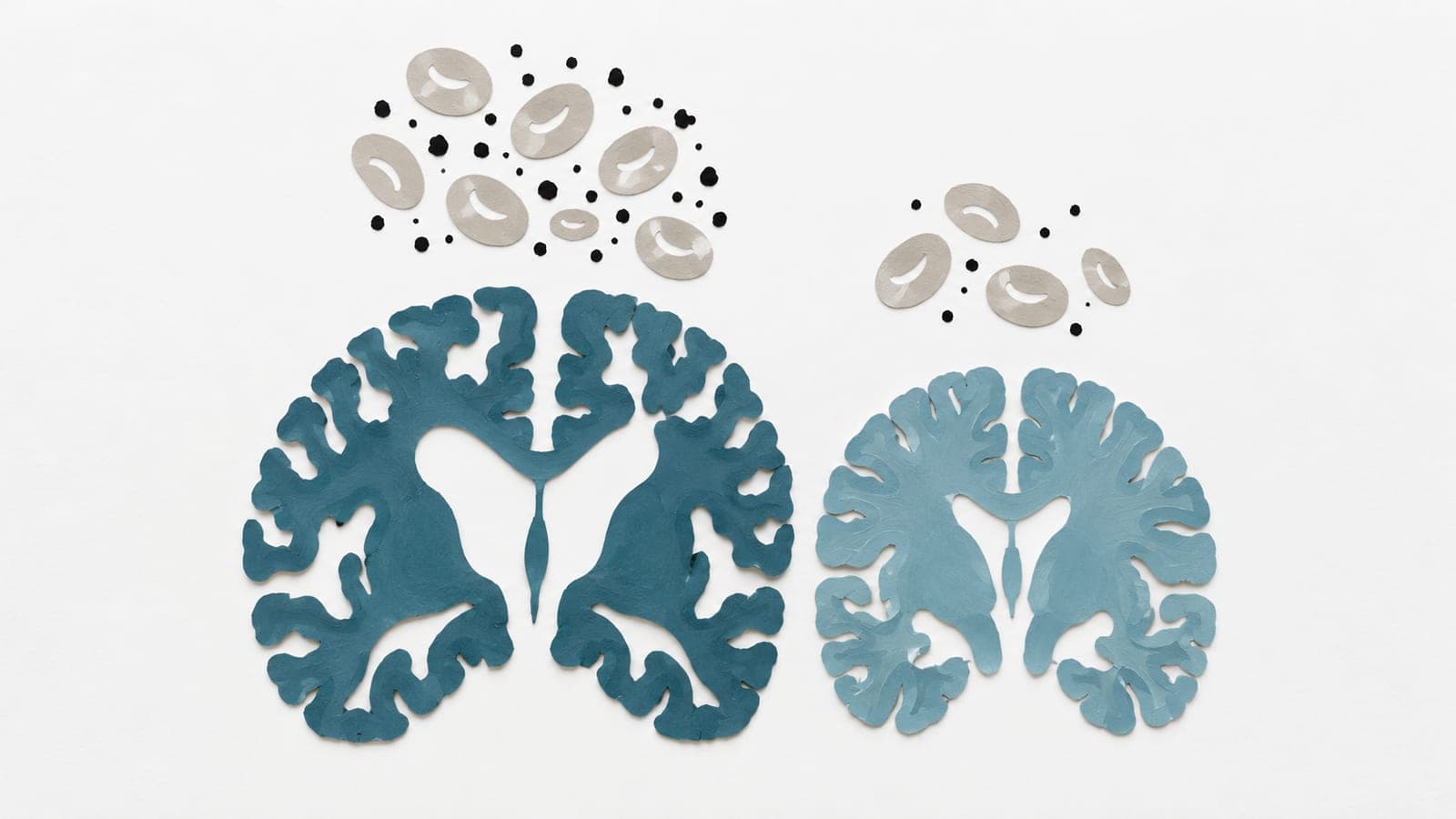
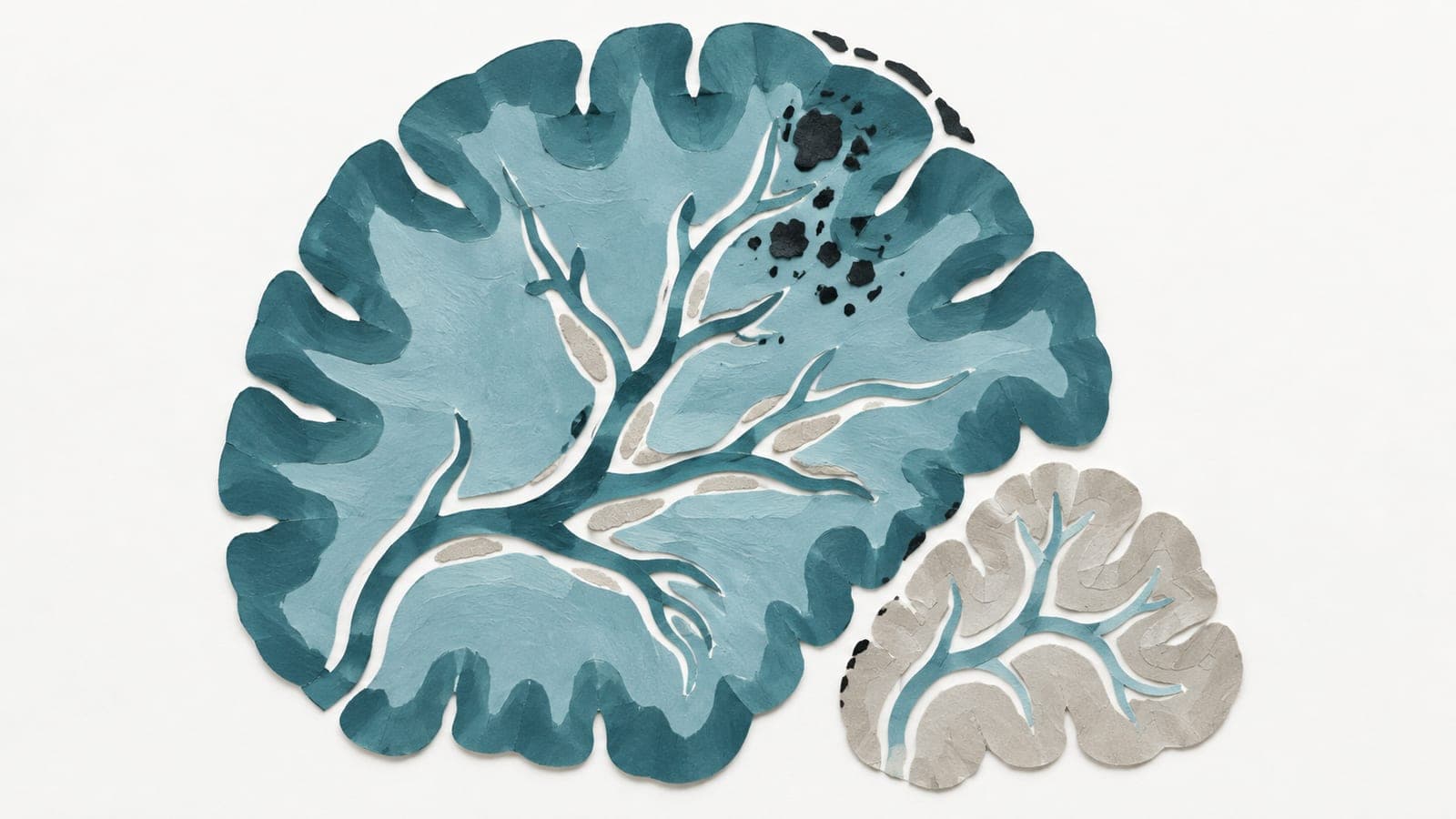
Mild brain amyloid linked to later thinking problems
People with mild amyloid levels were 43% more likely to develop cognitive impairment than those with the lowest levels, around 10 years after scanning.
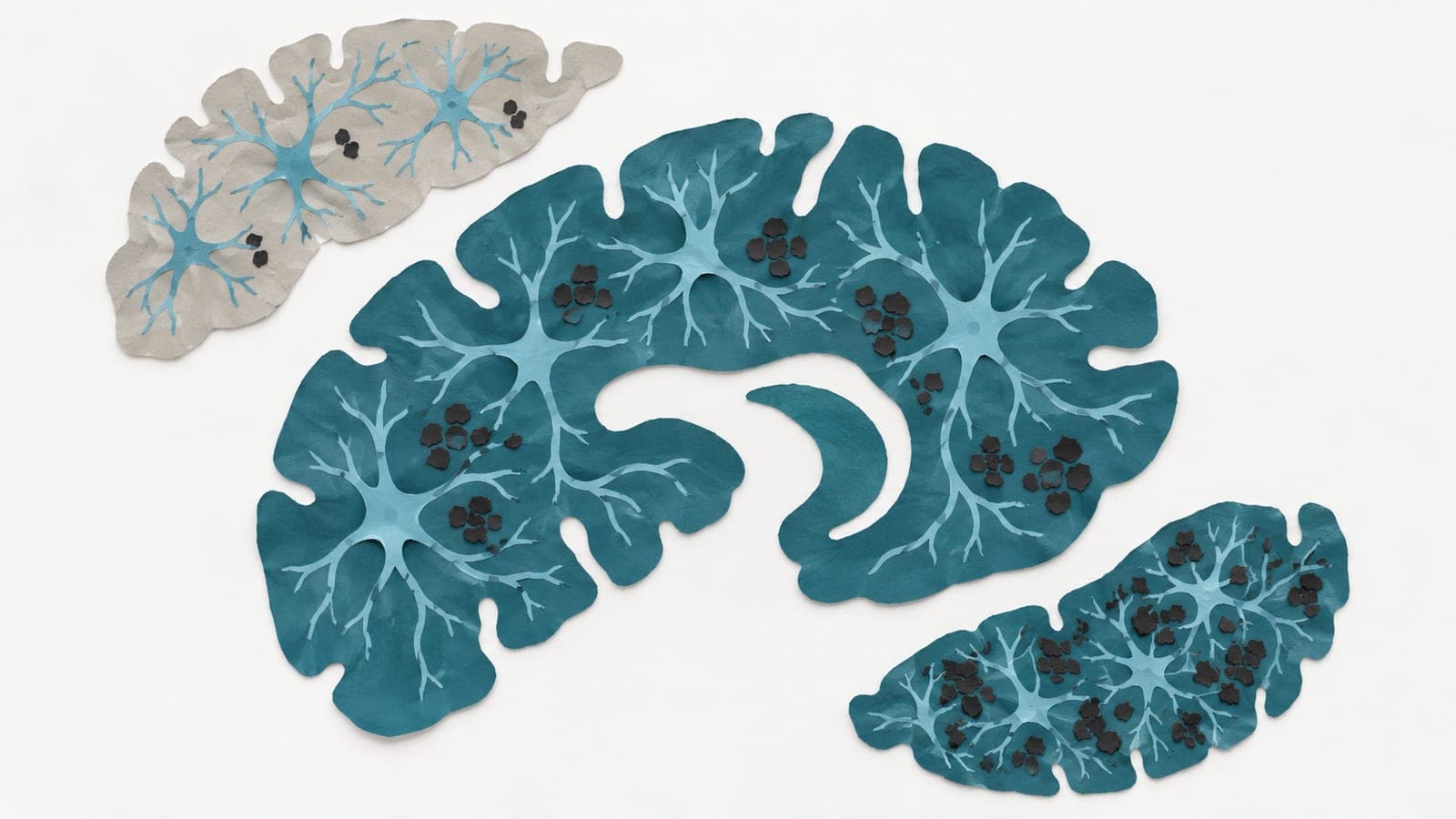
An observational study followed 1,896 people without cognitive impairment for up to 20.3 years after brain imaging. The scans measured amyloid, a protein that can form deposits in the brain. Participants also underwent repeated clinical and cognitive assessments.
About 48.7% of participants classified as amyloid-negative had mild amyloid levels. This group had a higher long-term risk of cognitive impairment than those with the lowest levels. The two groups’ patterns of cognitive decline began to separate only around 10 years after the initial scans. Participants classified as amyloid-positive showed the fastest cognitive decline and amyloid accumulation, followed by the mild group and then the lowest group.
Why it matters
Identifying people at risk of cognitive impairment matters for prevention research in aging. The findings suggest that the current threshold for amyloid positivity may exclude some higher-risk people from prevention trials.
Caveats
This observational study could not establish that mild amyloid caused cognitive decline. Participants had no cognitive impairment at the start, so the findings do not address people already affected.
The paper
Washington University School of Medicine in St. Louis
Annals of Neurology, 14 Oct 2026