Azilsartan reduced hormone-induced muscle wasting in mice
Experiments in mice found that azilsartan reduced muscle fibre loss and declines in grip strength and exercise capacity when a hormone induced muscle wasting.
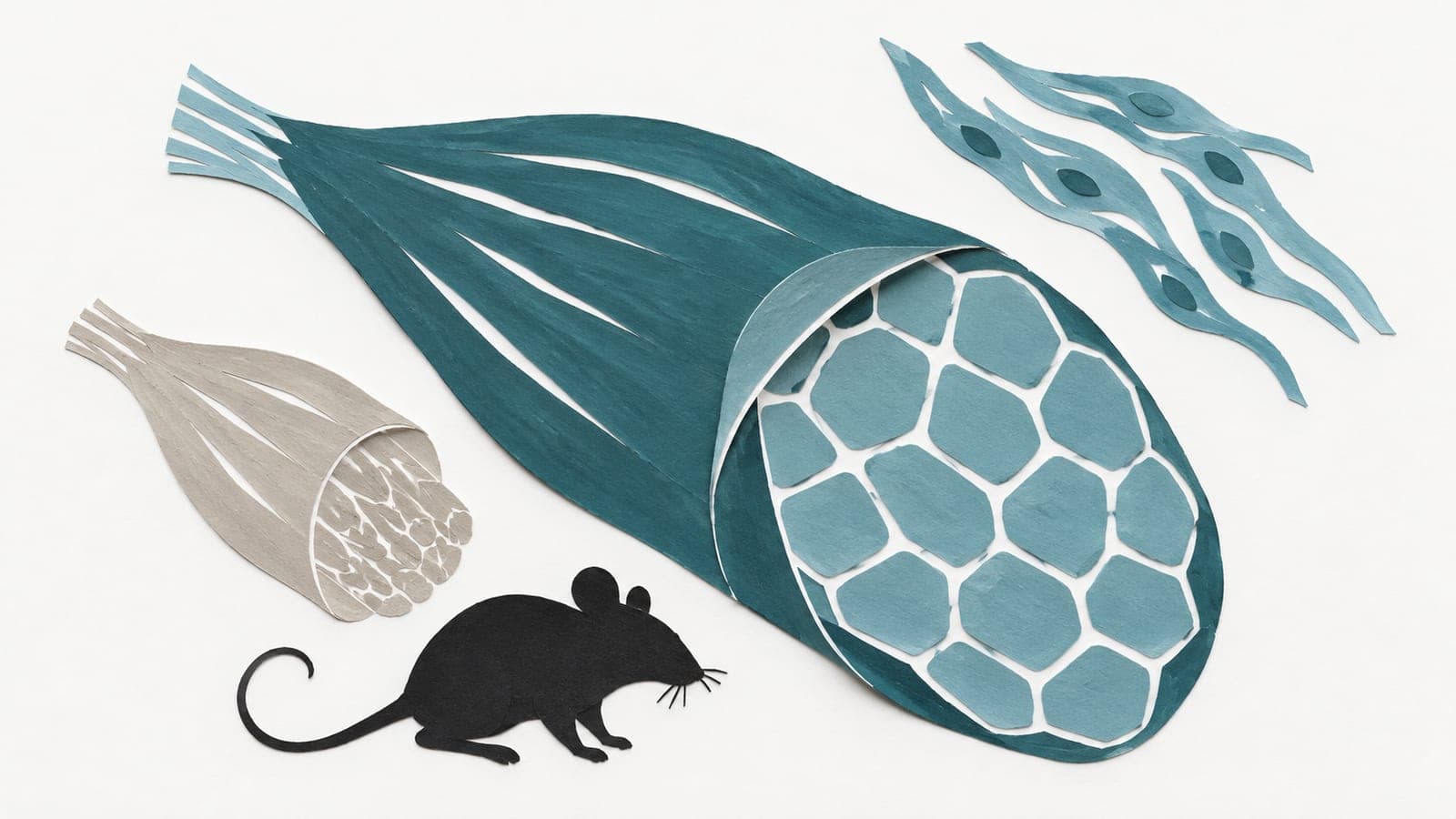
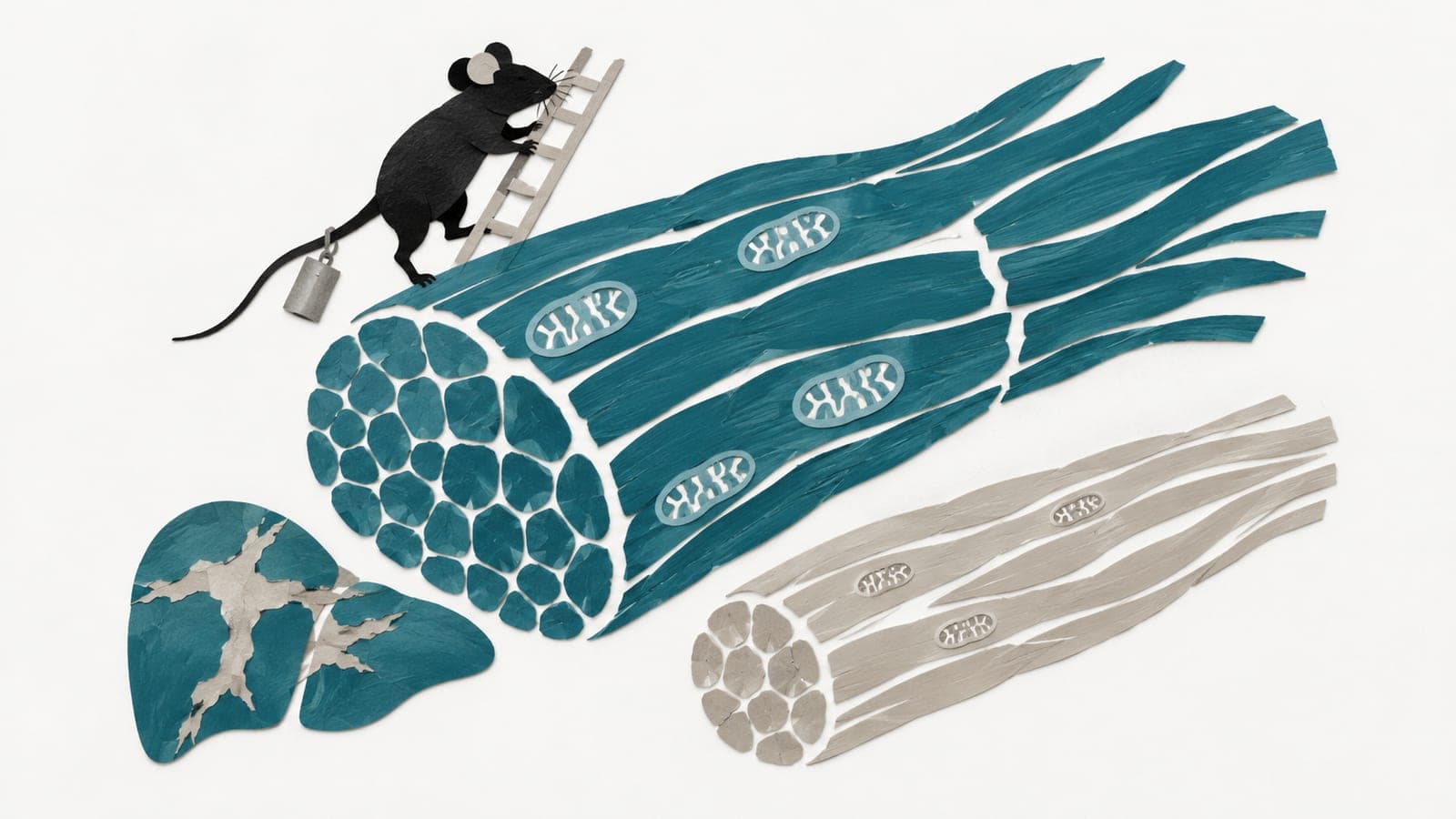
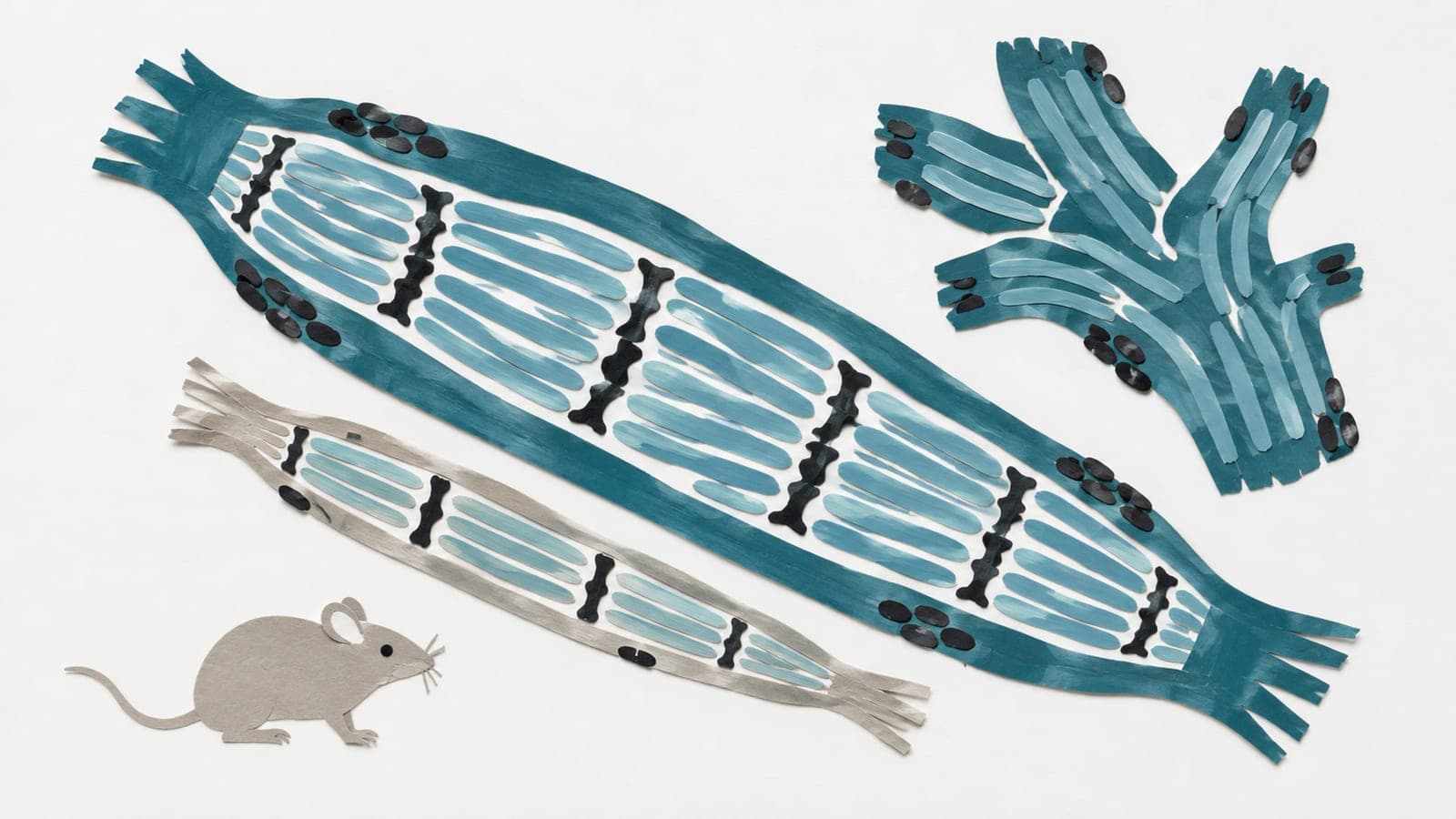
Researchers tested azilsartan in mice and C2C12 myotubes, muscle cells grown in the lab, in experiments using the hormone angiotensin II to induce muscle wasting. In mice, azilsartan reduced declines in exercise capacity and grip strength, as well as muscle fibre loss. The experiments linked these effects to blocking a receptor for angiotensin II and suppressing muscle protein breakdown.
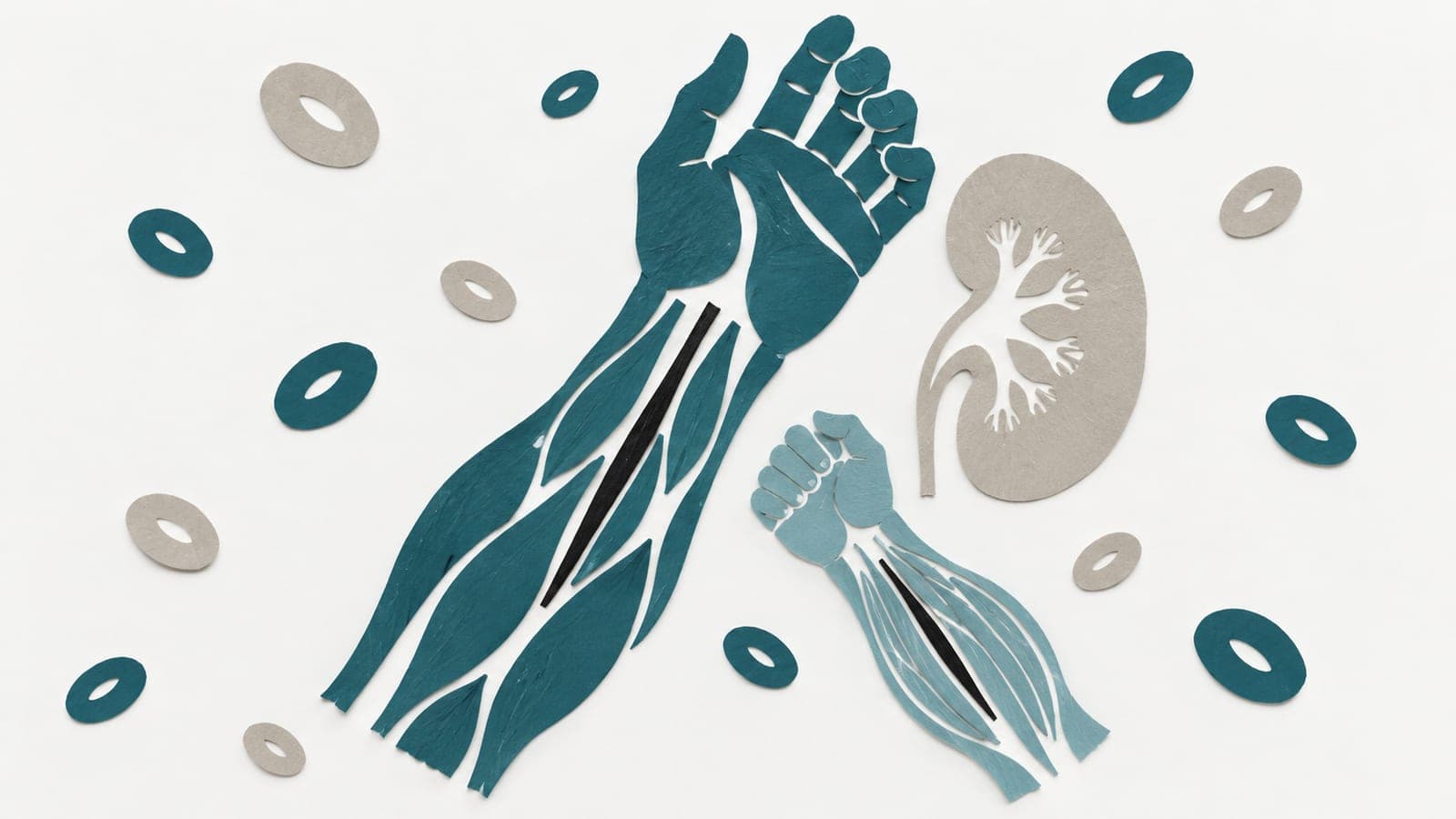
The team also conducted a six-month prospective observational study in older adults with hypertension, or high blood pressure, and sarcopenia, an age-related loss of muscle mass and function. Participants received azilsartan at 40 mg a day or other blood-pressure medicines. Azilsartan use was associated with improvements in handgrip strength, walking speed and muscle mass in the arms and legs.
Why it matters
Age-related muscle loss raises the question of how to preserve muscle health in older adults. These findings support investigating azilsartan as a potential option for older people with hypertension.
Caveats
The animal and cell experiments modelled hormone-induced muscle wasting, not sarcopenia in people. The human study was observational, so it cannot establish whether azilsartan caused the improvements.
The paper
Suzhou Municipal Hospital; Zhongda Hospital
Journal of Geriatric Cardiology, 28 Sep 2026