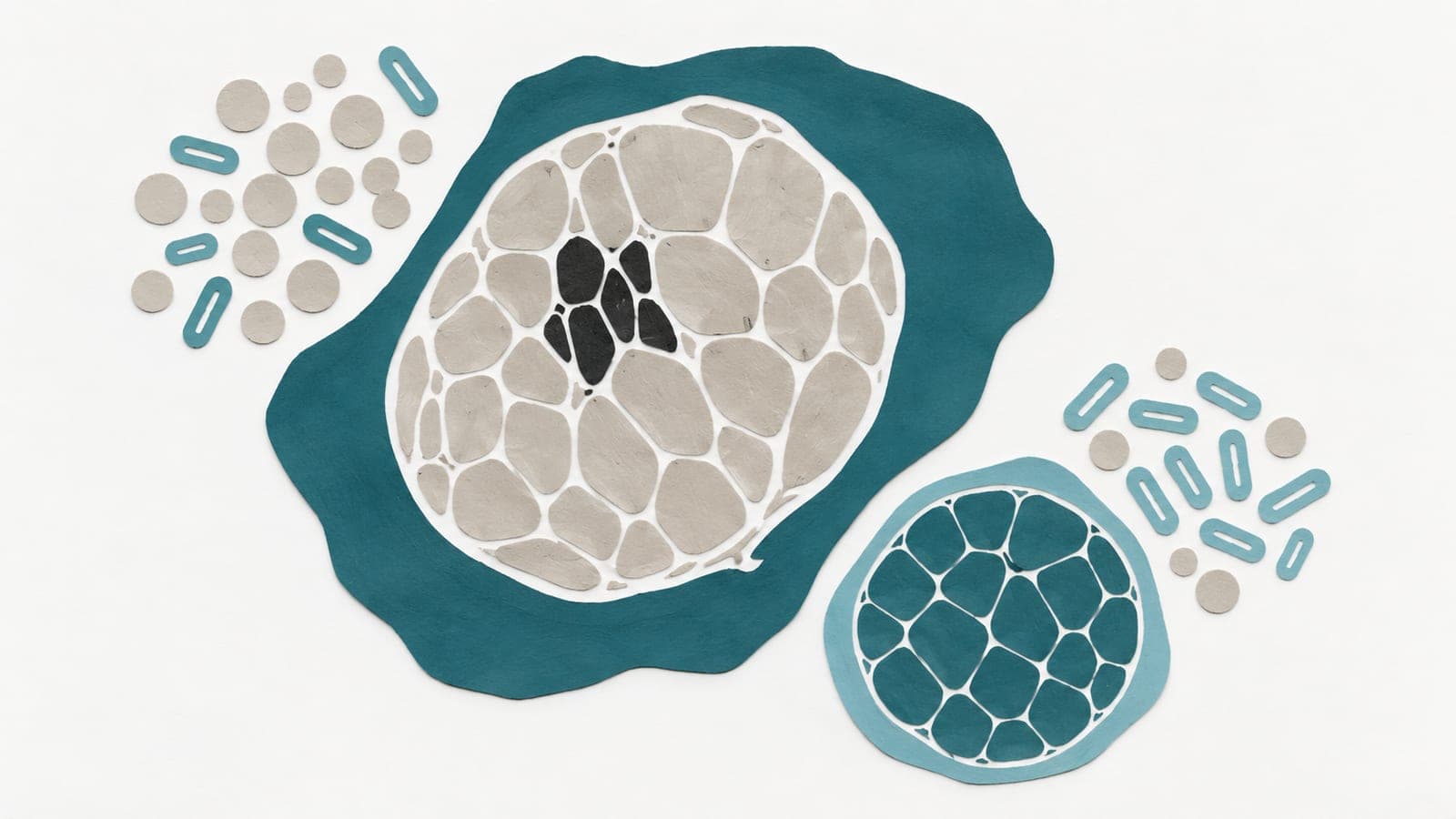
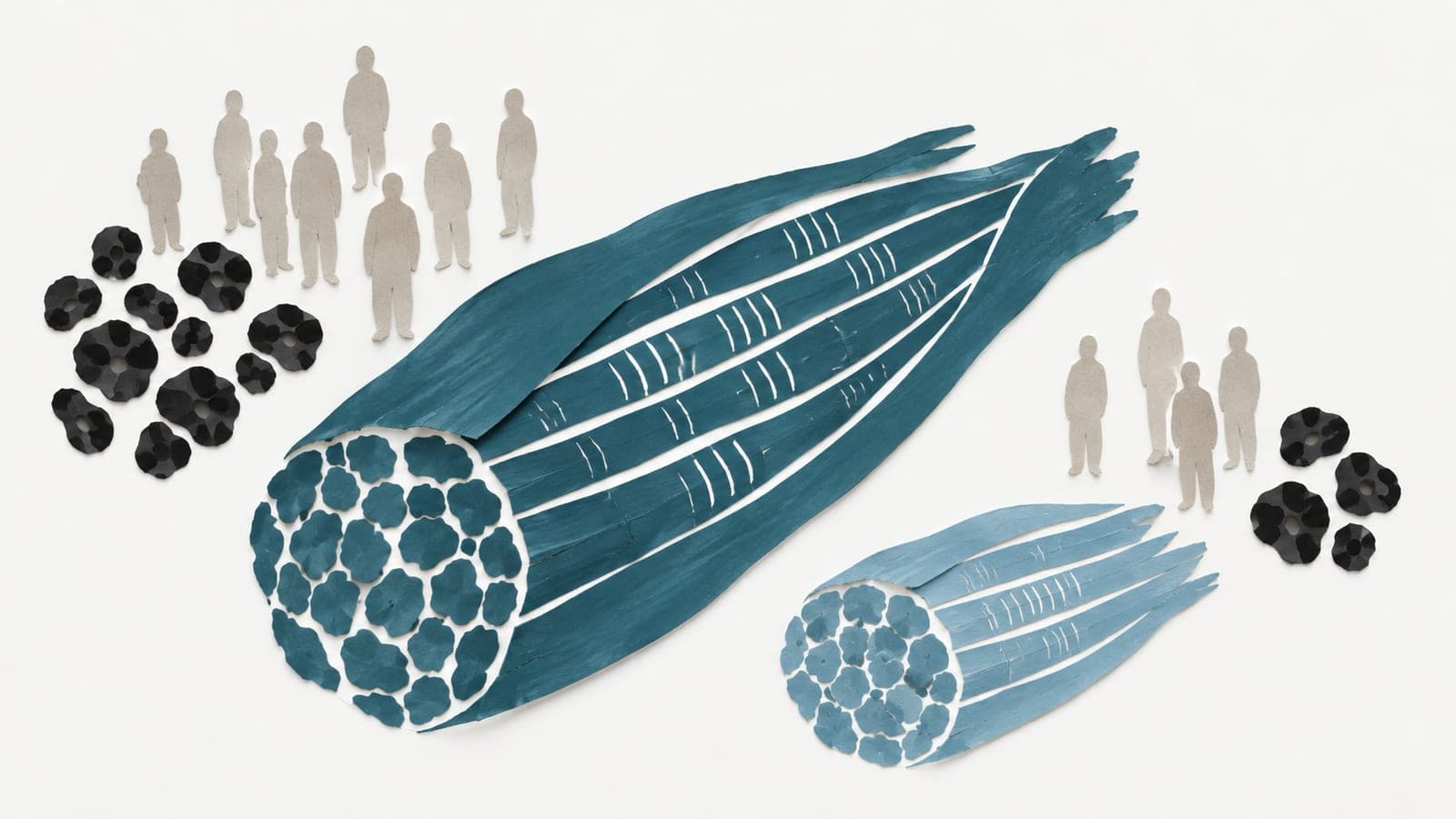
Dietary Live Microbe Intake and Sarcopenia in Shanghai
Abstract
OBJECTIVE: This study aimed to investigate the relationship between the dietary intake of live microbes and sarcopenia in adults living in Shanghai. METHODS: Data were collected from 1,236 participants aged 50 years or more from the Shanghai Diet and Health Surveillance (SDHS). Dietary data were assessed using a standardized questionnaire. The participants were categorized into the low-, medium-, and high-dietary live microbial groups. Sarcopenia was defined according to the European Working Group on Sarcopenia in Older People (EWGSOP2019). RESULTS: Yogurt and traditional Chinese fermented foods (pickled mustard and fermented tofu) were the primary dietary sources of live microbes in this cohort. Overall, participants without sarcopenia consumed foods with higher levels of live microbes than people with sarcopenia ( P < 0.001). Following stepwise adjustment for confounders, we found that individuals consuming a higher abundance of live dietary microbes were less likely to develop sarcopenia than individuals consuming a lower abundance of live dietary microbes. In the crude model, the odds ratio and 95% confidence interval for high live microbe intake were 0.46 (0.27, 0.76) ( P < 0.001) and the adjusted odds ratio (95% confidence interval) was 0.41 (0.22, 0.77) ( P = 0.007). Subgroup analyses identified no significant interaction effects for sex, age, diabetes, fatty liver disease, or overweight/obesity ( P > 0.05). CONCLUSION: A high dietary intake of live microbes may be associated with a lower risk of sarcopenia in the Chinese population.
The paper
Southeast University
Biomedical and Environmental Sciences, 20 Sep 2026