Higher blood manganese is linked to cognitive impairment
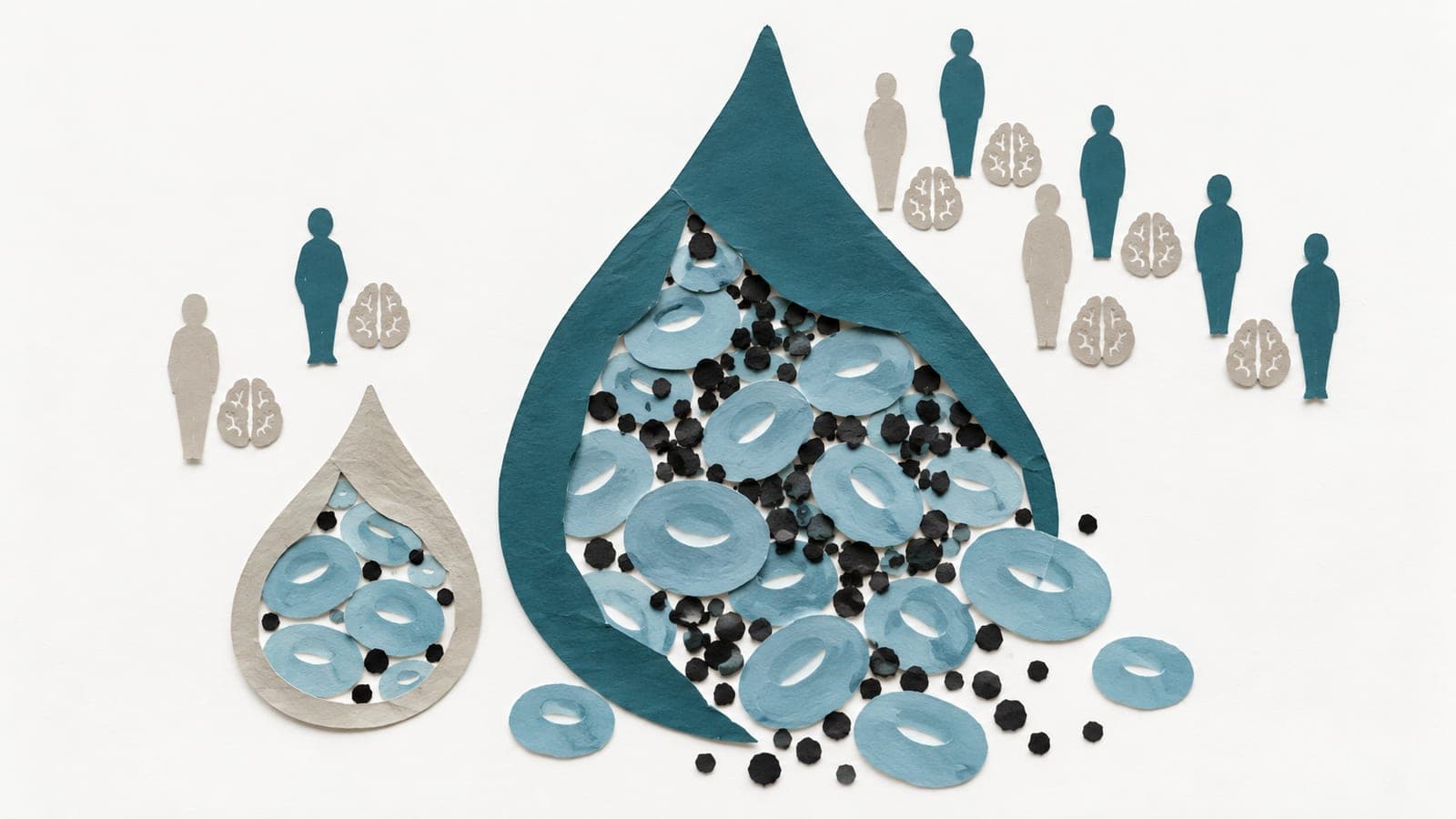
Older adults in the highest quarter of blood manganese levels had a 28.5% greater risk of cognitive impairment than those in the lowest quarter.
Dose-response
A prospective cohort study followed 6,868 Chinese adults aged 60 and older from two cohort studies between 2017 and 2024. Researchers measured blood manganese concentrations using mass spectrometry and assessed mental function with the Mini-Mental State Examination, a standard cognitive test. During an average follow-up of 4.00 years, 1,138 participants developed cognitive impairment.
After adjusting for other variables, higher blood manganese was linked to steeper cognitive decline, with the strongest associations seen in naming and recall. Participants in the highest quarter of blood manganese levels had a 28.5% greater risk of cognitive impairment than those in the lowest quarter. Each interquartile-range increase in blood manganese was associated with a 13.1% higher risk. Statistical modelling confirmed a positive and linear dose-response pattern.
Why it matters
Cognitive impairment is a major burden on healthy aging. The findings suggest that reducing manganese exposure could serve as a modifiable target to protect brain health in older adults.
Caveats
The observational design cannot establish cause and effect, and cognitive function was evaluated with a screening questionnaire rather than a clinical diagnosis. The study included only Chinese adults aged 60 and older, so the results may not apply to younger people or other populations.
The paper
China CDC Key Laboratory of Environment and Population Health
Biomedical and Environmental Sciences, 20 Sep 2026