Calculation difficulties mark a subgroup of older Chinese adults
Among 7,159 older Chinese adults, 24.6% had marked calculation difficulties with relatively preserved memory, while 55.0% were classified as cognitively intact.
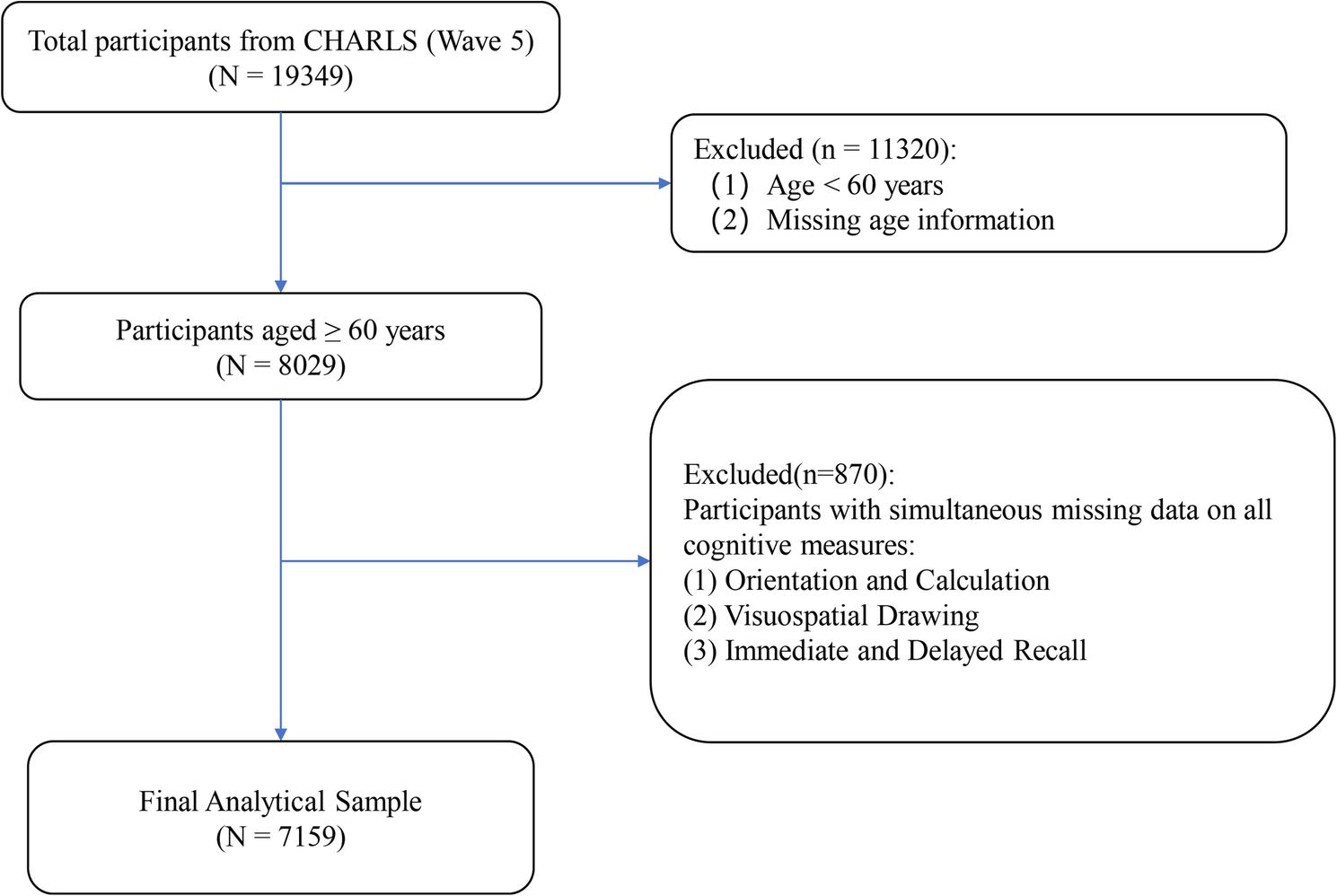
In an observational study, researchers analysed 7,159 older participants from the China Health and Retirement Longitudinal Study. They used statistical grouping to identify patterns in scores for awareness of time and place, calculation and memory. They also built computer models to identify the groups and examine associated social and health factors.
A subgroup accounting for 24.6% of participants had severe calculation difficulties, while memory for events was relatively preserved. Education level and internet use were the main predictors of this pattern in the model. They carried more weight than health conditions such as high blood pressure and diabetes. The authors suggested that routine screening focused on memory could miss this subgroup.
Why it matters
For cognitive health in later life, the study raises the question of whether prevention should address educational and digital disadvantage alongside medical conditions.
Caveats
These observational analyses identified patterns and predictors, not causes. They did not test whether increasing internet access would prevent cognitive decline.
The paper
Zhejiang Chinese Medical University
BMC Geriatrics, 3 Aug 2026

