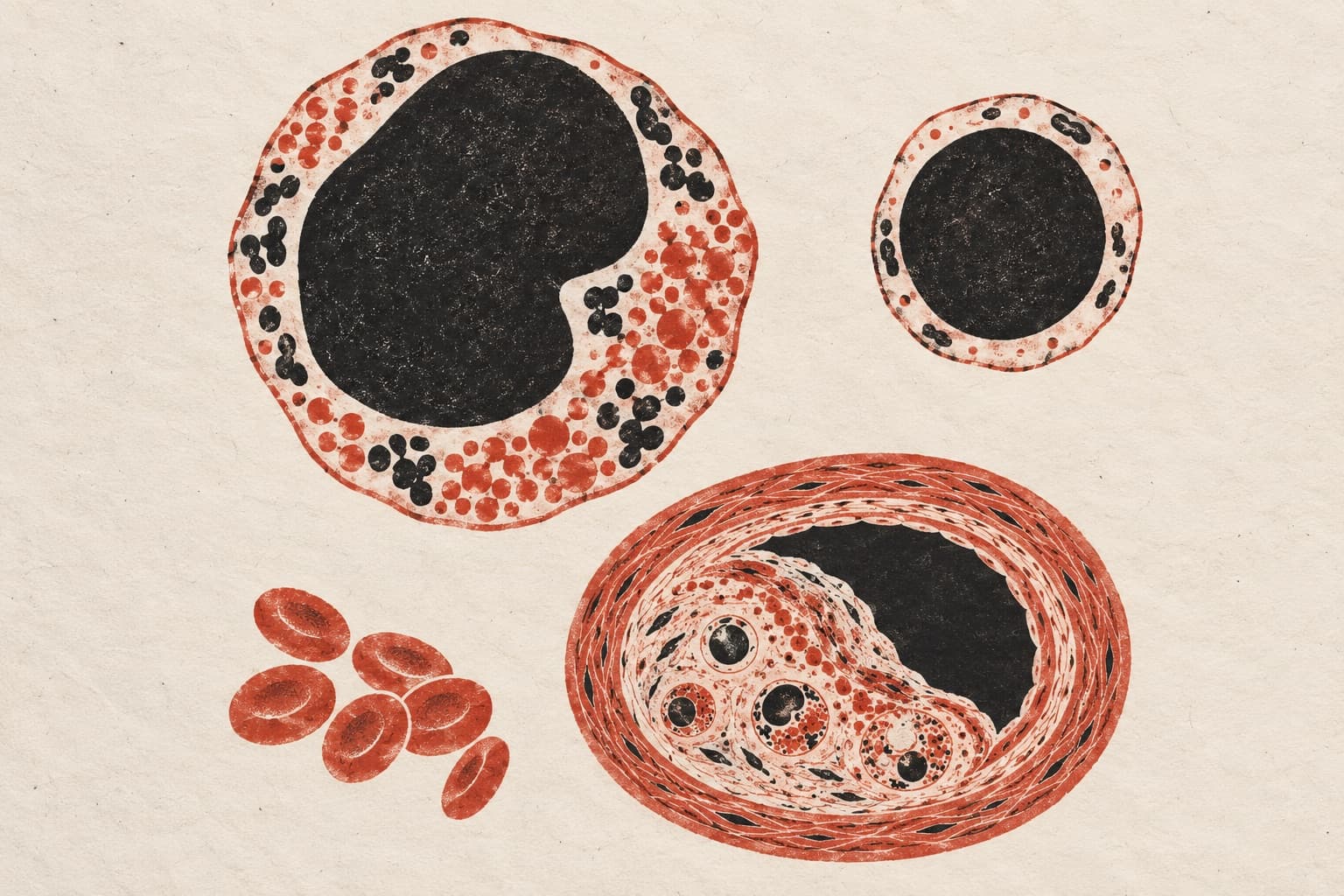
Lipoprotein(a) linked to early disease in heart arteries
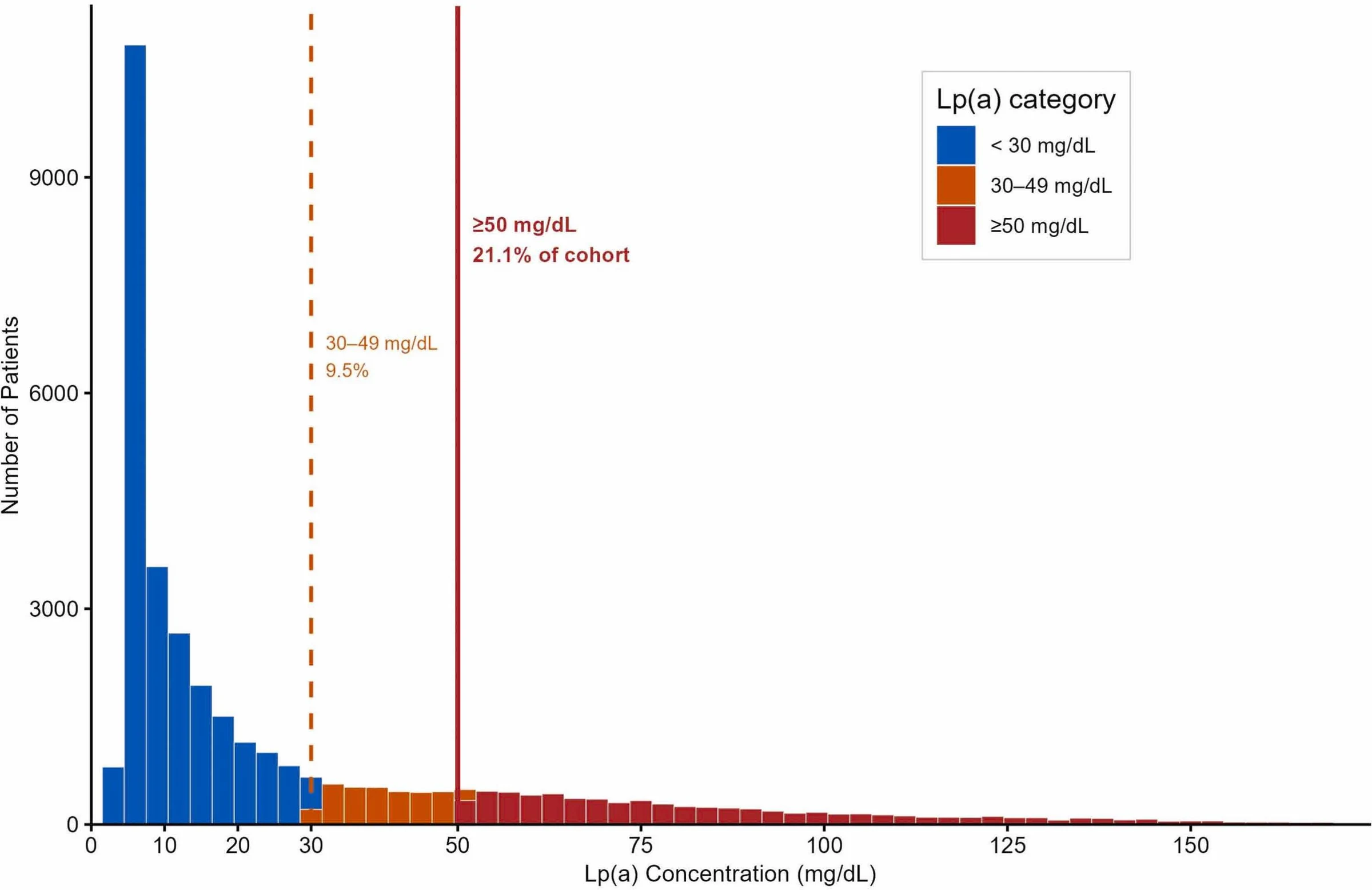
Levels of at least 50 mg/dL, compared with lower levels, were linked to early heart artery disease with an adjusted hazard ratio of 1.40.
Dose-response, multicentre
Researchers analysed records of 35,622 adults without previous coronary artery disease, which affects arteries supplying the heart, in a retrospective observational cohort study. Men were aged 18–50 and women 18–60; 55.9% were female, and the median age was 46. All had undergone testing for lipoprotein(a), a cholesterol-carrying blood particle, at three Mayo Clinic sites.
Over a median of 6.0 years, 459 people (1.3%) developed premature coronary artery disease. Lipoprotein(a) levels of at least 50 mg/dL were linked to an adjusted hazard ratio of 1.40, a measure of relative risk over time. Among 10,949 people with low-density lipoprotein, or “bad”, cholesterol below 100 mg/dL, elevated lipoprotein(a) was linked to a 67% higher adjusted risk. There was no evidence that low “bad” cholesterol strengthened the association. The analysis accounted for other blood fats and standard risk factors.
Why it matters
For young and middle-aged adults, the study bears on how to assess heart disease risk before older age. The authors supported earlier lipoprotein(a) testing to refine individual risk estimates.
Caveats
This retrospective observational study could not establish cause and effect or test whether lowering lipoprotein(a) prevents disease. Its findings do not necessarily apply to people outside the studied age ranges, those with previous coronary artery disease or those not selected for lipoprotein(a) testing.
The paper
Mayo Clinic
Journal of Clinical Lipidology, 25 Sep 2026