Pharmacological protection from a sugar-rich diet through inhibition of Ras/MAPK signaling
Abstract
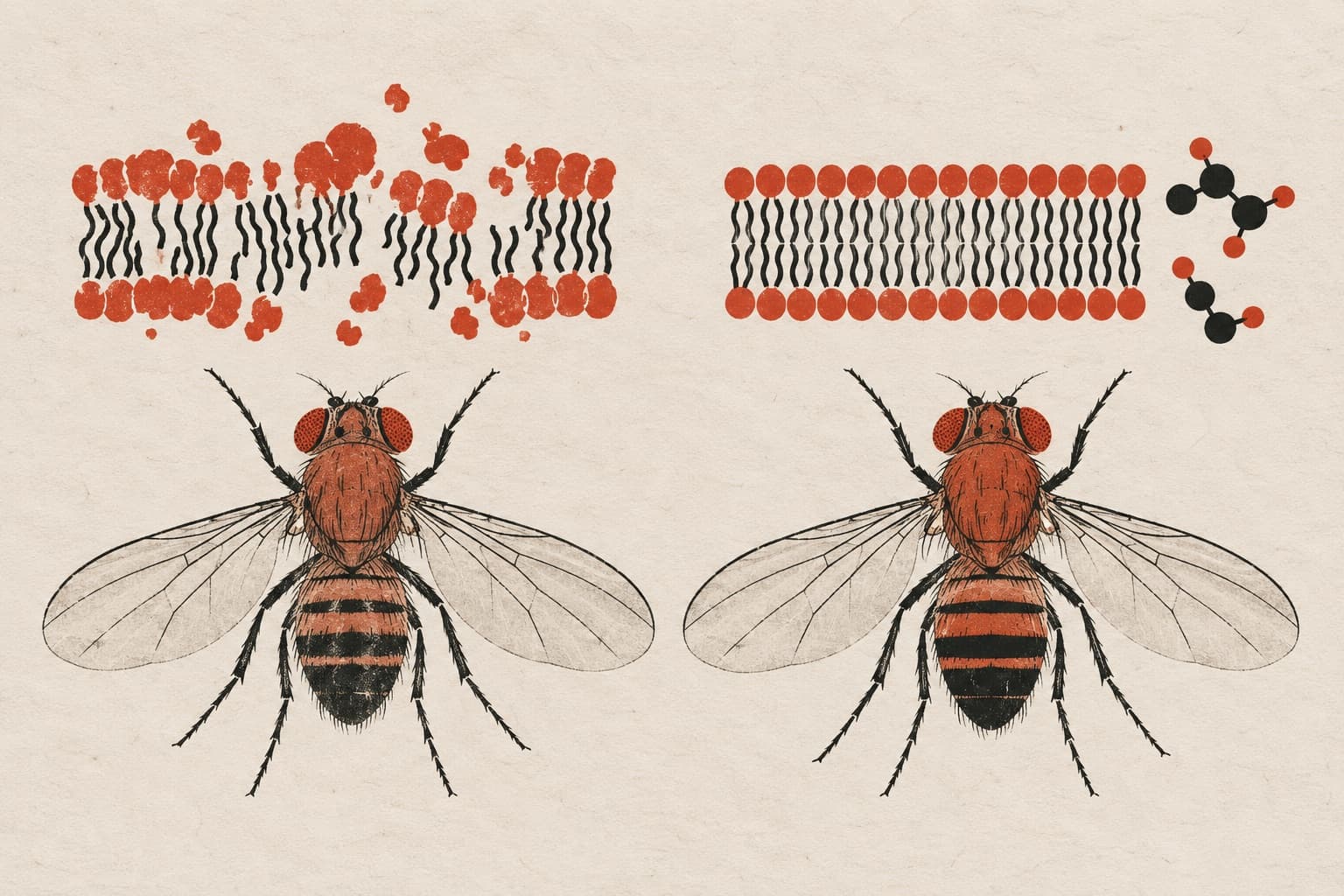
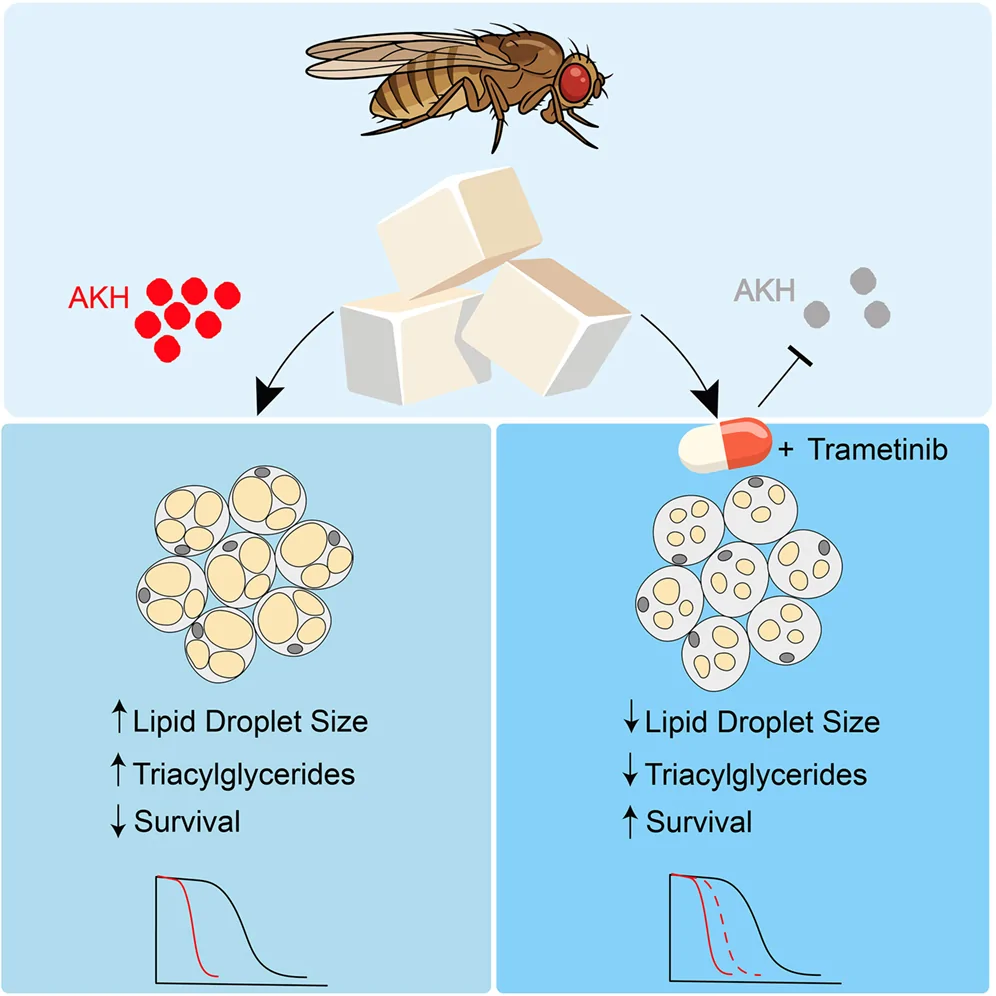
Consumption of sugar-rich diets adversely affects health and reduces life expectancy through the excessive production and storage of triacylglycerides (TAGs), leading to metabolic dysfunction. Here, we show that in Drosophila, pharmacological inhibition of Ras/mitogen-activated protein kinase (MAPK) signaling using the highly specific MEK inhibitor, trametinib, mitigates several of the detrimental effects of a high-sugar diet by reducing TAG accumulation, restoring TAG composition, and increasing survival. Notably, Ras/MAPK activity is required for the transcriptional response to elevated sugar intake, including expression of the glucagon-like hormone, Akh. We further demonstrate that adipokinetic hormone (AKH) is essential for the protective effects of trametinib under high-sugar conditions. Together, our findings support Ras/MAPK signaling as an important link between dietary sugar and metabolic dysfunction and show that its pharmacological inhibition can uncouple excess sugar intake from adverse metabolic outcomes.