The efficacy of interventions to prevent type 2 diabetes among women with recent gestational diabetes mellitus-First update of a living systematic review and meta-analysis
Preregistered CRD4202127989
Abstract
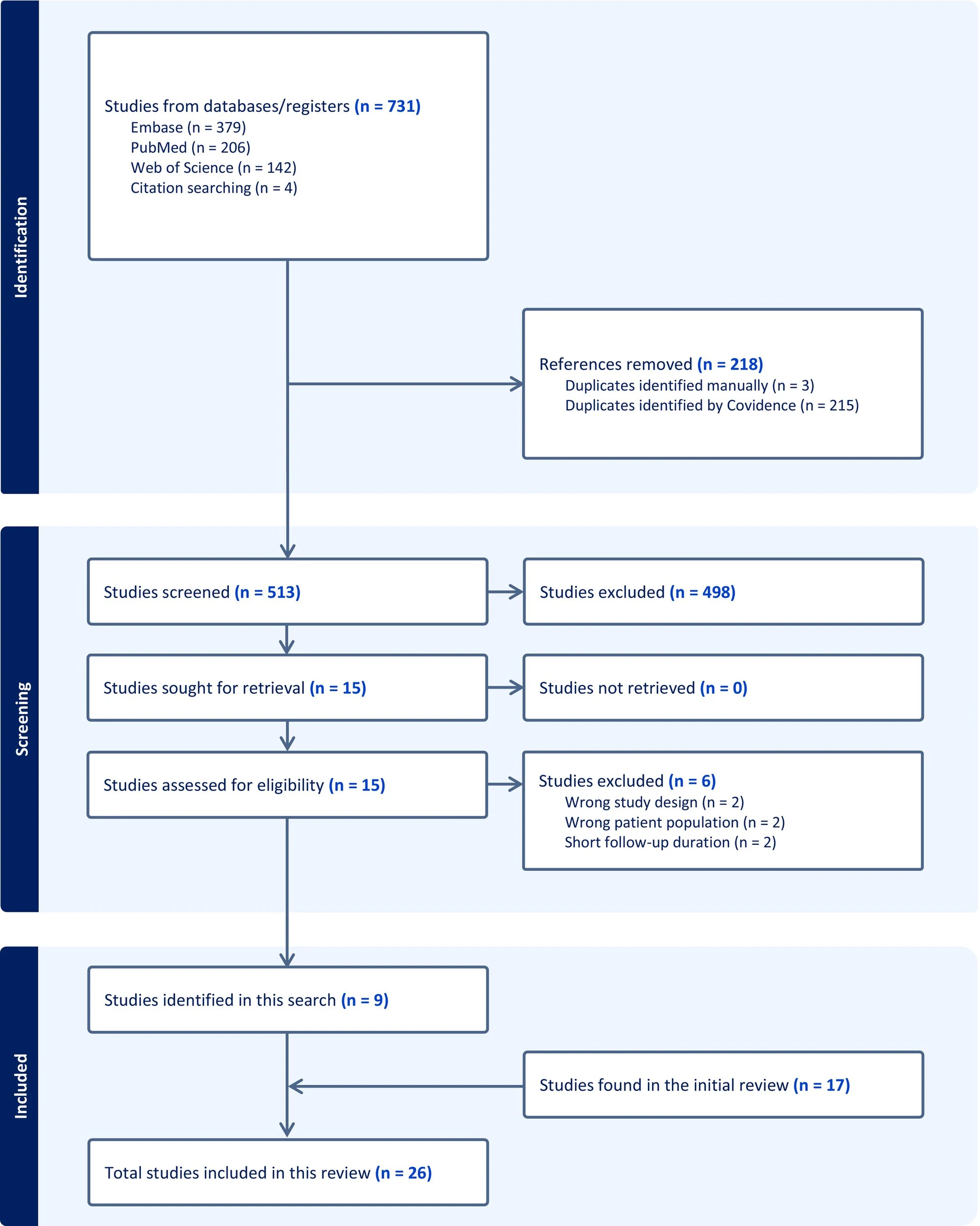
INTRODUCTION: The increased risk of developing type 2 diabetes mellitus (T2DM) in the decade following childbirth among women with gestational diabetes mellitus (GDM) warrants early intervention. A prespecified update of a systematic review and meta-analyses published in 2024 was performed, examining the efficacy of interventions to prevent T2DM among women within 5 years of a GDM-affected pregnancy. METHODS: An updated search on PubMed, EMBASE and Web of Science (PROSPERO: CRD4202127989) was conducted on 14 November 2024. The primary outcome was T2DM diagnosis or measures of dysglycaemia with at least 12 months follow-up in women within 5 years of a GDM-complicated pregnancy. A Bayesian approach was adopted with results reported as effect sizes with 95% credible intervals (95% Crl), and posterior probabilities of intervention effectiveness. RESULTS: Nine new publications were identified in this updated search, resulting in a total of 26 publications from 25 studies (n = 7379) included. Of those, four studies involved a pharmacological intervention and 21 evaluated lifestyle interventions. There was a 15% (95% CrI: 0.69-1.04) and 32% (95% CrI: 0.40-1.07) reduction in risk and hazard ratio for T2DM, respectively, with high posterior probabilities (95.0% and 96.0%, respectively). Reductions were observed for other secondary metabolic outcomes (fasting plasma glucose, body mass index, HOMA-IR and total cholesterol). CONCLUSION: Compared to the original review, this update indicates greater certainty of the efficacy of preventive interventions for T2DM in women delivered during the first 5 years after a GDM-affected pregnancy. Evidence on the efficacy and safety of pharmacotherapy interventions is still limited.
From the paper
- Participants
Sample size of studies ranged between 43 and 1601, with a total of 7379 participants.
- Result
There was a 15% (95% CrI: 0.69–1.04) and 32% (95% CrI: 0.40–1.07) reduction in risk and hazard ratio for T2DM, respectively, with high posterior probabilities (95.0% and 96.0%, respectively).
- Limitation
Second, the number of pharmacological intervention studies was small, limiting conclusions regarding comparative effectiveness across intervention types.
Quoted word for word from the full text on onlinelibrary.wiley.com.