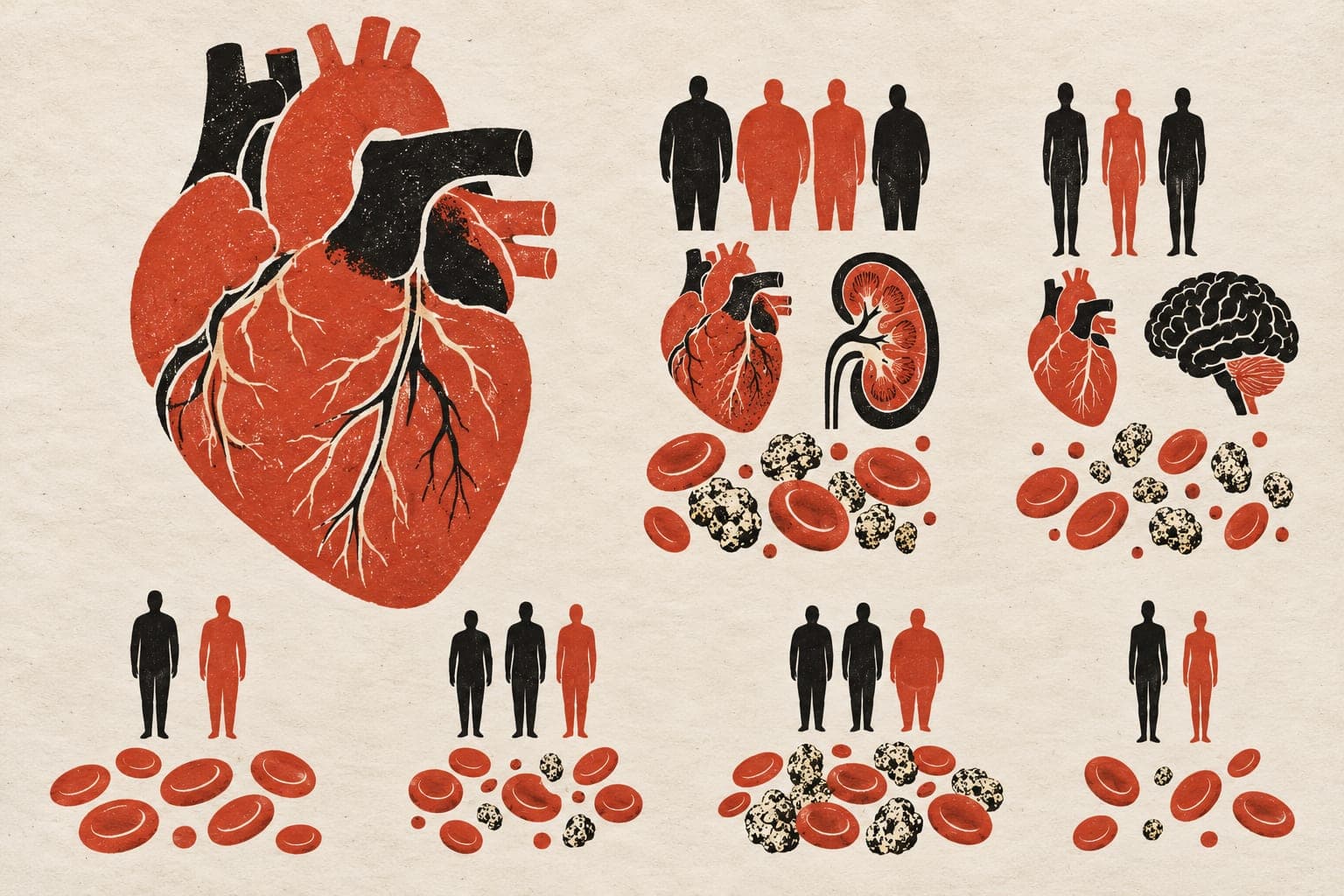
Model estimates pancreatic cancer risk in type 2 diabetes
At six months, the model’s ability to distinguish cancer cases from non-cases scored 0.88 in development, 0.89 in internal validation and 0.86 in external validation.
Gut
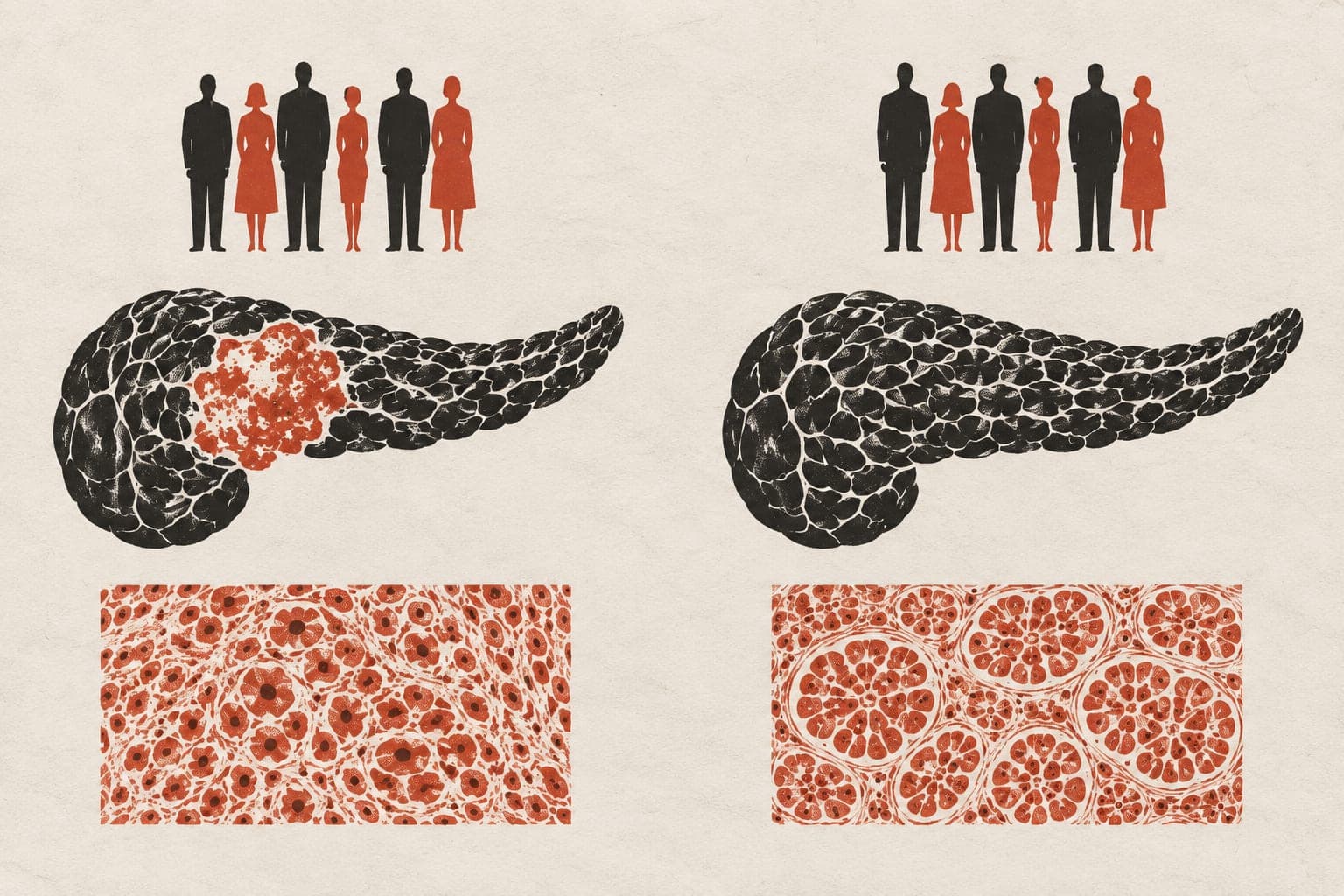
In two Chinese cohorts of 330,767 and 105,537 people with type 2 diabetes, researchers developed and validated a model to estimate pancreatic cancer risk. The retrospective observational cohort study used 11 routinely available pieces of clinical information to estimate risk at six, 12, 24 and 36 months. Researchers built and internally tested the model in the larger cohort, then tested it in the independent smaller cohort.
The model performed best at six months. Higher prediction scores meant better separation of people who developed cancer from those who did not. The highest-risk 5% accounted for 59.37% of new cancer cases in internal validation and 48.03% in external validation. The model performed well in both new-onset and long-standing diabetes.
Why it matters
For an age-related disease such as pancreatic cancer, deciding whom to screen is an important question. The authors proposed risk-based screening for people with type 2 diabetes, particularly those with long-standing disease.
Caveats
This retrospective observational study did not test whether model-guided screening improved outcomes. Both cohorts were Chinese, and the authors called for prospective validation and real-world implementation studies.
The paper
Show 15 more authors
Shan Gao, Jingdan Chang, Guowei Zong, Yaxu Zhuang, Adilan Abudukeranmu, Xinyan Jia, Yun Zhu, Yaqi Zhang, Zhiwei Rong, Yanxu Yang, Zelong Wu, Mingzhen Li, Xiuchao Wang, Tao Zhang, Zhenqiang Song,Tianjin Medical University · National Clinical Research Center for Cancer
Gut · 6 Oct 2026