Frailty and abdominal wall hernias: a Mendelian randomization and retrospective study
Abstract
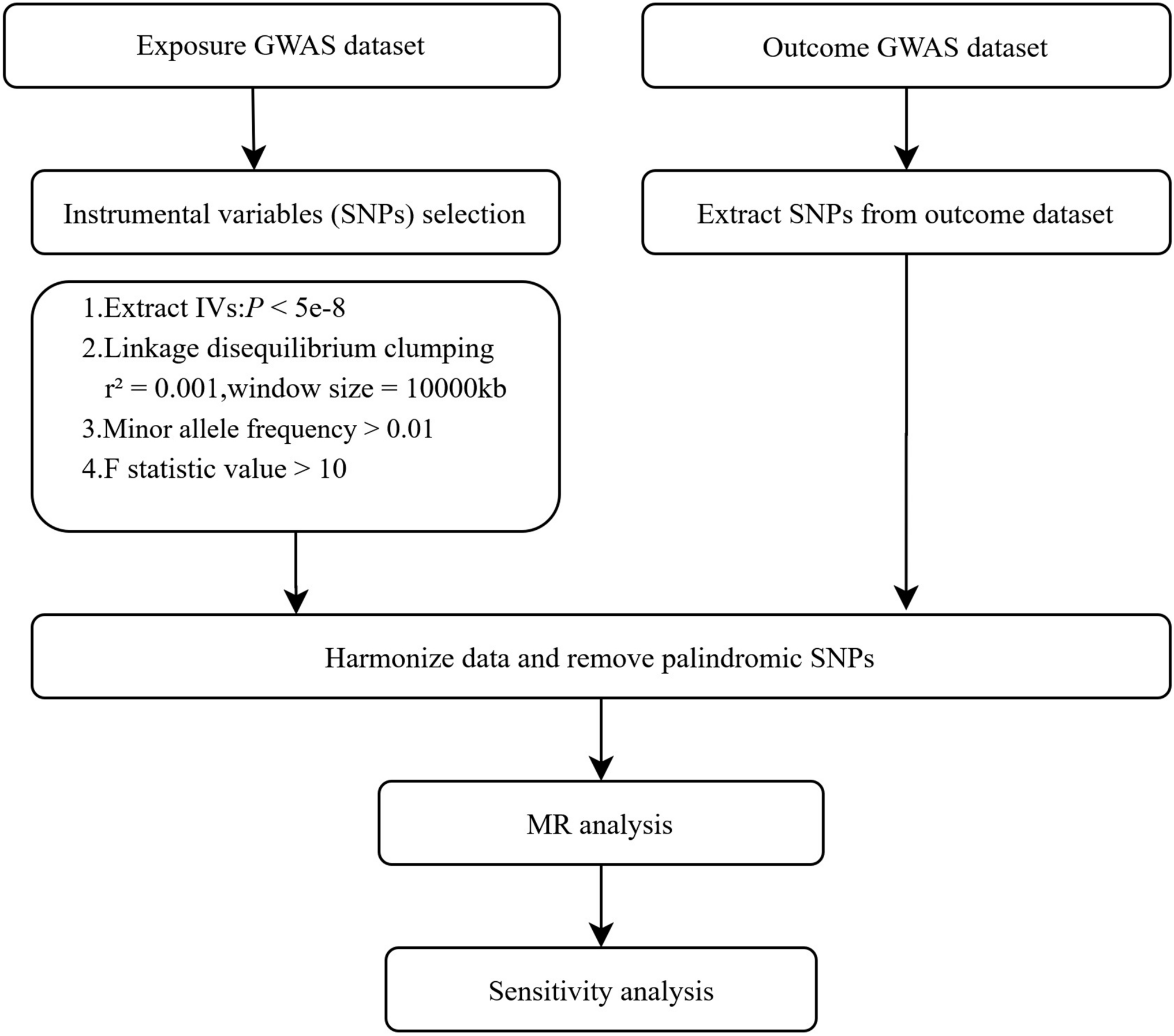
INTRODUCTION: Frailty, measured by frailty index (FI), involves a decline in the function of multiple physiological systems. It is known that the dysfunction of abdominal wall is related to the occurrence of abdominal wall hernias. In this research, we conducted a two-sample Mendelian randomization analysis to explore the causal relationship between frailty and abdominal wall hernias and did a retrospective study to evaluate the association between preoperative frailty and postoperative complications following hiatal hernia repair. METHODS: Summary data of FI, hiatal hernia, femoral hernia, inguinal hernia, and other unspecified abdominal hernias were extracted from genome-wide association study. The inverse variance weighted (IVW) method was used as the core approach to assess causal effects, and other sensitivity analyses were also carried out. We conducted a retrospective analysis on patients who underwent hiatal hernia repair. Demographic, operative, and follow-up data were collected. RESULTS: Genetically predicted higher FI was associated with an increased risk of hiatal hernia (OR 1.020, 95% CI 1.010-1.030, P < 0.001) and remained stable in sensitivity analyses. However, there was no evidence to suggest an association between FI and an increased risk of femoral hernia (P = 0.958), inguinal hernia (P = 0.874), or other unspecified abdominal hernias (P = 0.403). In the retrospective study, severe frailty was an independent risk factor for dysphagia (P < 0.001). However, no significant associations were found between frailty and hospital stay (P = 0.419), epigastric pain (P = 0.283), gas-bloat syndrome (P = 0.926), diarrhea (P = 0.083), recurrence (P = 0.618), or quality of life (P = 0.071). CONCLUSIONS: Frailty is associated with an increased risk of hiatal hernia but has no causal association with femoral hernia, inguinal hernia, or other unspecified abdominal hernias. Frail patients are more likely to have dysphagia following hiatal hernia repair.
The paper
Surgical Endoscopy, 12 Oct 2026