"Lipoprotein(a) across coronary plaque phenotypes from high-risk to layered plaque: An OCT analysis from the RELACS registry"
Abstract
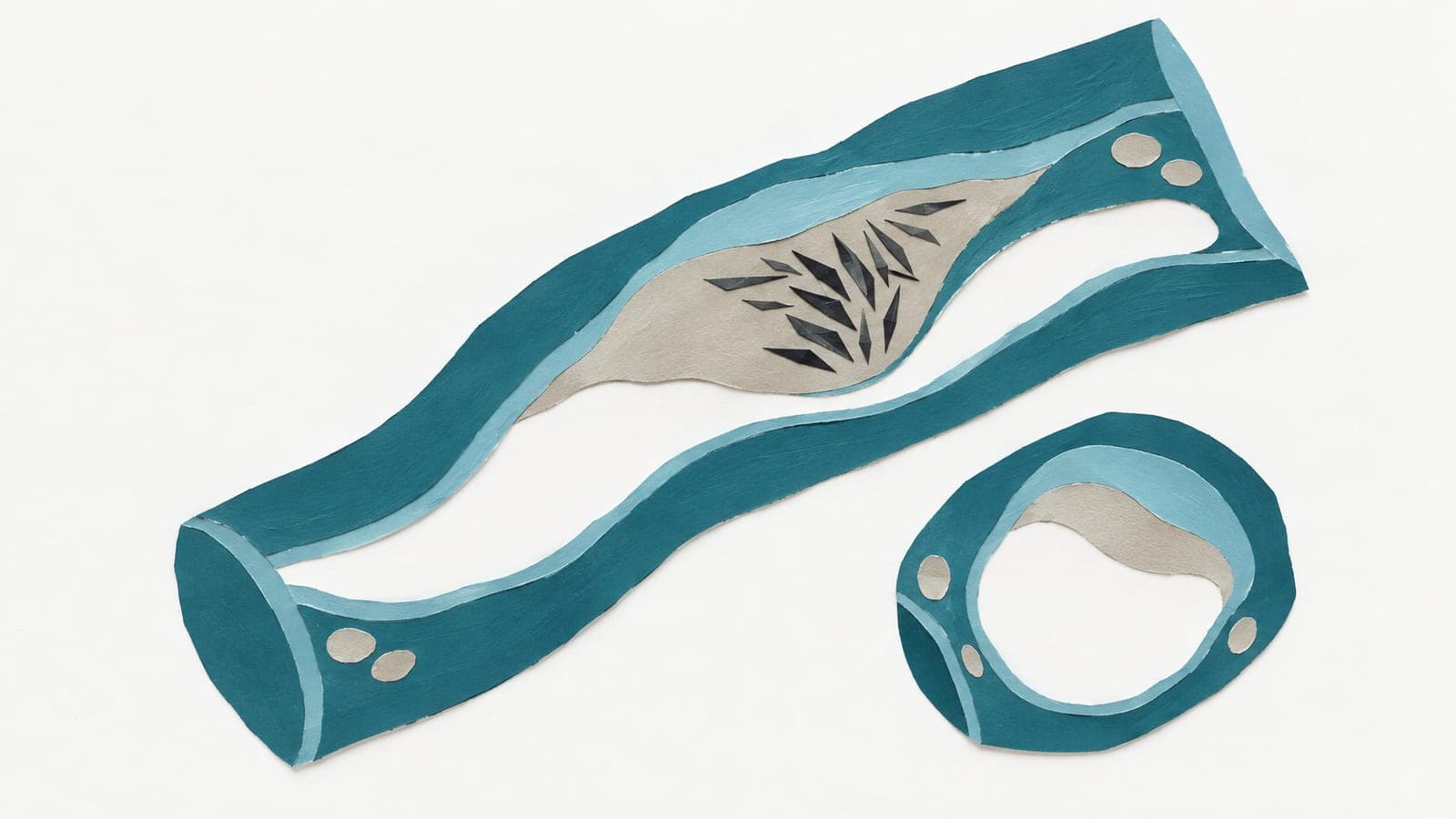
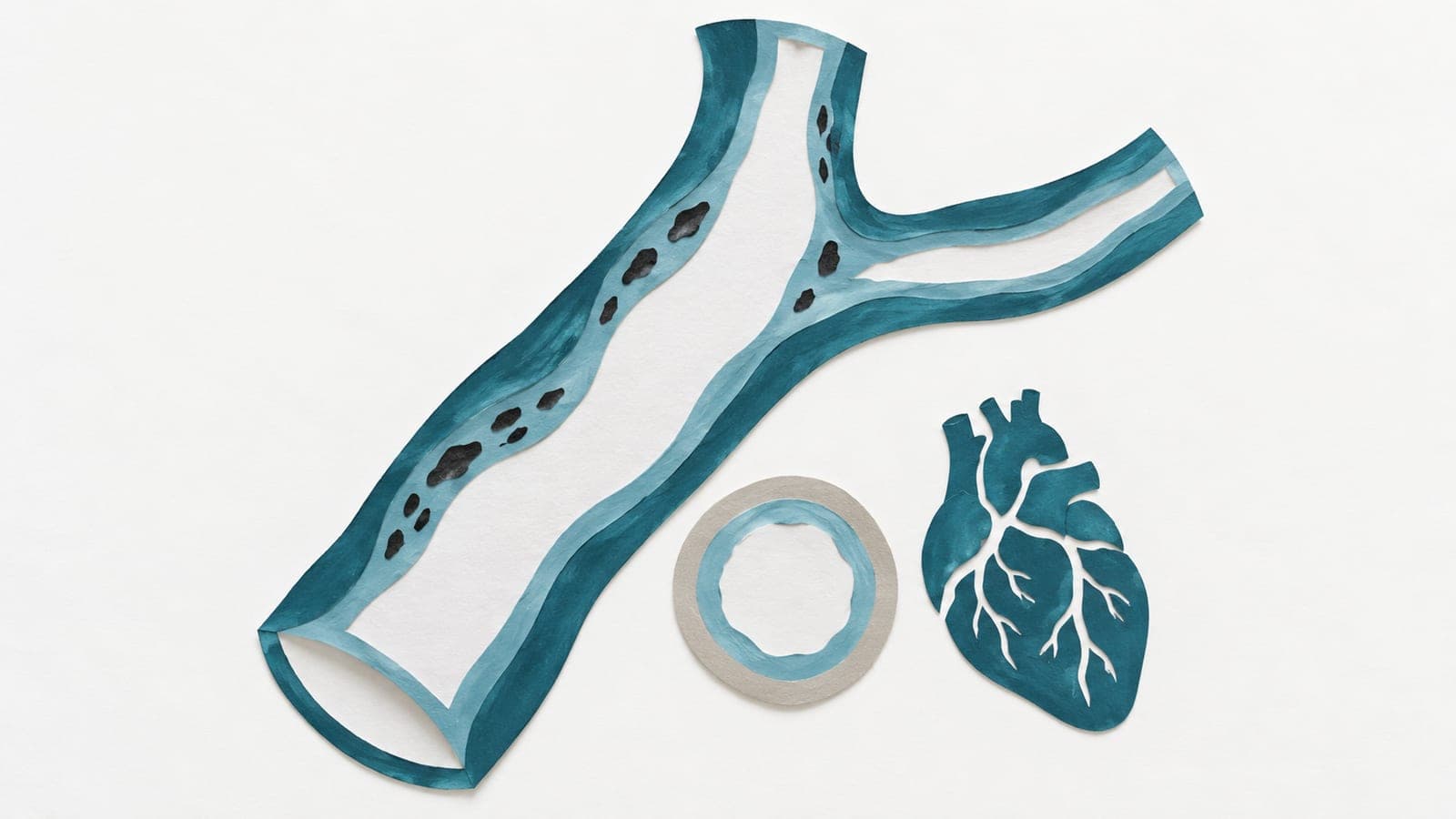
BACKGROUND: Lipoprotein(a) [Lp(a)] is a causal risk factor for coronary artery disease, but its relationship with coronary plaque morphology assessed by optical coherence tomography (OCT) remains incompletely characterized. OBJECTIVE: To investigate the association between circulating Lp(a) levels and OCT-defined coronary plaque phenotypes using a comprehensive segment-level approach. METHODS: In this prospective single-center study (RELACS registry; NCT05496790), consecutive patients undergoing intracoronary OCT with available Lp(a) measurements were included. Coronary vessels were divided into 3 mm segments and analyzed for plaque characteristics. Lp(a) was primarily modeled as a continuous variable to assess its association with OCT-defined plaque phenotypes, including high-risk, layered, and fibrous plaques. High-risk plaque was defined as the presence of ≥2 criteria between lipid-rich plaque, thin-cap fibroatheroma (TCFA), and macrophages. Mixed-effects logistic regression models were used to account for within-patient clustering. RESULTS: A total of 952 coronary segments from 50 patients were analyzed. Increasing Lp(a) levels were significantly associated with multiple features of plaque vulnerability, including TCFA, lipid-rich plaques, macrophages, and microchannels. In the multivariate mixed-effects analysis, higher Lp(a) levels were independently associated with a greater likelihood of high-risk plaque (odds ratios [OR] 1.31, 95% CI 1.16-1.48; P < .001) and layered plaques (OR 1.15, 95% CI 1.02-1.29; P = .024), whereas an inverse association was observed with fibrous plaques (OR 0.84, 95% CI 0.70-1.00; P = .047). CONCLUSION: Increasing Lp(a) levels were associated with OCT-defined coronary plaque phenotypes related to vulnerability and instability, including high-risk and layered plaques. Given the limited patient-level sample size, these findings should be considered exploratory and hypothesis-generating.
The paper
University of Campania "Luigi Vanvitelli"
Journal of Clinical Lipidology, 3 Sep 2026