Age linked to more diverse gut bacteria in bonobos
An observational study of 165 wild and zoo-housed bonobos aged 2 to 71 years found age-related patterns resembling those seen in humans.
Cross-sectional study, declared ties to: Freya Biosciences, International Scientific Association on Probiotics and Prebiotics
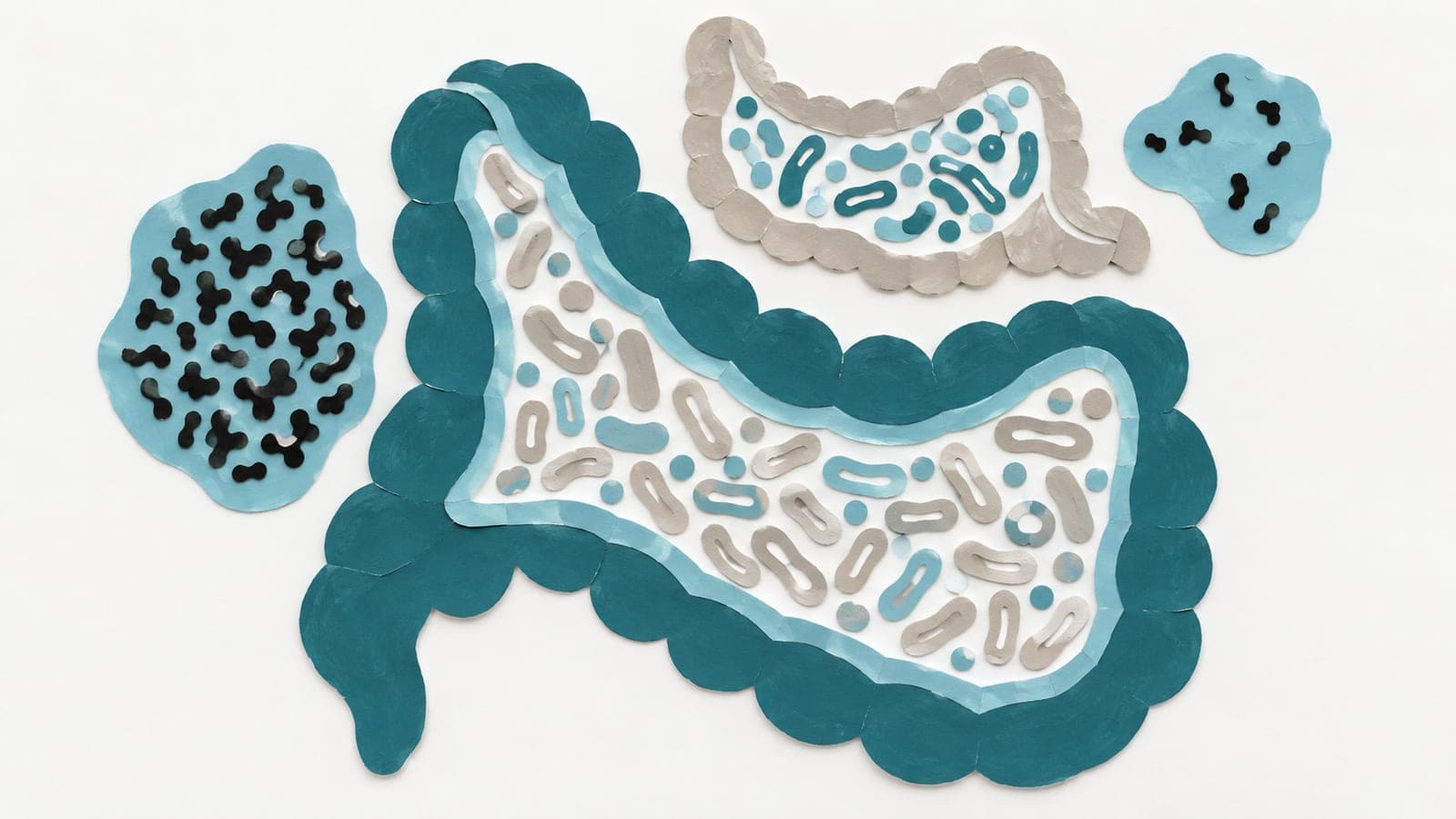
In an observational study, researchers characterised gut bacteria in 165 bonobos (Pan paniscus), aged 2 to 71 years, from wild and zoo-housed populations. In both settings, older age was associated with greater bacterial diversity. Core bacterial groups, those typically shared across individuals, were less abundant, while rarer groups increased.
Bacterial communities became less stable and more distinct between individuals with age in zoo-housed bonobos, but not in wild bonobos. This mirrored patterns restricted to industrialised human populations. Cumulative exposure to different environments over a lifetime was also linked to how distinctive an individual’s gut bacterial community was.
Why it matters
The comparison helps researchers ask which features of human gut bacterial aging are shared among great apes and which may depend on lifetime environmental exposures.
Caveats
The observational design cannot establish that environmental exposures caused the age-related differences. The findings came from bonobos, not people.
From the paper
- Result
A dyadic Bayesian regression model (BRM) returned similar results with a significant age smooth in zoo-housed bonobos (Estimate = 0.327, 95% CI [0.001, 0.109]), but also a significant smooth in wild bonobos (Estimate = 0.017 ± 0.028 SE, 95% CI [0.0003, 0.091]; Fig. 4B).
Quoted word for word from the full text on nature.com.
- Housing environment
- Cumulative exposure to distinct environments
- Microbiome composition
- Core microbiome abundance
- Low-abundance taxa
- P. paniscus
The paper
Ageing processes in the bonobo gut microbiome mirror human patterns
University of Antwerp
NPJ Biofilms and Microbiomes, 3 Sep 2026, Open access