Clearing senescent niche cells limits clonal hematopoiesis in mice
Mutant blood cells induced stromal senescence, while depleting senescent non-hematopoietic cells reduced clonal burden and delayed progression to myeloid neoplasia in mice.
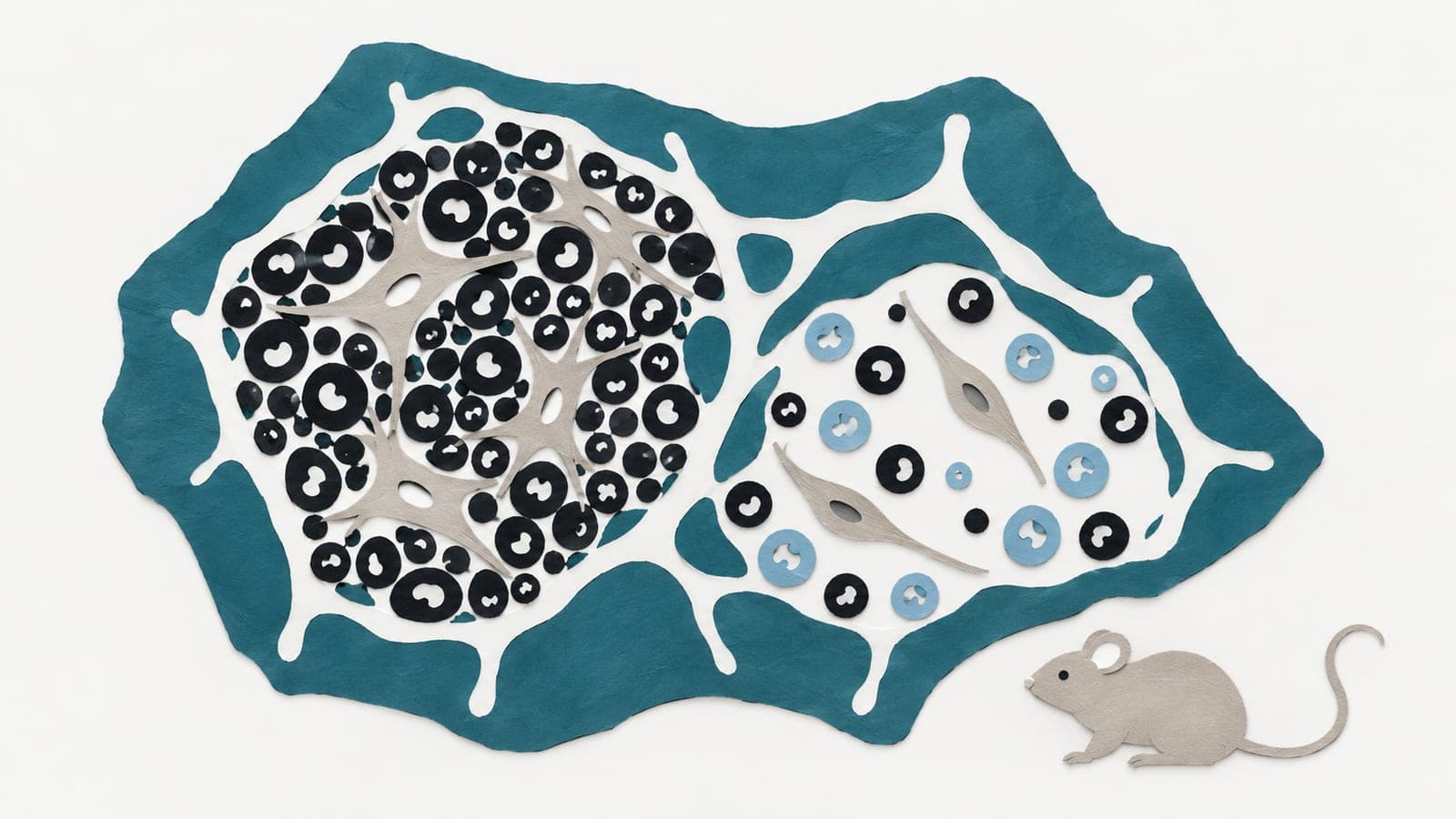
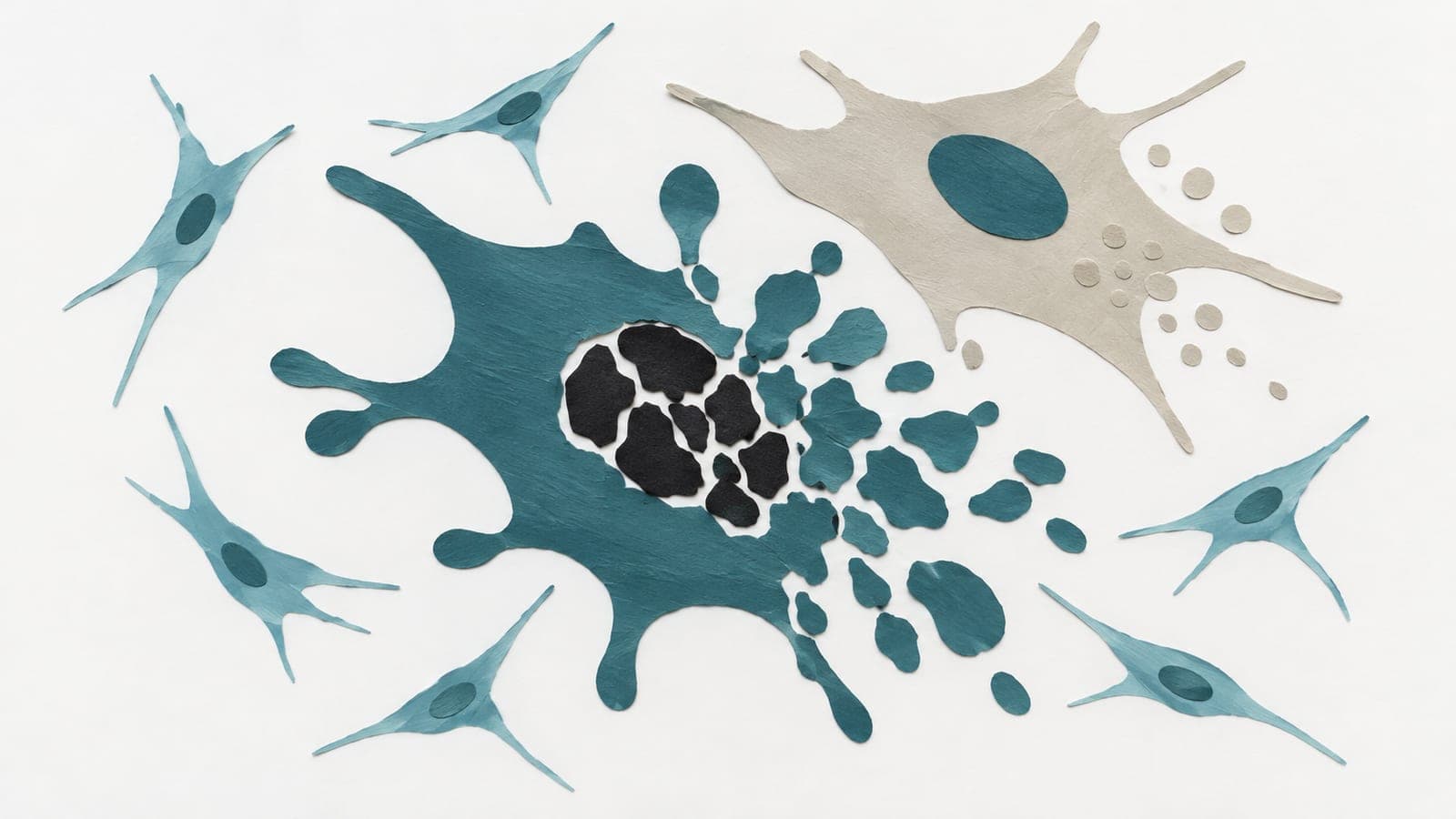
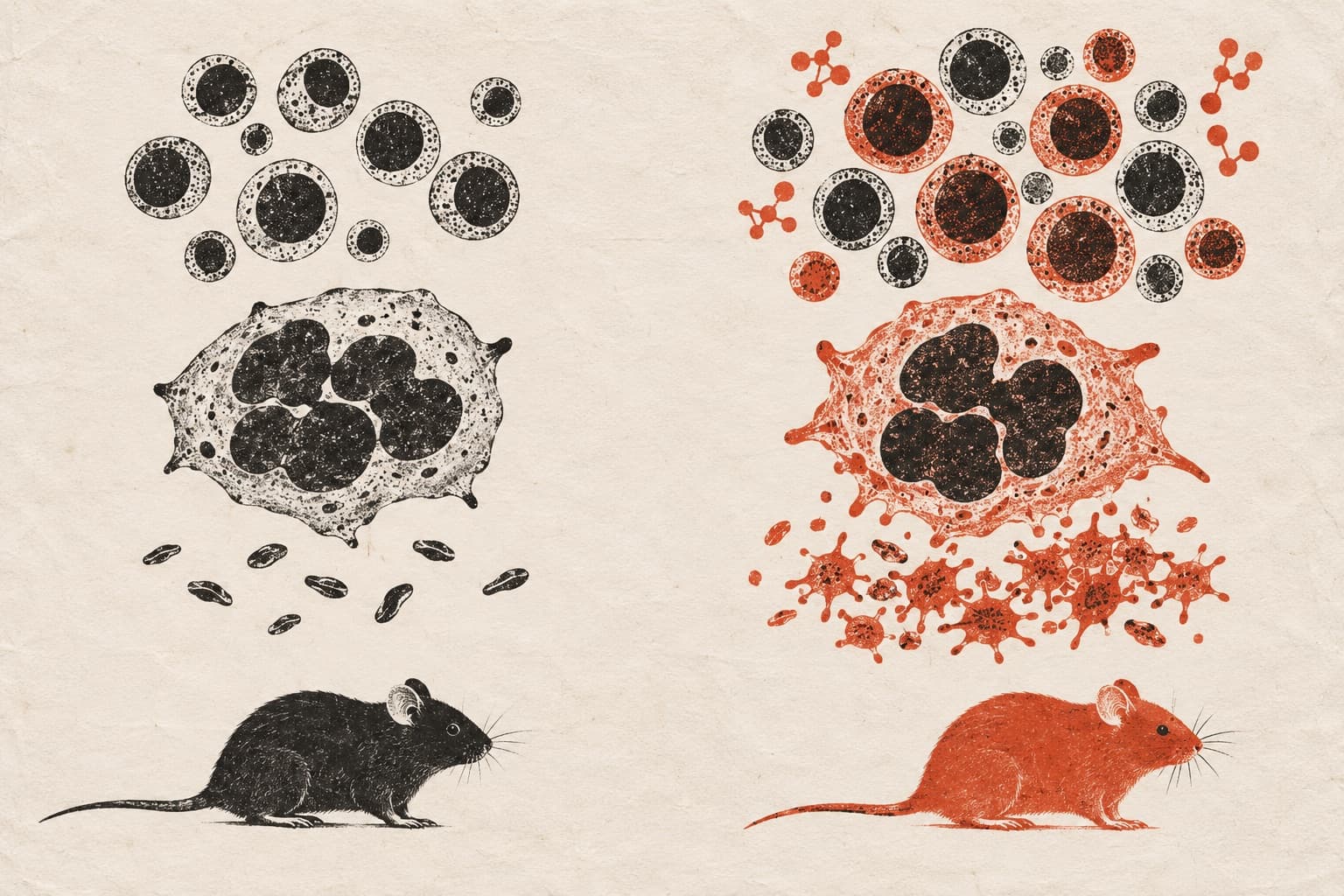
In mouse models and primary human samples, researchers investigated how mutant hematopoietic stem and progenitor cells (HSPCs) interact with the bone marrow microenvironment during clonal hematopoiesis. Mutant hematopoietic cells induced senescence in mesenchymal stromal cells through contact-independent, cytokine-mediated signaling involving TNF-α, IL-6, and STAT3. These senescent mesenchymal stromal cells then preferentially supported mutant HSPCs over wild-type cells. Furthermore, genetic or pharmacological depletion of senescent non-hematopoietic cells reduced clonal hematopoiesis burden in mice. This depletion also delayed progression towards myeloid neoplasia. The study reports that mutant cells actively remodel the premalignant niche to favor their own expansion.
Why it matters
The findings link stromal cell senescence to the expansion of mutant blood lineages, highlighting niche remodeling as a relevant mechanism in age-associated clonal hematopoiesis. Targeting senescent cells in the bone marrow microenvironment may offer a potential strategy for early disease intervention.
Caveats
Therapeutic depletion of senescent non-hematopoietic cells and its effect on disease progression were evaluated only in mouse models. The findings do not yet show whether similar niche clearance approaches would safely alter clonal hematopoiesis in human patients.
The paper
Getting comfortable: clonal haematopoiesis creates a senescent niche for expansion
University of Cambridge
Cancer Research, Oct 5, 2026