Blood counts help flag high-risk blood cancer precursors
The model categorised all high-risk cases as positive and pre-classified 40% of low-risk cases and 55% of negative cases as negative.
Independent replication
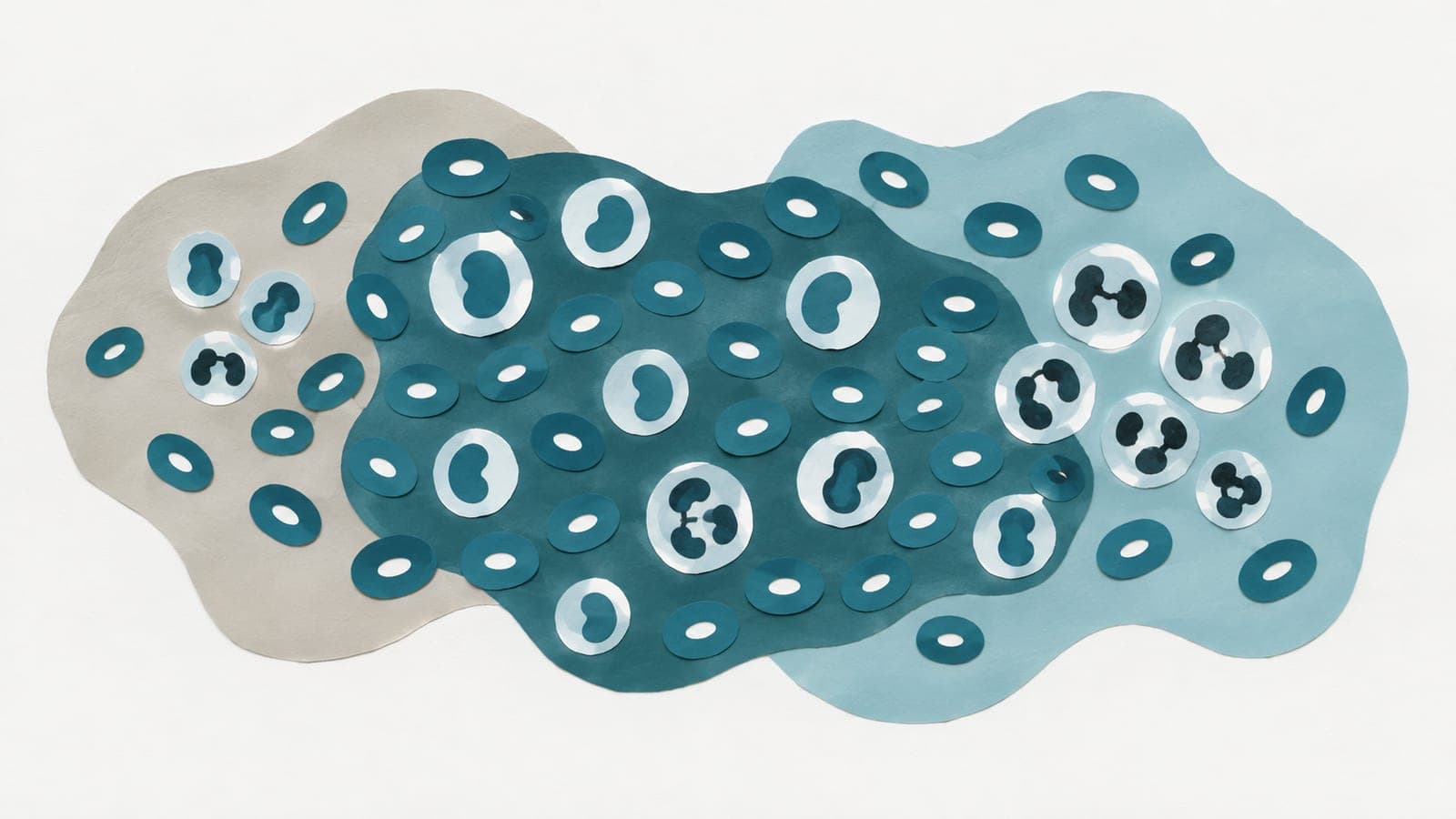
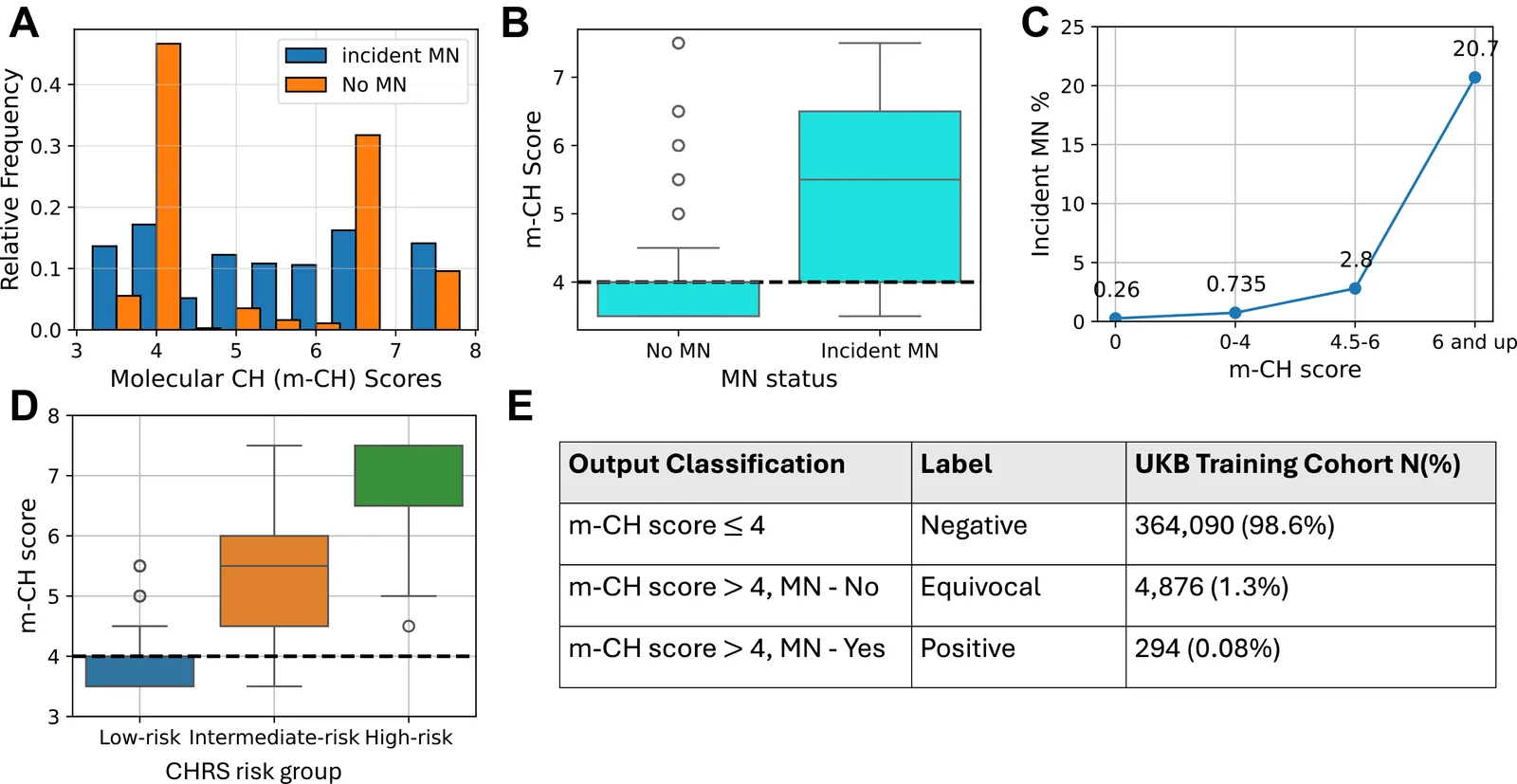
Researchers analysed 461,576 eligible UK Biobank participants in a retrospective cohort study. They used blood count parameters, age and sex to develop a machine learning model called PRISM. The model pre-classifies individuals based on their probability of having high-risk clonal haematopoiesis, a precursor of myeloid neoplasia common in older adults. The team divided the UK Biobank cohort into 369,260 participants for training and 92,316 for testing. They also tested the model in 2,233 clinical patients and 14,674 participants from the All of Us database.
PRISM categorised all cases of high-risk clonal haematopoiesis as positive. It pre-classified 40% of low-risk cases and 55% of clonal haematopoiesis-negative cases as negative. Negative predictive values were 0.993 in the UK Biobank test cohort, 0.968 in the clinical cohort and 0.998 in All of Us. The researchers propose that PRISM provides a framework to prioritise screening in populations at risk for myeloid neoplasia.
Why it matters
Clonal haematopoiesis becomes common in older adults and can precede blood cancers, but expensive genetic testing limits widespread monitoring. Using routine blood counts could help focus surveillance on the small subset of older individuals at high risk of developing disease.
Caveats
The model was derived and evaluated using retrospective cohort data rather than in a prospective screening trial. Predictive accuracy was also lower in the clinical cancer repository than in the population databases.