Elevated TNFα induces hyperreactive platelets by reprogramming hematopoietic stem cells in mice
The inflammatory cytokine acts directly on stem cells rather than mature megakaryocytes, driving myeloid biasing and thromboinflammation through a persistent transcriptional program.
bioRxiv
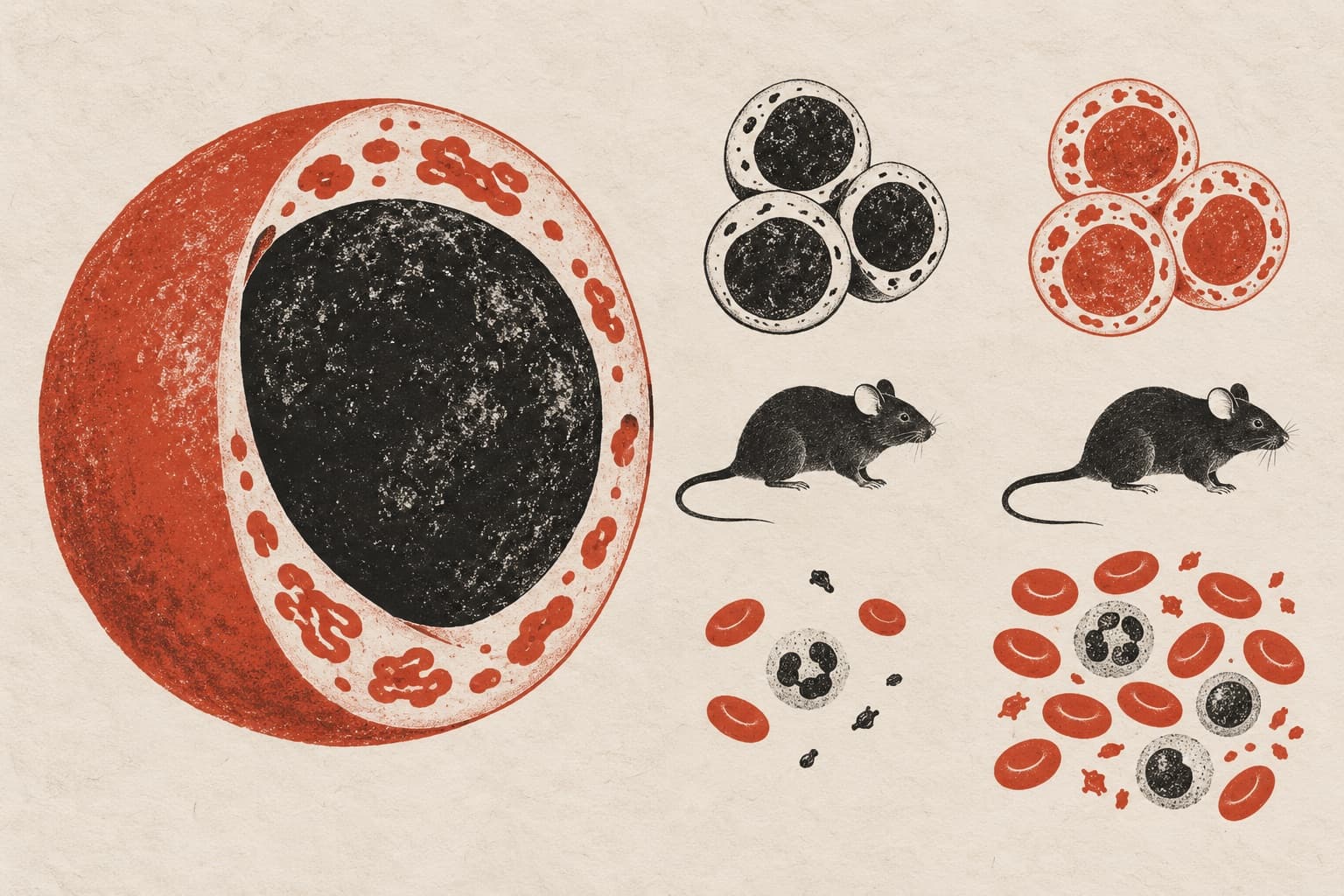
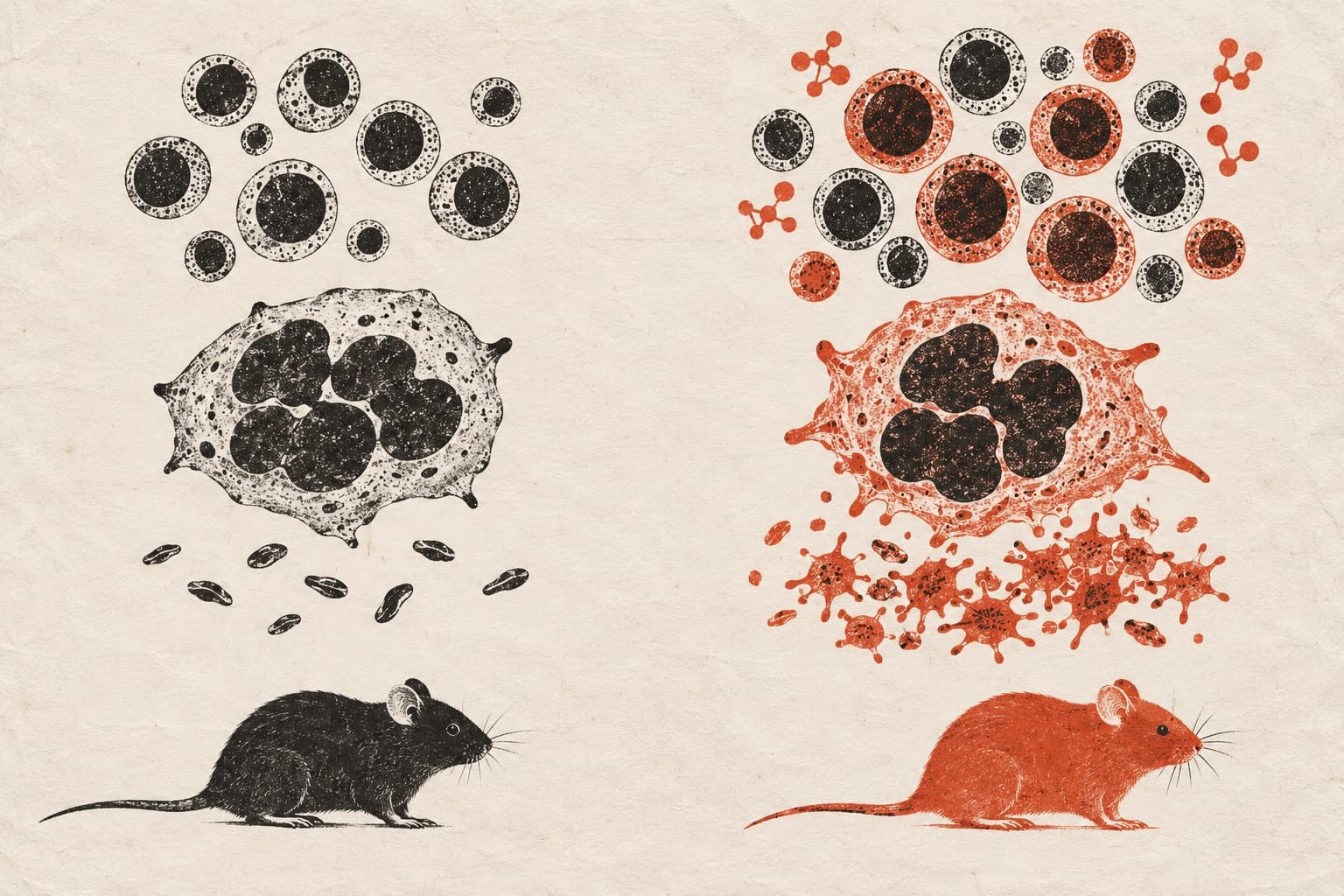
In mouse models, researchers investigated how chronic exposure to the inflammatory cytokine TNFα generates hyperreactive platelets. Using receptor labeling and single-cell RNA sequencing, the team found that megakaryocytes and their progenitors lack TNFα receptors. Instead, chronic TNFα expanded the hematopoietic stem and progenitor cell pool in bone marrow and extramedullary tissues. These expanded cells retained functional repopulation capacity. Activating TNFα receptor 1 signaling proved sufficient to cause platelet hyperreactivity even without progenitor cell expansion. Lineage-tracing experiments showed that chronic TNFα promoted megakaryocyte development through the canonical hematopoietic hierarchy rather than emergency hematopoiesis pathways. The exposure induced a distinct transcriptional program in stem cells and megakaryocytes that persisted through differentiation.
Why it matters
Because TNFα is a primary age-related cytokine, these findings explain how chronic inflammation can reprogram blood stem cells to promote thrombosis and thromboinflammation in aging.
Caveats
The findings are based entirely on mouse models and may not fully translate to humans. Additionally, this work is a preprint and has not yet undergone peer review.
The paper
Show 10 more authors
Abigail Ajanel, Ei Thanda Tun, Lilian Antunes Heck, Thomas Girard, Nina M. Lasky, Mary C. Fulbright, Christopher Letson, Yoon-A Kang, Craig N. Morrell, Stephen T. Oh,Washington University in St. Louis
bioRxiv · 29 Sep 2026 · Preprint, not peer-reviewed