Fungus drives spleen aging in mice, eased by astragaloside IV
In aged mice, Kazachstania pintolopesii aggravated spleen damage and immune cell ferroptosis, while astragaloside IV treatment restored immune function and iron homeostasis.
Frontiers in Immunology
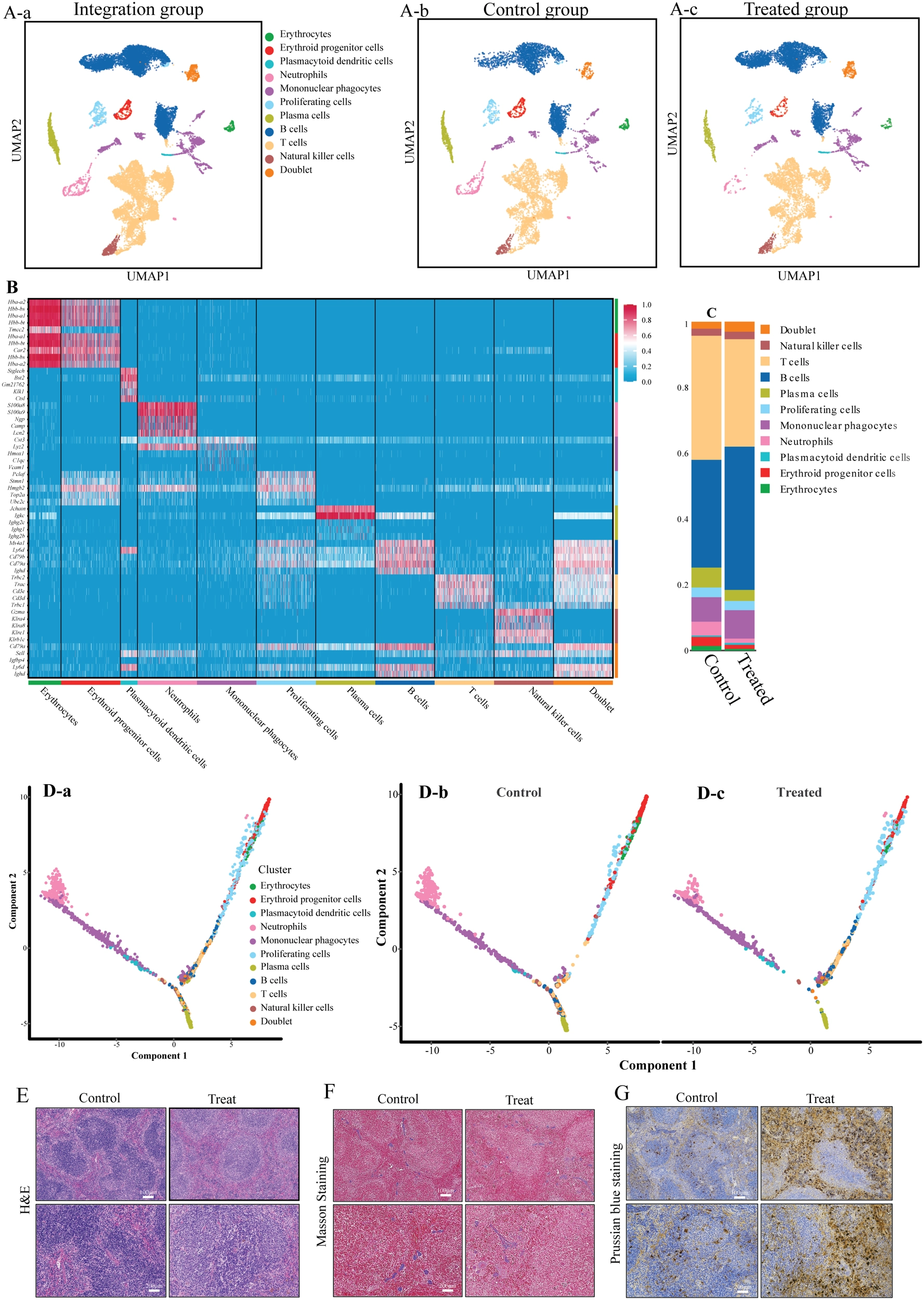
In aged mice, exposure to the fungus Kazachstania pintolopesii accelerates splenic senescence, according to a study using sequencing and histopathological analyses. The fungal infection induced structural changes in the spleen, including white pulp lymphocyte rarefaction, mild interstitial fibrosis, and marked iron overload. It also remodeled immune subsets by driving naive T cells into effector and memory phenotypes, polarizing B cells toward a pro-senescent marginal zone profile, and triggering myeloid cell reprogramming with activated ferroptosis. These effects were driven by crosstalk between chronic inflammation and ferro-aging marked by iron accumulation and ACSL4-mediated lipid peroxidation. Administering the natural compound astragaloside IV attenuated these fungal-induced impairments. The intervention restored splenic immune function, regulated iron metabolism and redox homeostasis, suppressed ferroptosis signaling, and interrupted the feedback loop linking senescence to inflammation.
Why it matters
The findings reveal how fungal exposure can accelerate age-related immune dysfunction through combined ferroptosis and chronic inflammation. They also identify the iron-immune axis as a potential target to protect aging immune tissues.
Caveats
The study was conducted exclusively in aged mice, and the abstract does not provide exact sample sizes or dosage details. Further research is necessary to see whether these fungal interactions and therapeutic responses translate to humans.
The paper
Jinan University · Tarim University
Frontiers in Immunology · 18 Sep 2026