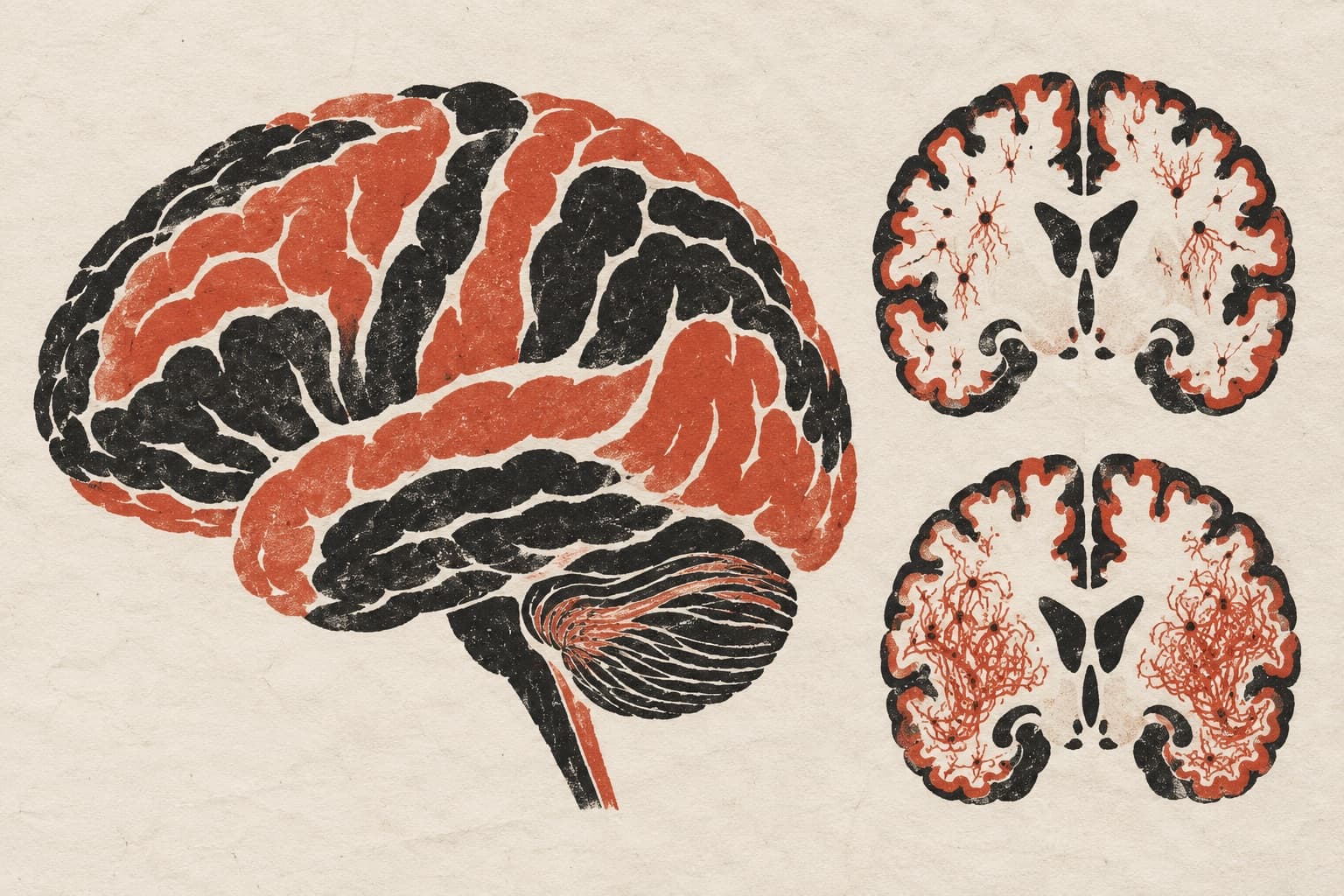
Dopamine loss in sleep disorder predicts Parkinson conversion
In PET scans of 77 patients with isolated REM sleep behavior disorder, quantitative dopamine markers showed intermediate loss and predicted phenoconversion toward Parkinson's disease.
Sleep Medicine
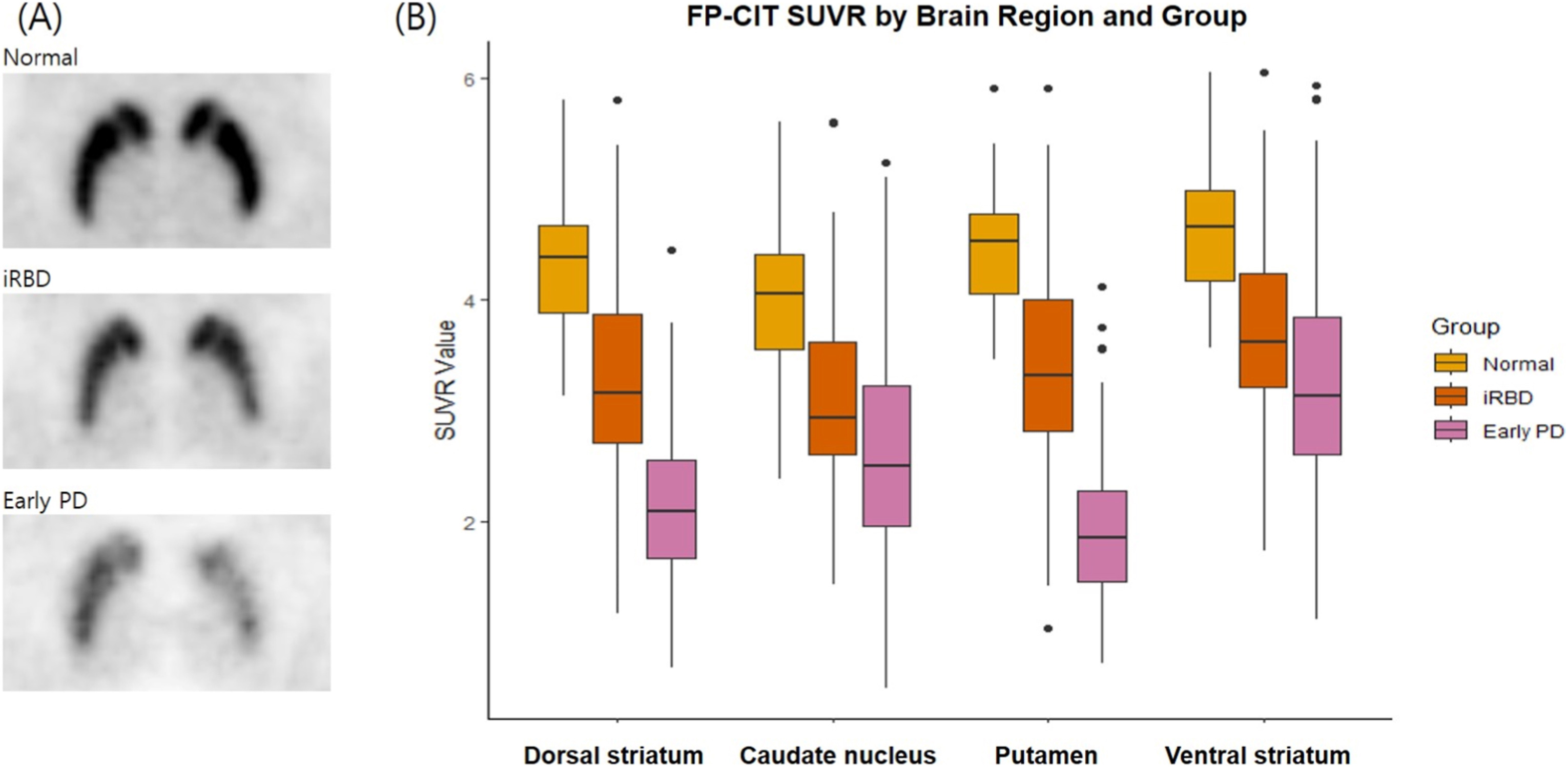
In a study of 33 healthy controls, 77 patients with isolated REM sleep behavior disorder, and 194 patients with early Parkinson's disease, researchers analyzed quantitative 18F-FP-CIT PET scans. They measured standardized uptake value ratios across 19 brain regions, focusing on the striatum, caudate nucleus, and putamen. Uptake ratios showed a stepwise decline from controls to sleep disorder patients and then to early Parkinson's disease. Putaminal asymmetry indices increased only in early Parkinson's disease and correlated with UPDRS-III motor scores. Putaminal anterior-posterior ratios differed across all three cohorts and associated with depressive symptoms. Furthermore, putamen uptake ratios and anterior-posterior ratios predicted phenoconversion in the sleep disorder cohort, matching the accuracy of expert visual interpretations while yielding continuous metrics for individual risk stratification.
Why it matters
Isolated REM sleep behavior disorder is a key prodromal phase of age-associated alpha-synucleinopathies. Objective imaging biomarkers that capture early dopaminergic decline could enable risk stratification and timely therapeutic interventions before overt motor symptoms emerge.
Caveats
The findings are based on an observational cohort study, and specific follow-up durations or phenoconversion timelines for the sleep disorder group were not detailed in the abstract.
The paper
Samsung Medical Center
Sleep Medicine · 28 Sep 2026