Low-carb telemedicine links to fewer cardiovascular events
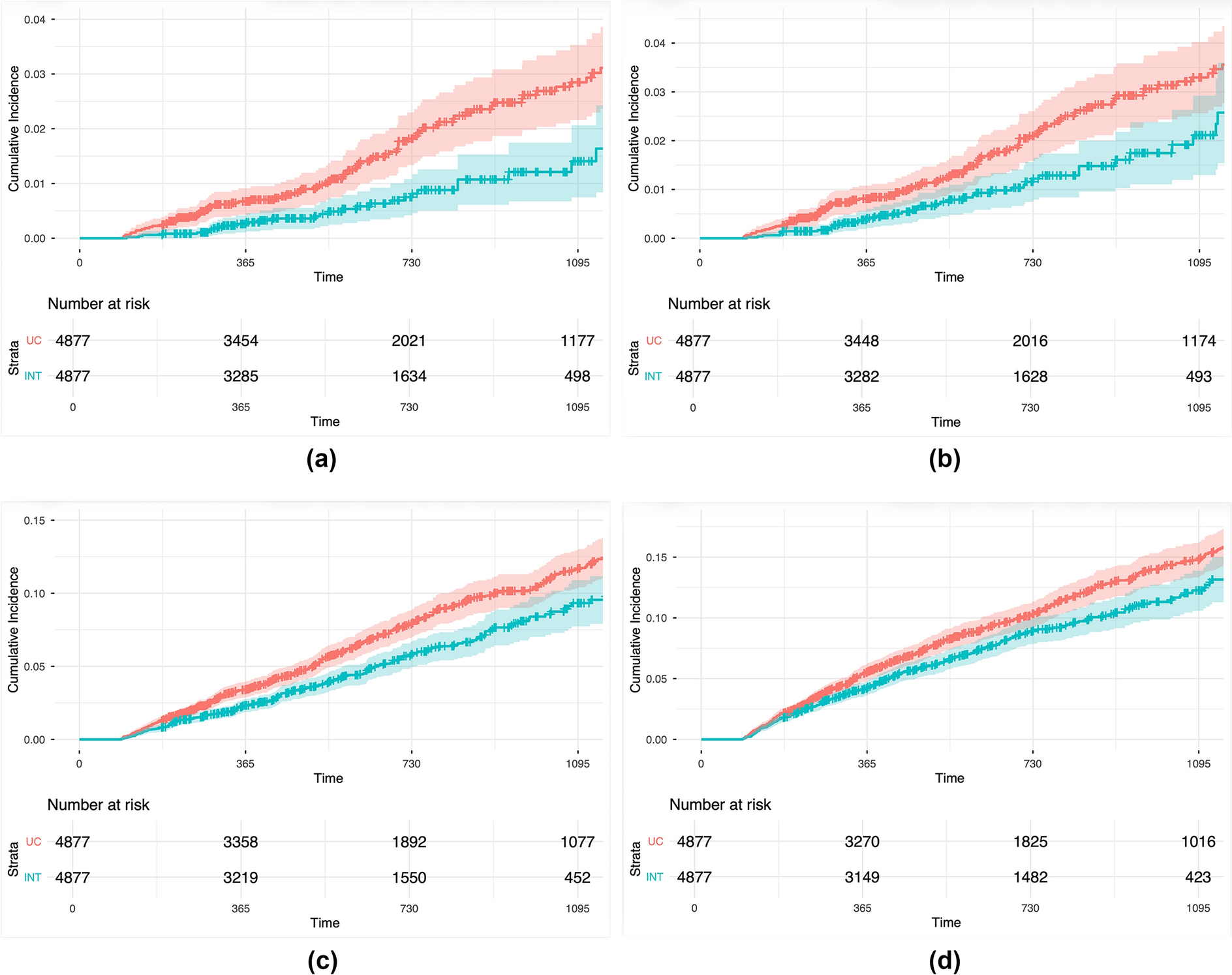
In adults with diabetes or obesity, three-point major adverse cardiovascular events dropped to 4.1 per 1000 person-years versus 9.3 in matched controls.
Cardiology and Therapy
In a retrospective claims-based cohort of 4,877 adults with type 2 diabetes or obesity, researchers evaluated cardiovascular outcomes following individualized carbohydrate-reduced nutritional therapy delivered via telemedicine. Patients were compared to an equal number of propensity score-matched controls. Those receiving the telemedicine nutritional therapy showed a lower risk across all primary endpoints. Incidence of three-point major adverse cardiovascular events (nonfatal myocardial infarction, nonfatal stroke, or all-cause mortality) was 4.1 per 1000 person-years in the intervention group versus 9.3 in controls, reflecting a hazard ratio of 0.44. Six-point major events occurred at 5.7 versus 10.8 per 1000 person-years (hazard ratio 0.52). The intervention group also experienced lower rates of all new-onset cardiovascular disease (hazard ratio 0.70) and new-onset hypertension (hazard ratio 0.81).
Why it matters
Cardiovascular disease remains a leading driver of morbidity and mortality during aging, particularly in the presence of metabolic dysfunction. Sustained metabolic improvements through remote dietary management could help mitigate age-related vascular decline.
Caveats
Because this study relied on a retrospective, observational claims-based design, it cannot prove causation and remains subject to potential residual confounding despite propensity score matching.
The paper
Brighton Hospital · Mayo Clinic
Cardiology and Therapy · 2 Oct 2026