Menopause and andropause symptoms link to workplace presenteeism
Severe symptoms carried adjusted relative risks of presenteeism of 2.98 in women and 3.55 in men compared to those without symptoms.
BMJ Public Health
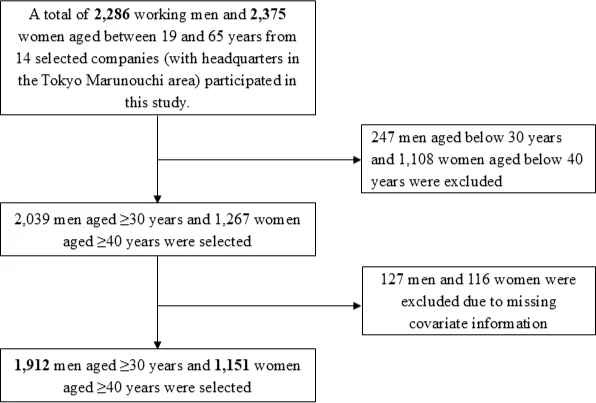
In a survey of 3,063 corporate employees in Tokyo, researchers examined how midlife hormonal symptoms relate to reduced work productivity. The cohort included 1,912 men aged 30 and older and 1,151 women aged 40 and older across 14 large companies. Participants reported their symptoms and recalled presenteeism days over the past month. Moderate-to-severe symptoms affected 28% of women and 27.5% of men. Women with severe menopausal symptoms had an adjusted relative risk of presenteeism of 2.98 compared to symptom-free peers, while those requiring treatment had a relative risk of 2.47. Men with severe andropausal symptoms had a 3.55-fold higher risk than those without symptoms. These associations persisted after excluding participants with psychological distress.
Why it matters
Hormonal transitions are major biological milestones of aging that can alter physical functioning and daily capacity in midlife. Identifying how these endocrine shifts impair daily functioning highlights the broader physiological toll of reproductive senescence on working populations.
Caveats
The study used a cross-sectional design and relied on self-reported recall of symptoms and presenteeism. The findings from white-collar corporate workers in Tokyo may not generalize to other occupational or cultural settings.
The paper
Kanagawa University of Human Services
BMJ Public Health · 24 Sep 2026