Sarcopenia with metabolic syndrome links to cognitive decline
Their co-occurrence showed a 2.64-fold higher odds of persistently low cognition and 2.38-fold higher odds of rapid decline in 5,985 older adults.
Maturitas
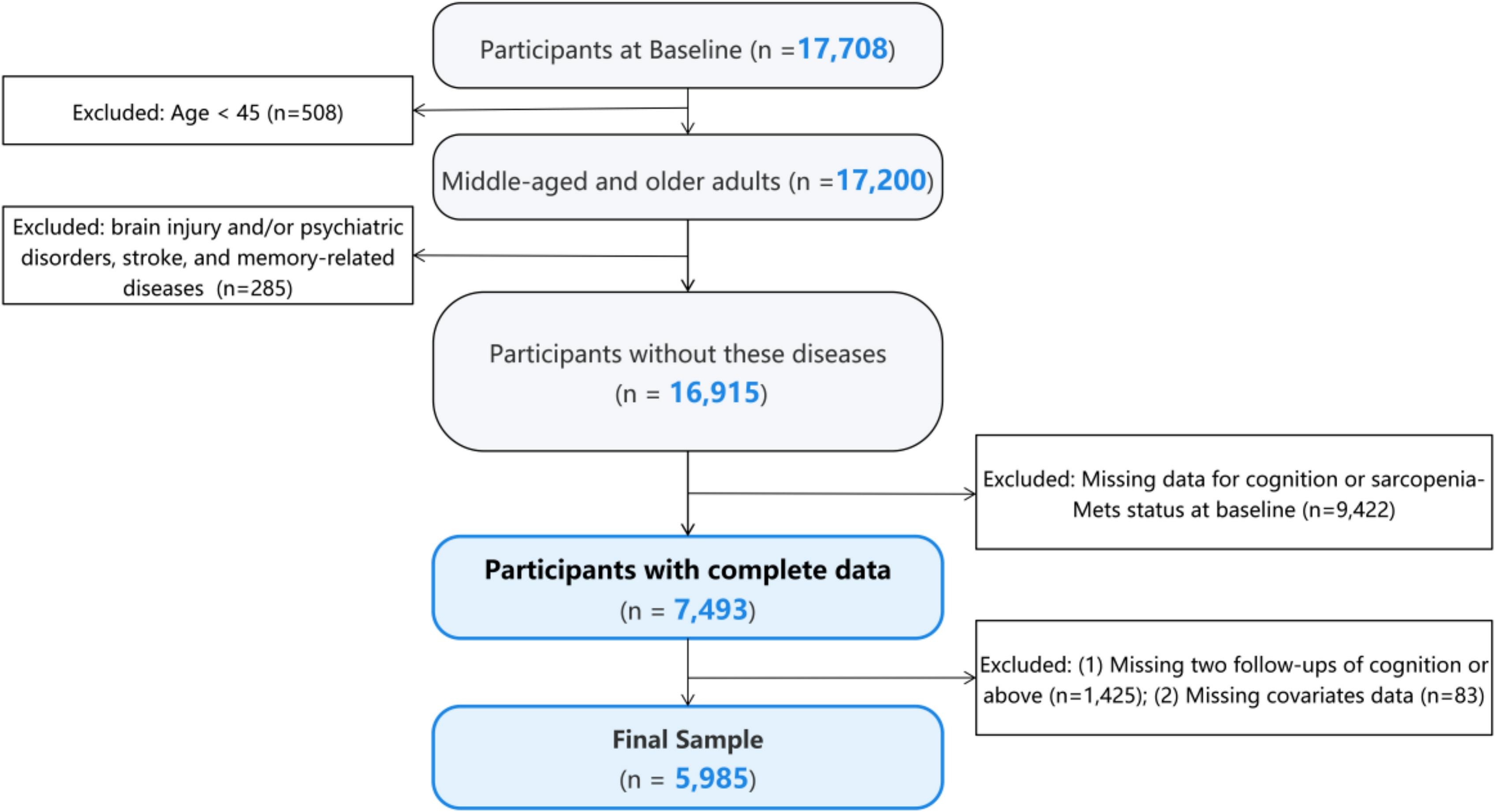
In a cohort of 5,985 Chinese adults aged 45 and older from 2011 to 2018, researchers tracked cognitive trajectories alongside sarcopenia and metabolic syndrome. The authors identified three cognitive patterns: persistently high, persistently low, and rapidly declining. In fully adjusted models, having both sarcopenia and metabolic syndrome was associated with a 2.64-fold increased odds of persistently low cognitive function and a 2.38-fold increased odds of a rapidly declining trajectory. Sarcopenia alone also increased the odds of adverse cognitive outcomes. In contrast, metabolic syndrome alone showed no significant association with cognitive trajectories after covariate adjustment. Causal forest analysis showed that age, body mass index, and hemoglobin level were the strongest effect modifiers.
Why it matters
The findings suggest that muscle loss and metabolic dysfunction can compound each other to worsen long-term cognitive deterioration during aging.
Caveats
The study was observational, meaning it demonstrates associations rather than direct causation, and the findings are derived from a single national cohort.
The paper
First Affiliated Hospital of Henan University of Traditional Chinese Medicine
Maturitas · 29 Sep 2026