Midlife mental health problems linked to frailty decades later
In a 35-year study of 27,958 adults, baseline mental health issues at ages 35–49 were linked to 0.52 higher Fried frailty scores after age 70.
Archives of Gerontology and Geriatrics
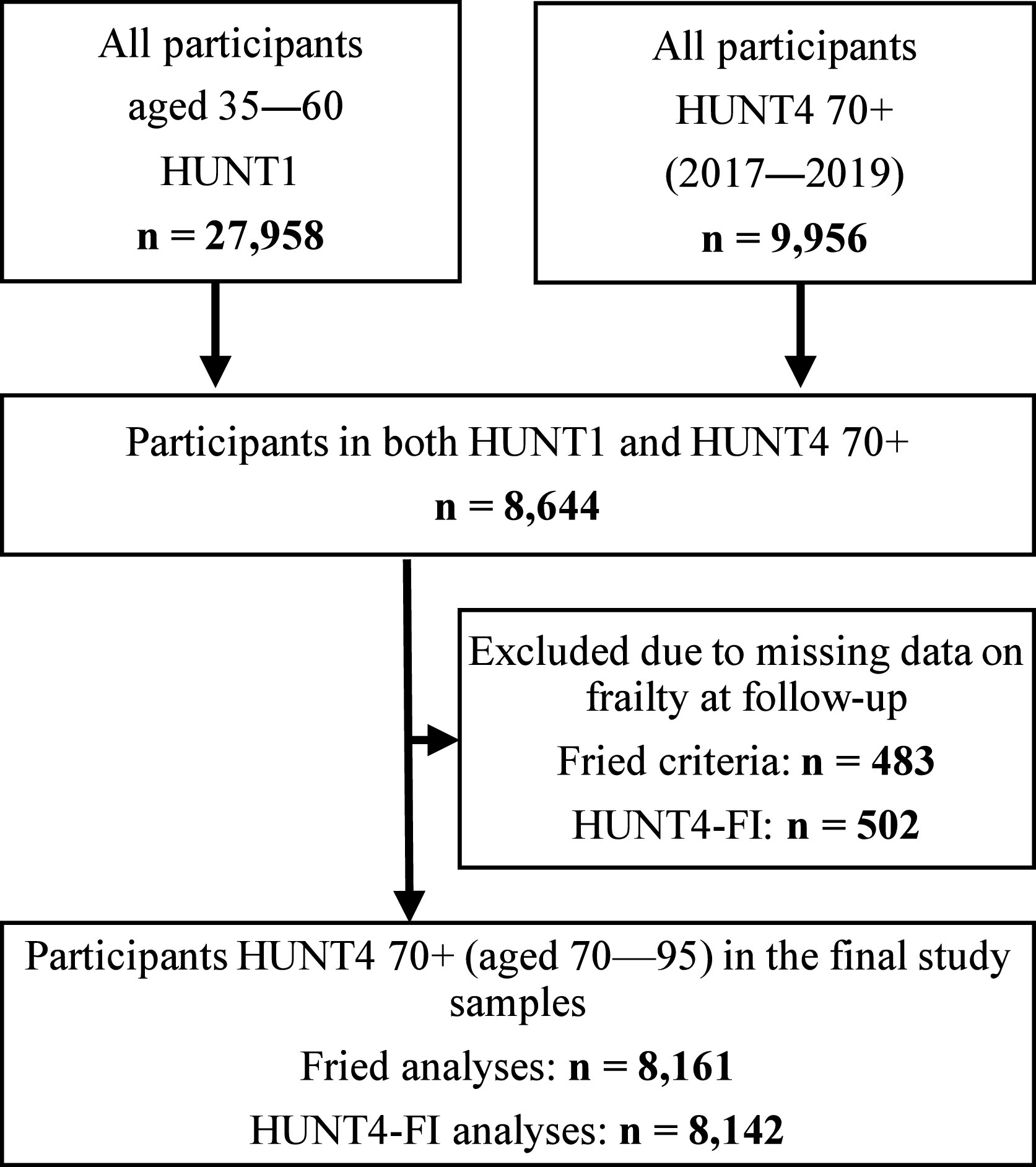
Researchers analyzed data from 27,958 human adults aged 35 to 60 in the Trøndelag Health Study to examine whether midlife mental health problems link to frailty after age 70. Follow-up frailty outcomes were assessed in 9,956 participants aged 70 years and older up to 35 years later using both Fried criteria and the 35-item HUNT4-Frailty Index. Baseline mental health was self-reported. Participants who reported mental health problems at ages 35 to 49 had 0.52 higher Fried scores and 0.066 higher frailty index scores at follow-up. For baseline ages 50 to 60, Fried scores were higher by 0.30 and frailty index scores were higher by 0.037. Models adjusted for sociodemographic and lifestyle factors.
Why it matters
The findings show that psychological problems in midlife are associated with physical vulnerability more than three decades later. This highlights midlife mental health as an important long-term factor in geriatric frailty.
Caveats
The observational design relied on self-reported mental health at baseline and cannot prove causation. Additionally, the increase in Fried frailty scores for participants aged 50 to 60 was not statistically significant.
The paper
Midlife mental health and frailty up to 35 years later: Insights from the HUNT study
Show 6 more authors
Ellen Melbye Langballe, Heidi Ormstad, Håvard Kjesbu Skjellegrind, Bjørn Heine Strand, Karen Sverdrup, Pernille Thingstad,Vestfold Hospital Trust · Oslo University Hospital
Archives of Gerontology and Geriatrics · 28 Sep 2026