Nettle cream improves sexual quality of life in menopause
Adjusted sexual quality of life scores were 7.7 points higher with nettle cream than with placebo after eight weeks of treatment.
Explore
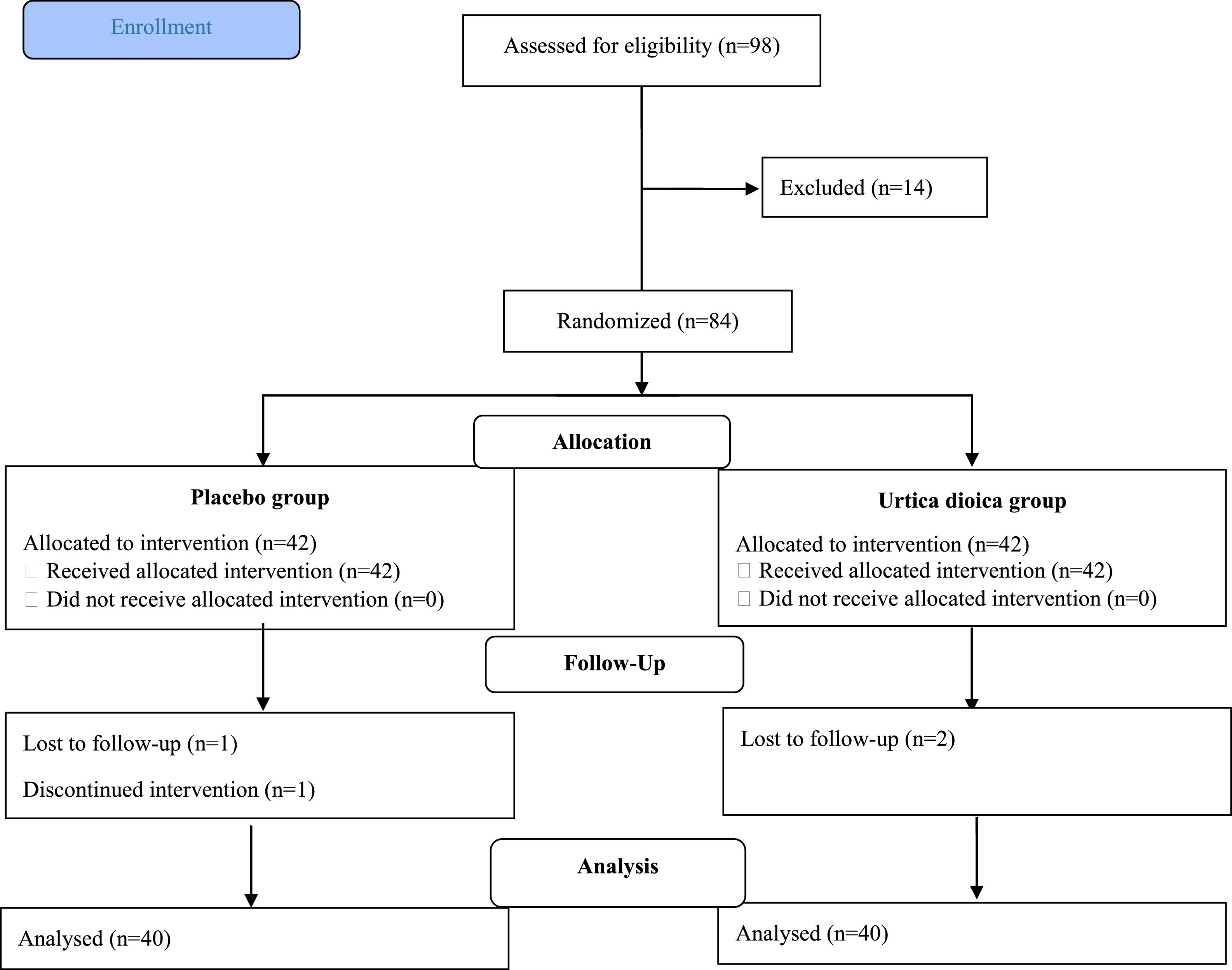
In an eight-week randomized trial, researchers evaluated 84 postmenopausal women aged 45 to 60 years who had vaginal atrophy. Participants applied either approximately 1 g of a 5% Urtica dioica (nettle) vaginal cream or a matched placebo nightly for two weeks, followed by twice-weekly applications for six weeks. Eighty women completed the trial.
Mean total scores on the Sexual Quality of Life-Female questionnaire rose from 73.7 to 84.9 in the nettle group and from 78.5 to 81.7 in the placebo group. After adjusting for baseline scores, the nettle group scored 3.4 points higher than the placebo group at four weeks and 7.7 points higher at eight weeks (P < 0.001). No adverse events were reported.
Why it matters
Vaginal atrophy is a common consequence of reproductive aging that affects postmenopausal health and well-being. Botanical treatments could provide non-hormonal options for individuals who cannot or choose not to use hormone replacement therapies.
Caveats
The study was small, with 80 women completing the protocol, and treatment lasted only eight weeks. Longer trials are necessary to determine whether these improvements persist after treatment ceases.
The paper
Mashhad University of Medical Sciences
Explore · 28 Sep 2026