Mailed stool tests increase cancer screening uptake in Europe
Mailed programmes increased lifetime and past-2-year screening uptake by 28.3 and 30.2 percentage points, respectively, compared with countries without them.
International Journal of Epidemiology
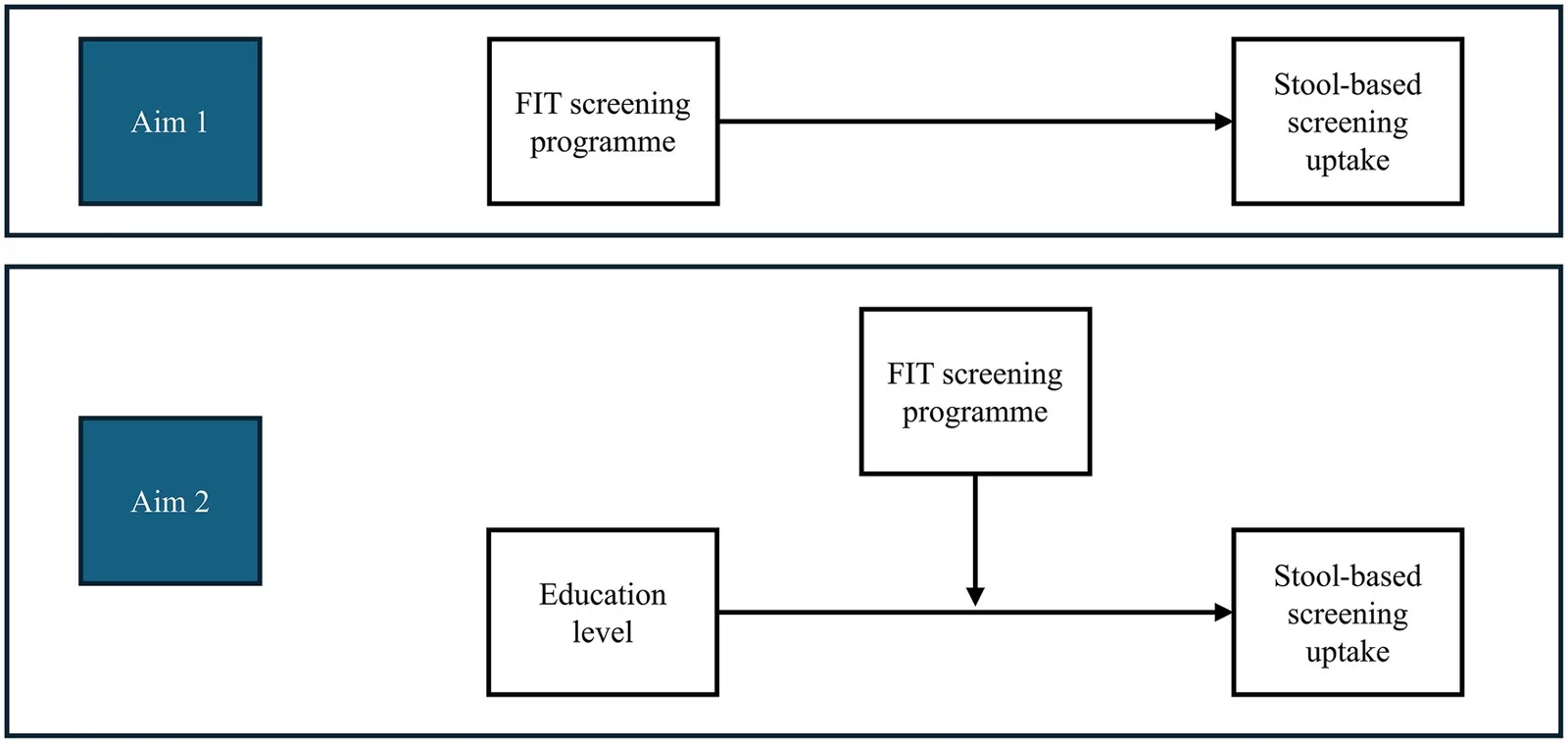
In a study of 202,976 European adults aged 50 to 74, researchers examined how nationwide mailed faecal immunochemical test (FIT) programmes affected colorectal cancer screening uptake and educational inequalities. Using European Health Interview Survey data from 2014 and 2019, the authors compared four countries that implemented mailed kit programmes against 20 countries without them.
Screening uptake within the past two years rose by 30.2 percentage points, and lifetime uptake increased by 28.3 percentage points in countries with mailed programmes. The intervention also reduced inequalities between individuals with middle and higher education, adding 8.9 percentage points for lifetime uptake and 6.4 percentage points for two-year uptake among middle-educated adults. However, the programmes did not reduce the screening gap between participants with lower and higher education.
Why it matters
Colorectal cancer risk rises sharply with age, making regular screening essential for reducing mortality in older adults. Evaluating delivery methods reveals how public health systems can better ensure equitable preventive care across aging populations.
Caveats
Screening uptake was self-reported by survey participants rather than verified through medical registries. In addition, the programmes did not close screening gaps for individuals with the lowest educational attainment, and pre-intervention trends could not be assessed in all intervention countries.
The paper
Show 5 more authors
Cornelia Wagner, Bernadette W A van der Linden, Piet Bracke, Sorana Toma, Claudine Burton‐Jeangros,University of Geneva
International Journal of Epidemiology · 1 Aug 2026