ARNI links to lower osteoporosis risk in heart failure
Patients taking an ARNI had an adjusted hazard ratio of 0.6 for osteoporosis compared with those taking an ACE inhibitor.
Internal and Emergency Medicine
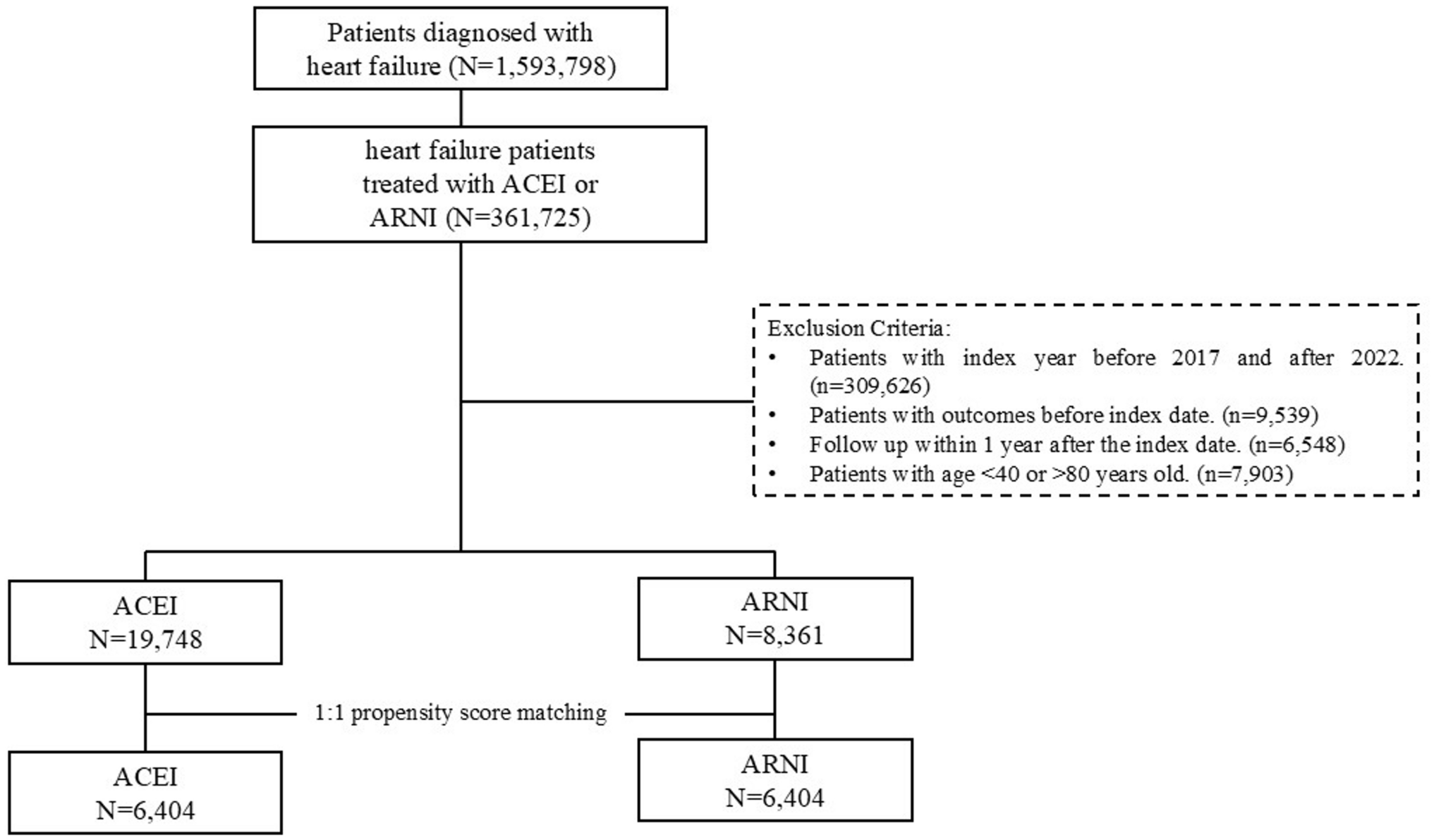
In a real-world study of 12,808 heart failure patients, researchers investigated whether using an angiotensin receptor-neprilysin inhibitor (ARNI) influenced osteoporosis risk compared to taking an angiotensin-converting enzyme inhibitor (ACEI). The researchers evaluated prescription records collected between 2017 and 2022. Using 1:1 propensity score matching, they formed two equal groups of 6,404 patients assigned to either ARNI or ACEI treatment. In the multivariable-adjusted model that accounted for potential confounding variables, ARNI use was associated with a significantly lower risk of osteoporosis compared with ACEI use (adjusted HR 0.6, 95% CI 0.4-0.88, p = 0.0092). The authors concluded that heart failure patients taking ARNIs face a lower risk of osteoporosis than those prescribed ACEIs.
Why it matters
Heart failure and osteoporosis frequently co-occur as age-related conditions. Understanding how frontline cardiovascular therapies alter bone loss could help clinicians manage multiple age-related comorbidities simultaneously.
Caveats
The observational study relied on prescription records and propensity score matching, which cannot establish causality or eliminate unmeasured confounders.
The paper
China Medical University
Internal and Emergency Medicine · 1 Oct 2026