Long spaceflights tied to higher hip fracture rates in astronauts
After missions over 90 days, astronauts had higher hip fracture rates resembling terrestrial peers 8 to 16.5 years older, with no difference at other skeletal sites.
Mayo Clinic Proceedings
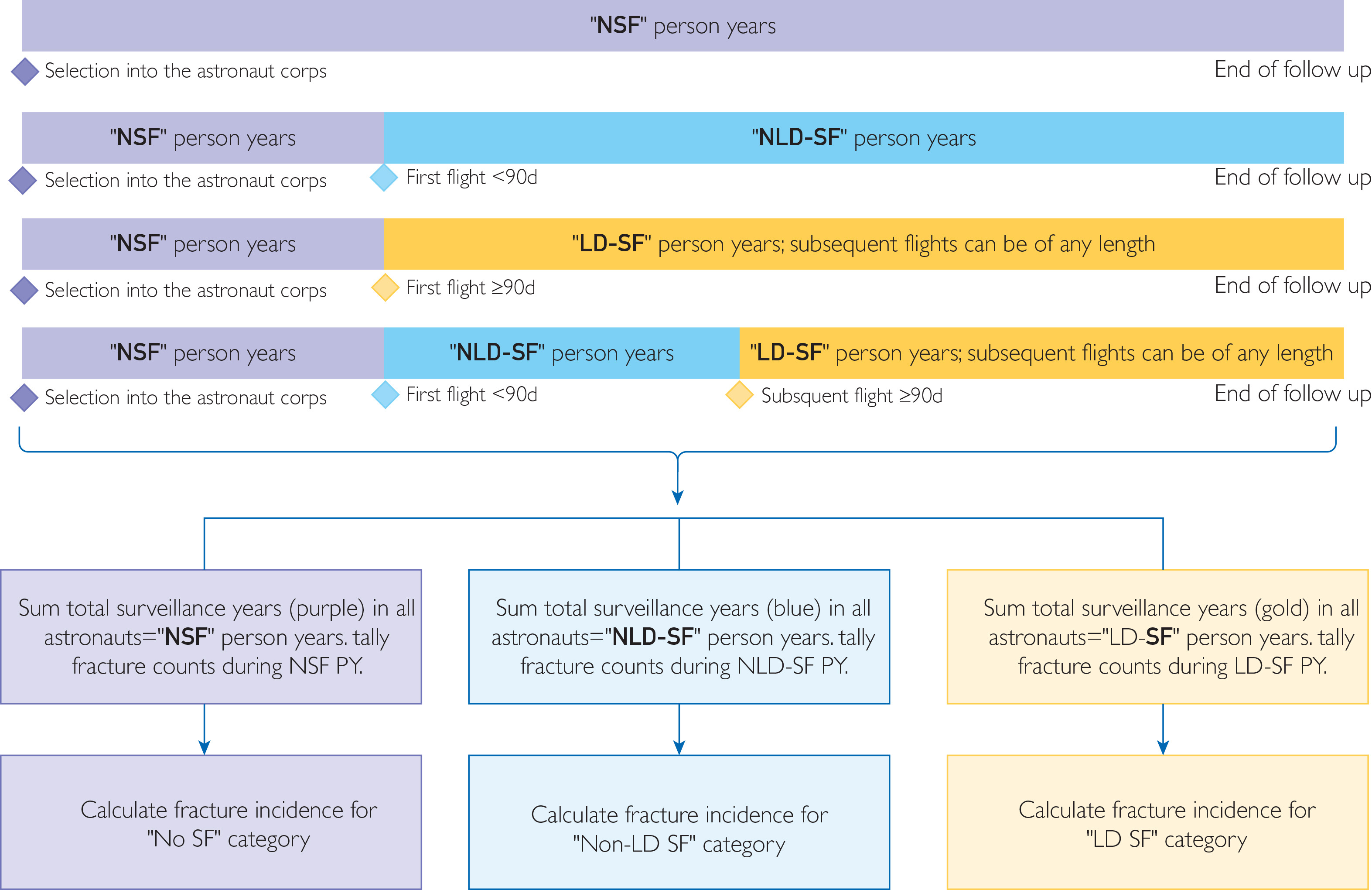
In a survey of astronauts conducted between 2018 and 2022, researchers assessed whether mission duration influenced postflight fracture risk. Investigators modeled fracture counts while adjusting for age, varying surveillance lengths, and repeated individual measures. Astronauts exposed to long-duration spaceflights lasting over 90 days experienced a higher rate of hip fractures than peers on shorter missions or with no spaceflight history. In the postflight window, these astronauts had hip fracture rates at a mean age of 62.5 years that were similar to terrestrial non-astronauts aged 70 to 79 years. Fracture rates at all other skeletal sites were similar across duration groups.
Why it matters
The findings suggest that extended exposure to microgravity can mimic accelerated skeletal aging. Understanding postflight bone fragility may offer insights into the mechanisms driving age-related bone loss and hip fractures on Earth.
Caveats
The study is observational and relies on retrospective survey data from a small, specialized astronaut cohort. In addition, the increased fracture rate was confined to the hip and did not appear at other anatomical sites.
The paper
Increased Rates of Hip Fractures Associated With Longer Spaceflight Durations
Baylor College of Medicine · Johnson Space Center
Mayo Clinic Proceedings · 1 Oct 2026