TyG-waist index predicts cardiovascular events in older adults
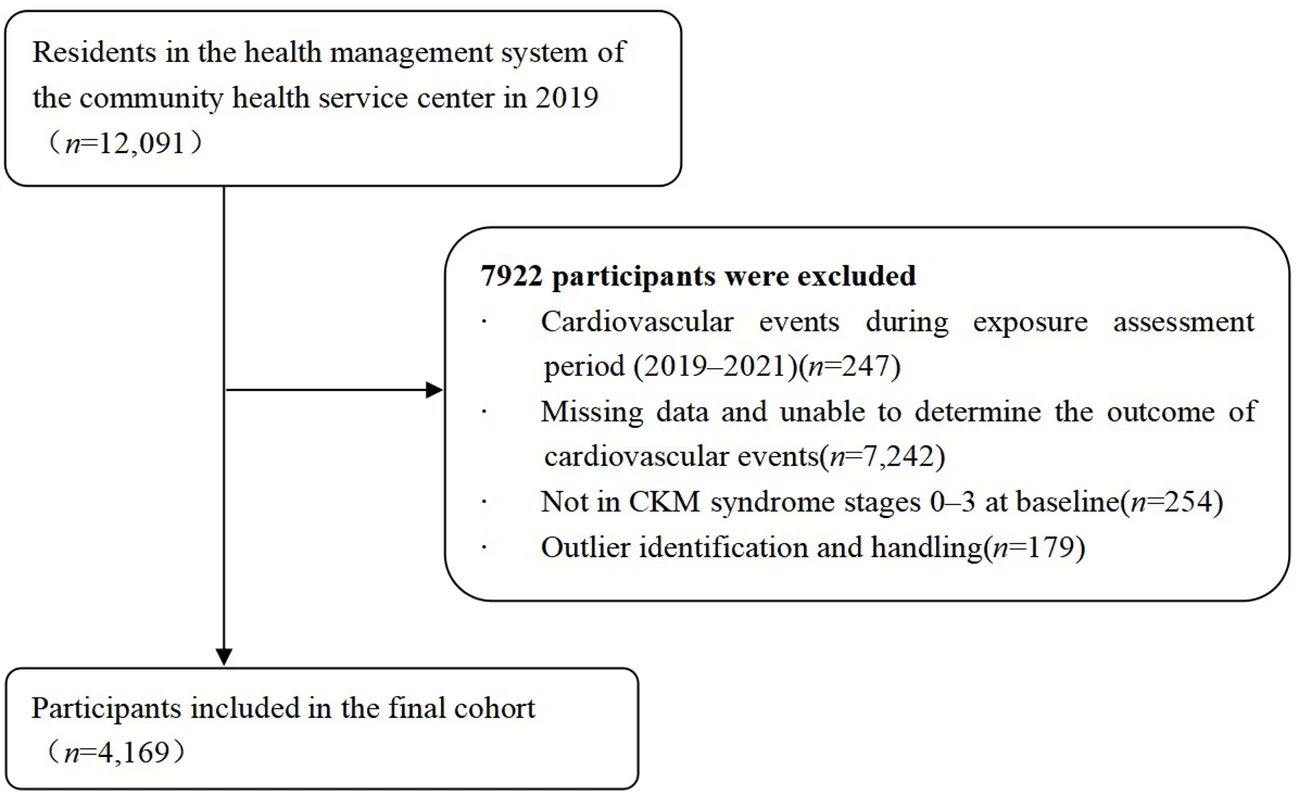
In 4,169 older adults followed for six years, each standard-deviation rise in baseline TyG-waist circumference shortened time to cardiovascular events by 5.5%.
Frontiers in Endocrinology
Rural Chinese adults aged 65 and older (4,169 participants) with cardiovascular-kidney-metabolic syndrome stages 0 to 3 were tracked for six years. Researchers evaluated baseline measurements, multi-year cumulative exposures, and annual changes in the triglyceride-glucose (TyG) index and its anthropometric derivatives. During follow-up, 822 cardiovascular events occurred.
Both baseline and cumulative TyG combined with waist circumference (TyG-WC) demonstrated the strongest predictive performance, whereas annual mean changes added minimal predictive value. Each standard-deviation increment in baseline TyG-WC was associated with a 5.5% reduction in time to a cardiovascular event. By contrast, baseline TyG alone showed no significant association after full adjustment. The authors concluded that sustained metabolic burden is more clinically informative than short-term fluctuations, and baseline TyG-WC offers a low-cost auxiliary risk stratification tool for primary care.
Why it matters
Insulin resistance and central adiposity interact to drive vascular and metabolic decline during aging. Combining glucose, lipid, and waist measurements can help identify older adults at elevated risk of cardiovascular events before late-stage organ damage occurs.
Caveats
This retrospective observational cohort was limited to four primary healthcare centers in a single rural region of China. The authors note that TyG-WC provides modest incremental discrimination and should augment rather than replace conventional cardiovascular risk calculators.
The paper
Nanjing University of Chinese Medicine
Frontiers in Endocrinology · 30 Sep 2026