Cardiometabolic index tracks with higher mortality in adults
In US adults, higher index scores linked to a hazard ratio of 1.35 for all-cause and 1.91 for diabetes mortality.
Heart, Lung & Circulation
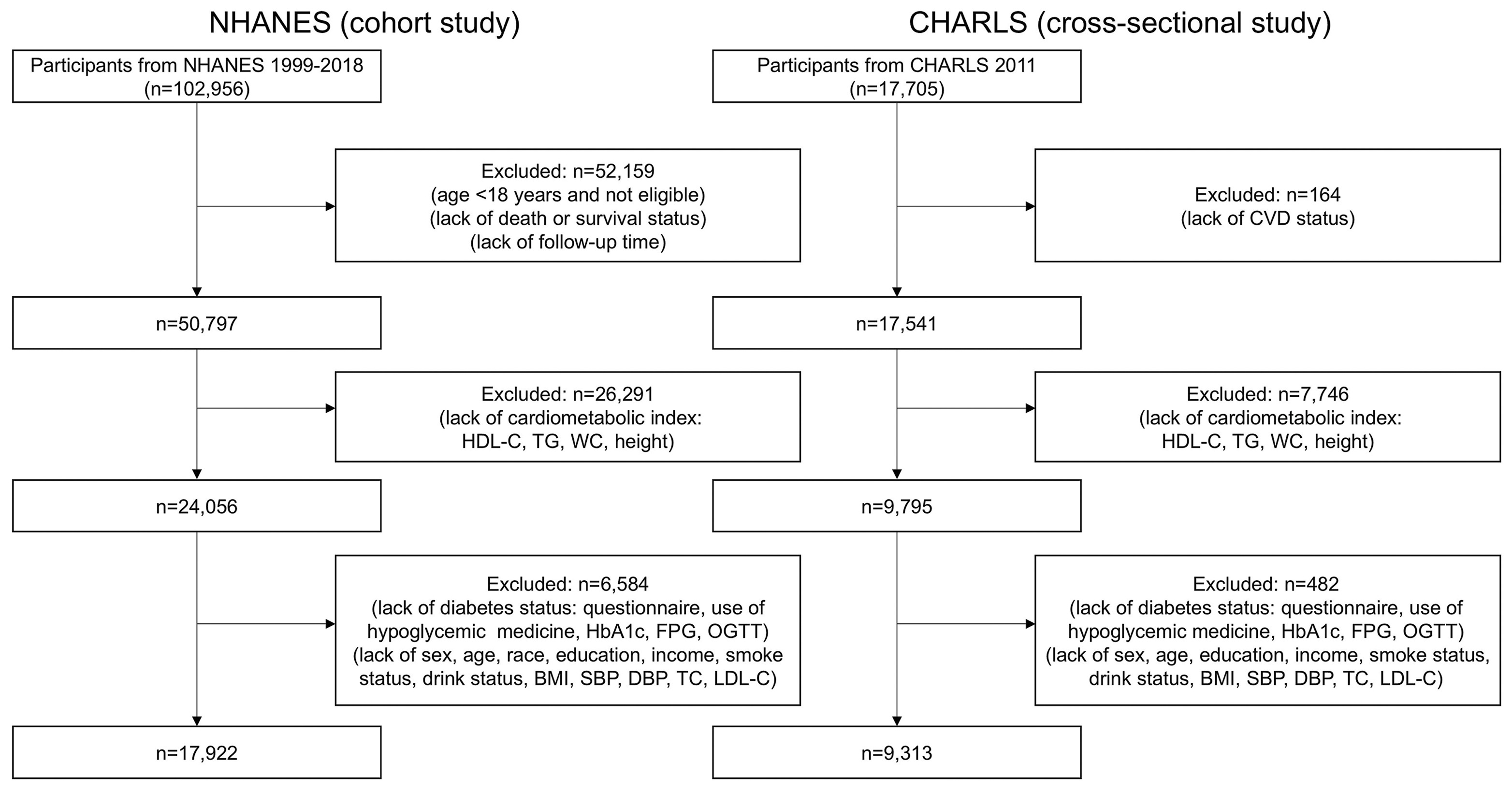
A study of 17,922 US adults and 9,313 Chinese adults evaluated the cardiometabolic index as a predictor of disease and death. The index combines waist-to-height ratio with the triglyceride-to-high-density lipoprotein cholesterol ratio. Researchers analyzed longitudinal data from the US National Health and Nutrition Examination Survey alongside cross-sectional data from the China Health and Retirement Longitudinal Study. In the US cohort, elevated index scores were associated with higher risks of all-cause mortality (hazard ratio 1.35), cardiovascular disease mortality (hazard ratio 1.30), and diabetes mortality (hazard ratio 1.91). Age significantly modified these associations, with greater predictive utility observed in younger adults. In the Chinese cohort, the marker also tracked with cardiometabolic disease burden.
Why it matters
Simple composite measures of central adiposity and lipid dysregulation help identify early metabolic decline before clinical endpoints occur. Stratifying risk earlier in life may pinpoint key windows to counter age-related metabolic disease.
Caveats
The findings in the Chinese cohort come from a cross-sectional dataset, preventing longitudinal assessment in that population. As an observational study, these data establish statistical associations rather than direct causation.
The paper
Shanghai Jiao Tong University · The People's Hospital of Yiyang
Heart, Lung & Circulation · 30 Sep 2026