Poor sleep patterns are linked to higher osteoporosis risk
In 63,083 UK adults, short sleep had a hazard ratio of 1.16, irregular sleep 1.21, and low sleep efficiency 1.23 for incident osteoporosis.
Preventive Medicine
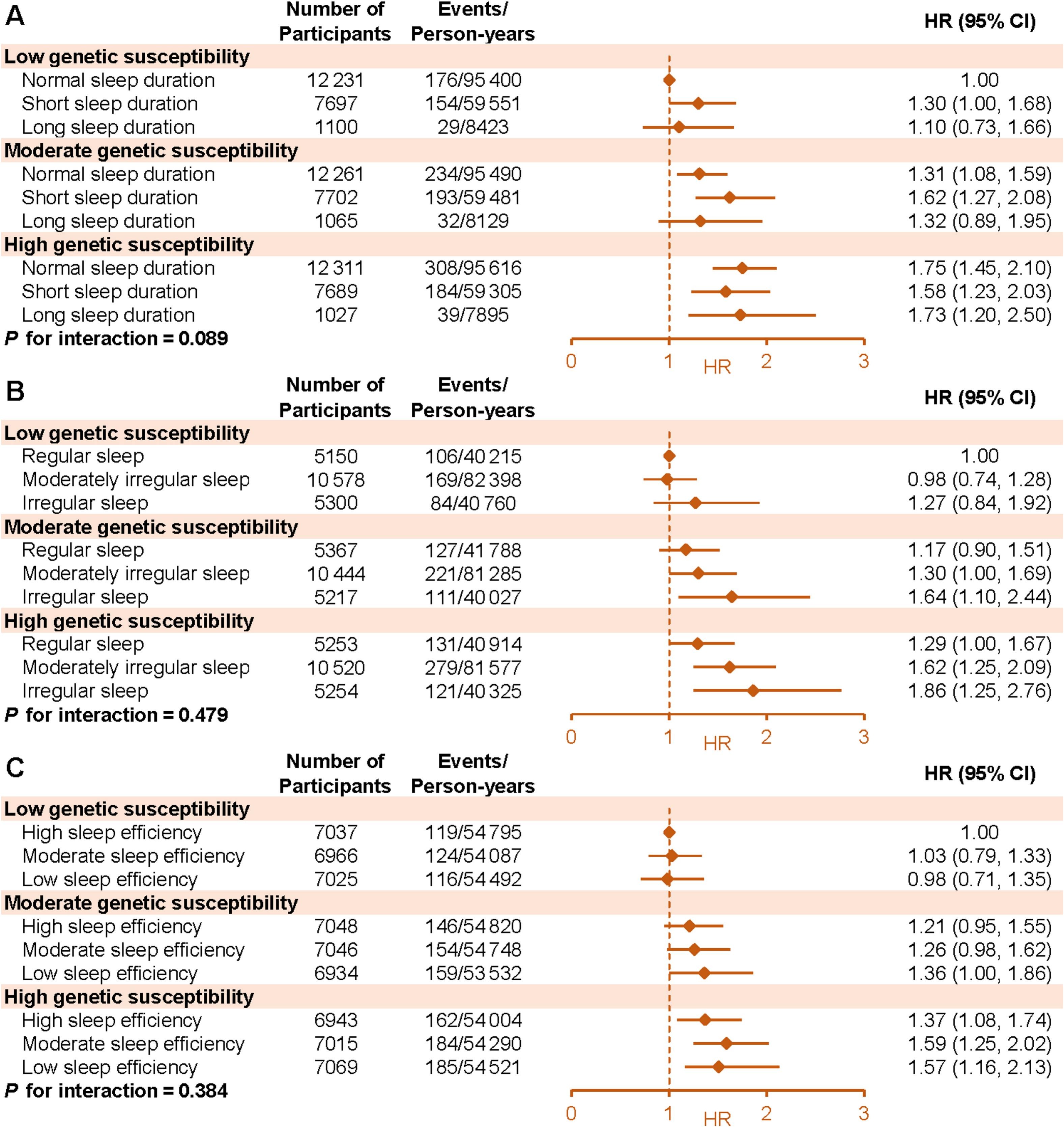
In a study of 63,083 UK Biobank participants, researchers tracked sleep parameters and incident osteoporosis over a median 7.8-year follow-up. Accelerometers recorded sleep duration, regularity, and efficiency between 2013 and 2015, and investigators identified 1,349 incident cases of osteoporosis. Cox models adjusted for confounders showed that short sleep duration increased osteoporosis risk with a hazard ratio of 1.16, irregular sleep carried a hazard ratio of 1.21, and low sleep efficiency carried a hazard ratio of 1.23. The authors also evaluated genetic susceptibility. Participants with high genetic susceptibility and poor sleep showed the highest risk compared to those with low genetic risk and healthy sleep, with hazard ratios of 1.58 for short sleep, 1.86 for irregular sleep, and 1.57 for low sleep efficiency.
Why it matters
Osteoporosis is a major age-related skeletal disorder that increases fracture risk and frailty in older adults. These findings highlight how measurable sleep behaviors and circadian patterns interact with genetic risk in bone health.
Caveats
The observational design in the UK Biobank cohort demonstrates associations rather than direct causal mechanisms.
The paper
Sheng Jing Hospital
Preventive Medicine · 30 Sep 2026