Cumulative violence exposure raises adult allostatic load
Longitudinal data from Add Health showed cumulative violence exposure best explained elevated adult allostatic load, while adolescent peer connectedness independently lowered it.
Social Science & Medicine
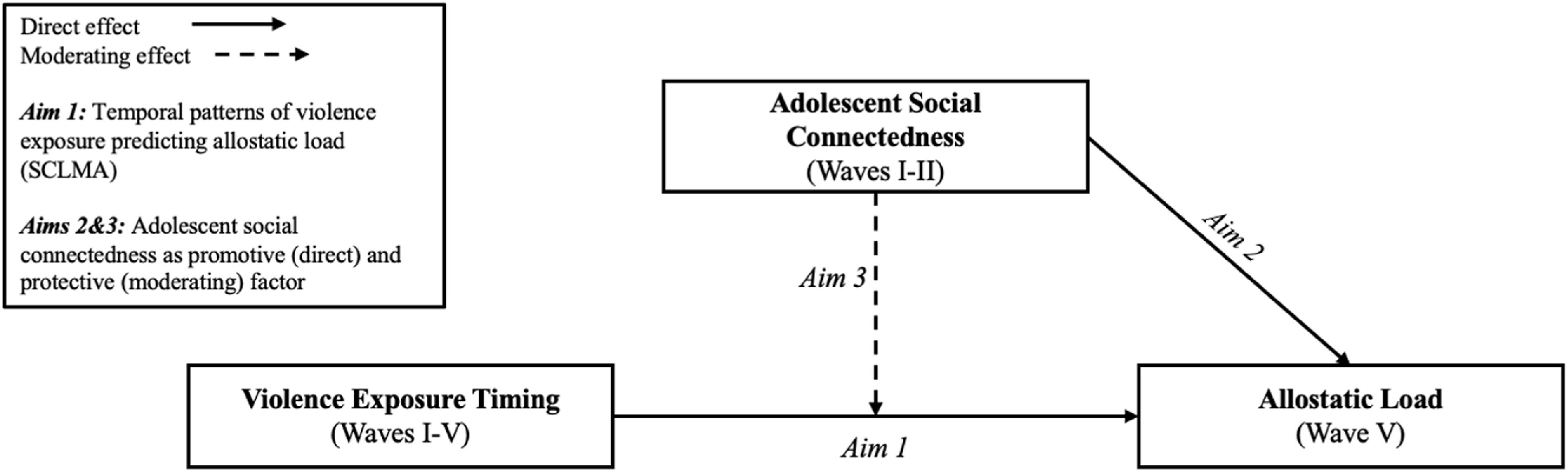
In a study of human participants from the National Longitudinal Study of Adolescent to Adult Health, researchers evaluated how the timing and accumulation of violence exposure affect adult physiological wear. Using the Structured Life Course Modeling Approach, the team tested whether developmental timing, cumulative burden, or exposure recency best explained elevated adult allostatic load markers. They also tested whether adolescent connectedness to peers, schools, or parents exerted promotive or protective effects. Cumulative exposure across development had the strongest link to adult allostatic load, outperforming both sensitive-period and recency models. Among adolescent social factors, only peer connectedness showed a promotive association with lower allostatic load. However, no social domain buffered the relationship between cumulative violence exposure and adult allostatic load.
Why it matters
Allostatic load reflects multi-system physiological dysregulation that accumulates over time, serving as a primary driver of chronic disease and premature mortality. Pinpointing when and how life-course stressors alter these biomarkers helps clarify the pathways linking social adversity to biological aging.
Caveats
The findings are based on observational data from a single cohort, and adolescent social connectedness did not actively buffer against the physiological burden associated with cumulative violence.
The paper
University of Florida
Social Science & Medicine · 29 Sep 2026