Statins link to lower mortality in critical stroke patients
Thirty-day mortality was 16.8% in statin users compared with 33.4% in non-users, with the largest survival benefits seen among patients with dementia.
Frontiers in Aging Neuroscience
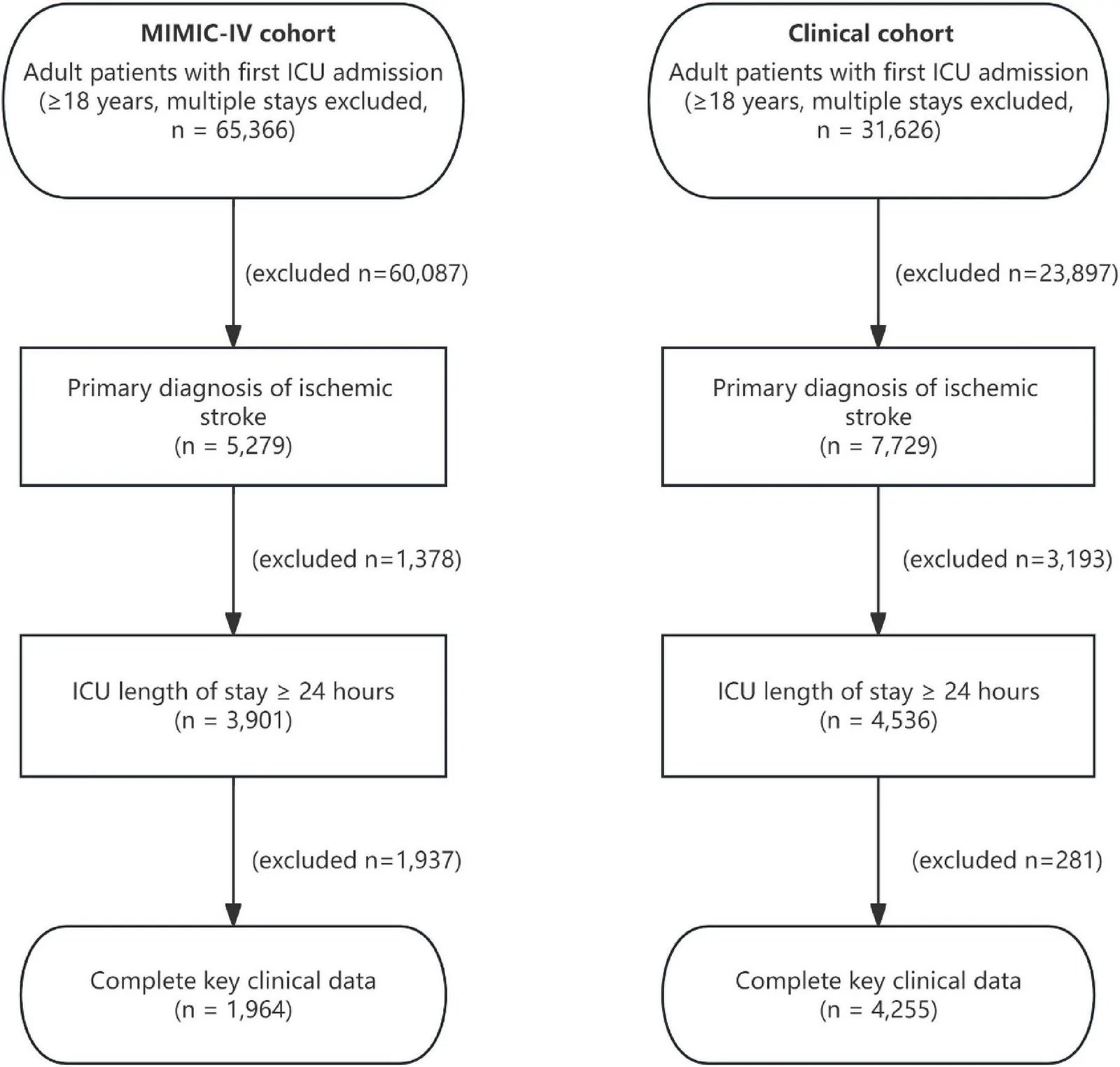
In a retrospective study of 1,964 critically ill ischemic stroke patients from the MIMIC-IV database, researchers analyzed whether baseline statin therapy altered all-cause mortality. The authors also evaluated an external validation cohort of 4,255 intensive care unit patients. Statin use was associated with lower mortality rates at 30 days (16.8% versus 33.4%) and at one year (30.8% versus 40.7%). Time-dependent analyses revealed the strongest protection immediately post-admission, reflecting a 74.1% risk reduction on day one that waned over 365 days. Researchers observed a significant statin-dementia interaction (adjusted hazard ratio 0.548), indicating a 45.2% mortality risk reduction for dementia patients, with a number needed to treat of 7 versus 13 for non-dementia patients.
Why it matters
Ischemic stroke and dementia frequently co-occur in aging populations. Demonstrating that pre-existing statin therapy tracks with improved post-stroke survival, especially in patients with neurodegenerative decline, points to vascular and neuroprotective interactions relevant to late-life critical illness.
Caveats
Both cohorts were retrospective and observational, meaning unmeasured confounders may remain. Additionally, administrative coding in MIMIC-IV could not fully differentiate pre-existing dementia from acute post-stroke cognitive changes, and the statin-dementia interaction did not reach statistical significance in the external validation cohort.
The paper
Zhejiang University
Frontiers in Aging Neuroscience · 15 Sep 2026