Ramadan fasting induces respiratory sarcopenia in older men
In a study of 53 older men and 48 older women, fasting reduced expiratory muscle strength and worsened neuromuscular markers only in male participants.
European Journal of Applied Physiology
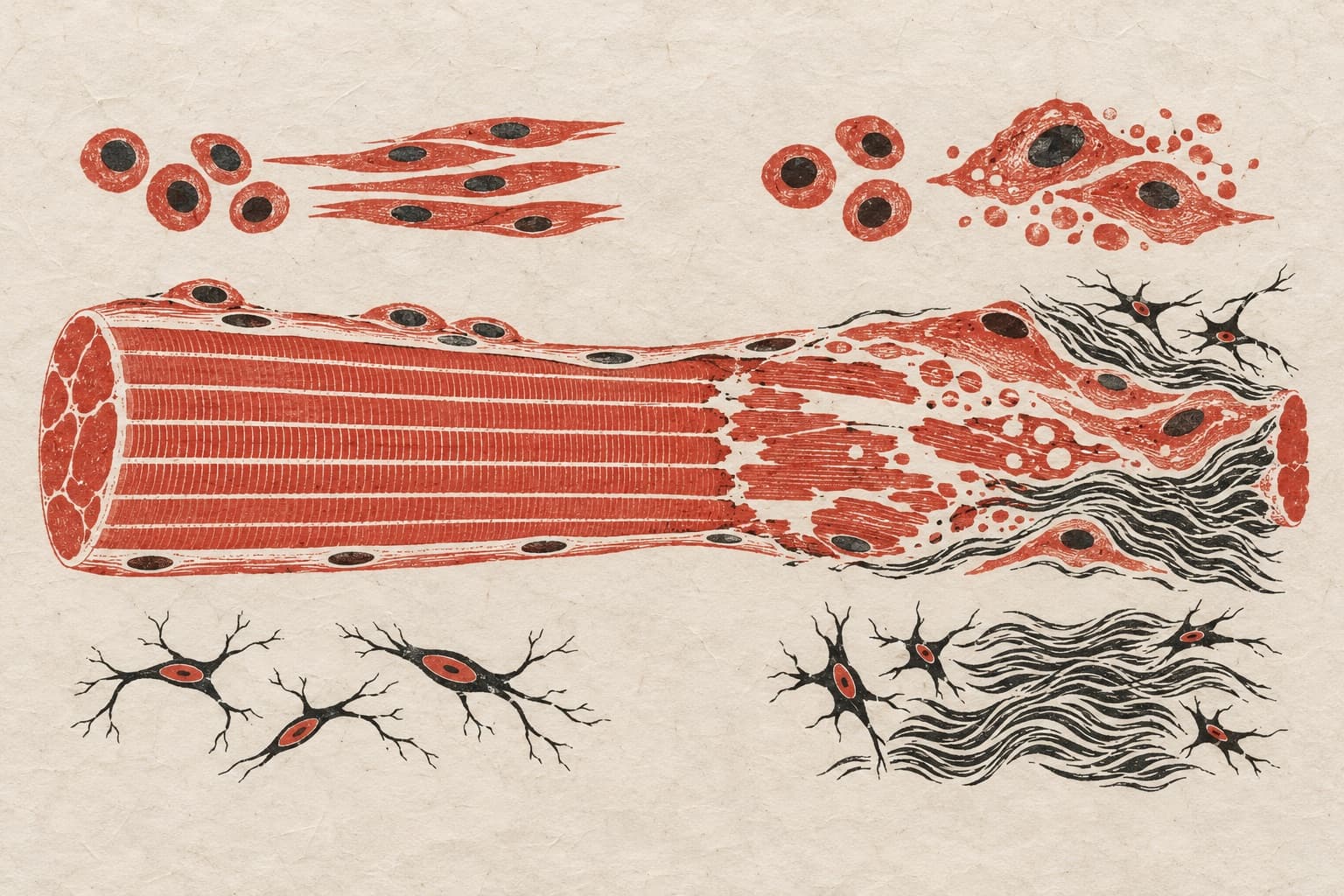
Researchers studied 53 older men and 48 older women observing Ramadan to evaluate its impact on respiratory sarcopenia and neuromuscular junction health. The team measured maximal expiratory pressure and peak expiratory flow rate. They also tracked plasma markers of neuromuscular junction integrity, namely c-terminal agrin fragment-22, alongside neuronal health markers neurofilament light chain and brain-derived neurotrophic factor. Assessments occurred one week prior to Ramadan and again on days 14 and 28 of fasting.
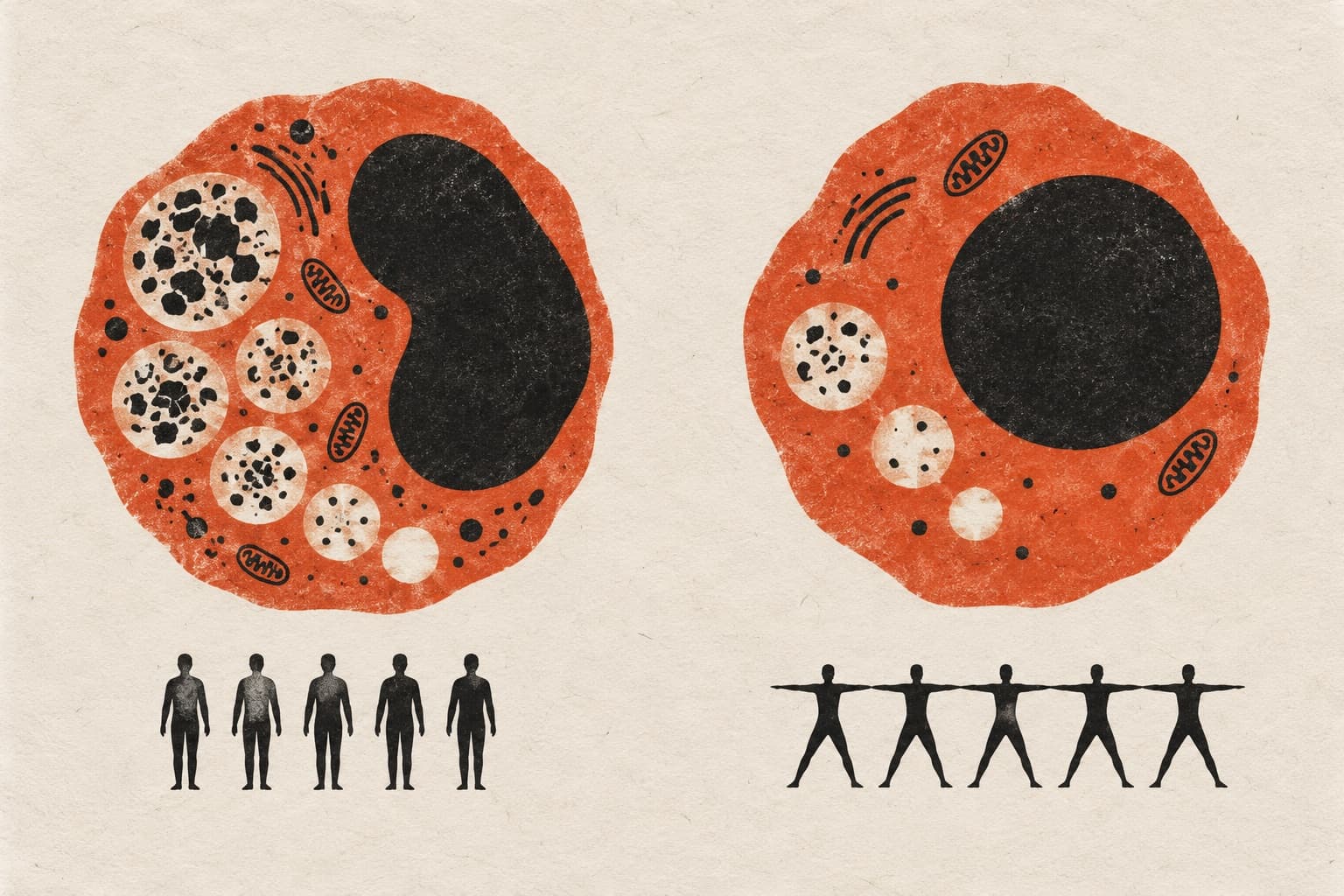
By day 28 of Ramadan, men showed lower maximal expiratory pressure compared to their pre-fasting values. In contrast, women did not show these declines. The authors concluded that Ramadan fasting induces respiratory sarcopenia in older men, but not in older women, by adversely affecting the nervous system and the neuromuscular junction.
Why it matters
Respiratory muscle decline impairs breathing function during aging. These findings indicate that intermittent fasting regimens can elicit sex-specific vulnerabilities in neuromuscular maintenance.
Caveats
The study was observational with a modest sample size. In addition, the exact mechanisms driving the differing outcomes between older men and women remain to be determined.
The paper
University of Sharjah
European Journal of Applied Physiology · 28 Sep 2026