Mild caloric restriction accelerates atherosclerosis in mice
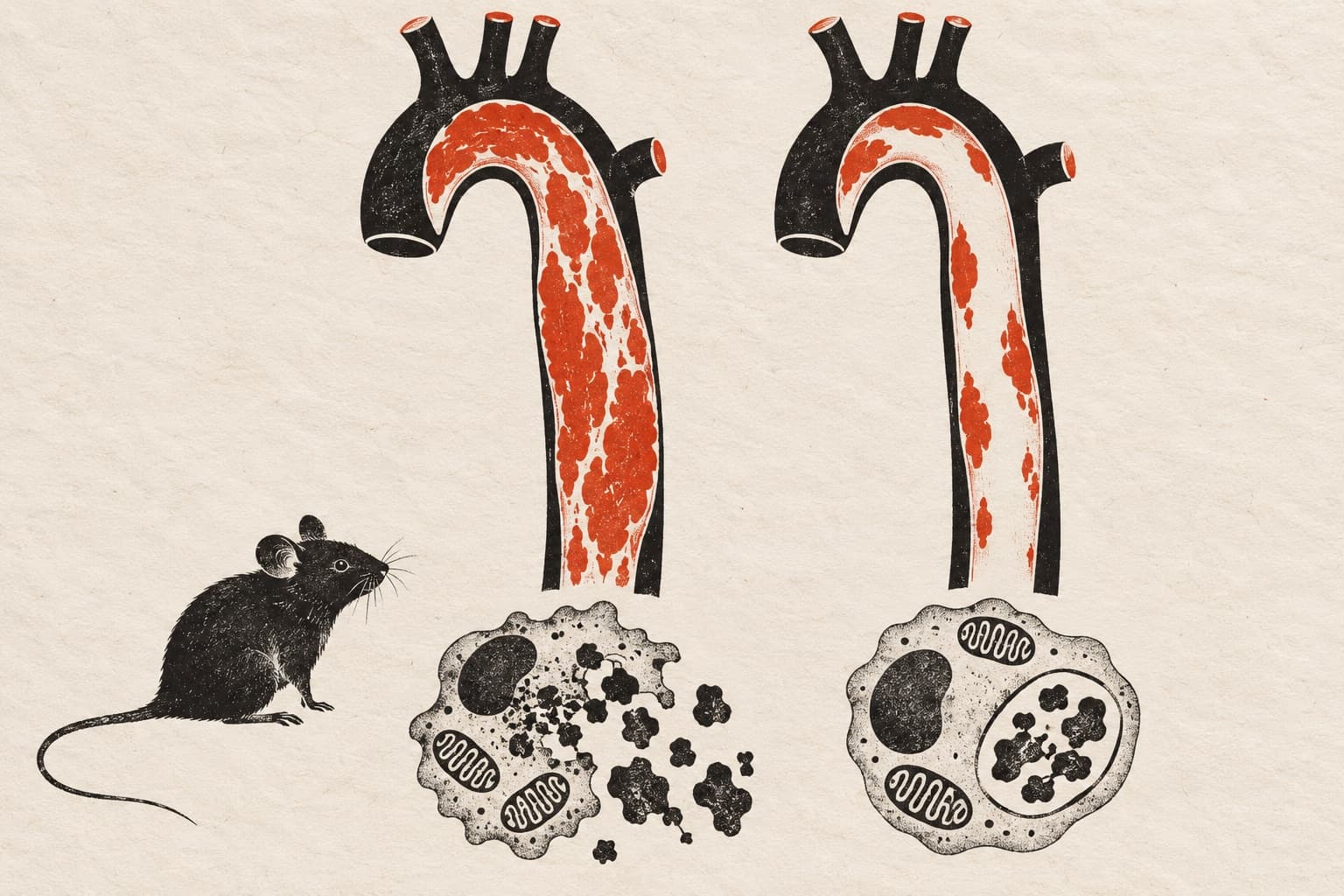
In ApoE-deficient mice fed for six months, mild food restriction reduced weight gain by 5% but increased circulating cholesterol and accelerated plaque formation.
JCI Insight
In ApoE-deficient mice, mild food restriction designed to reduce body-weight gain by 5% accelerated atherosclerosis over a six-month period. Researchers placed mice on either a standard chow diet or a high-cholesterol, high-fat diet. While the mild dietary restriction improved insulin sensitivity by lowering blood glucose and triglyceride concentrations, it raised circulating cholesterol levels.
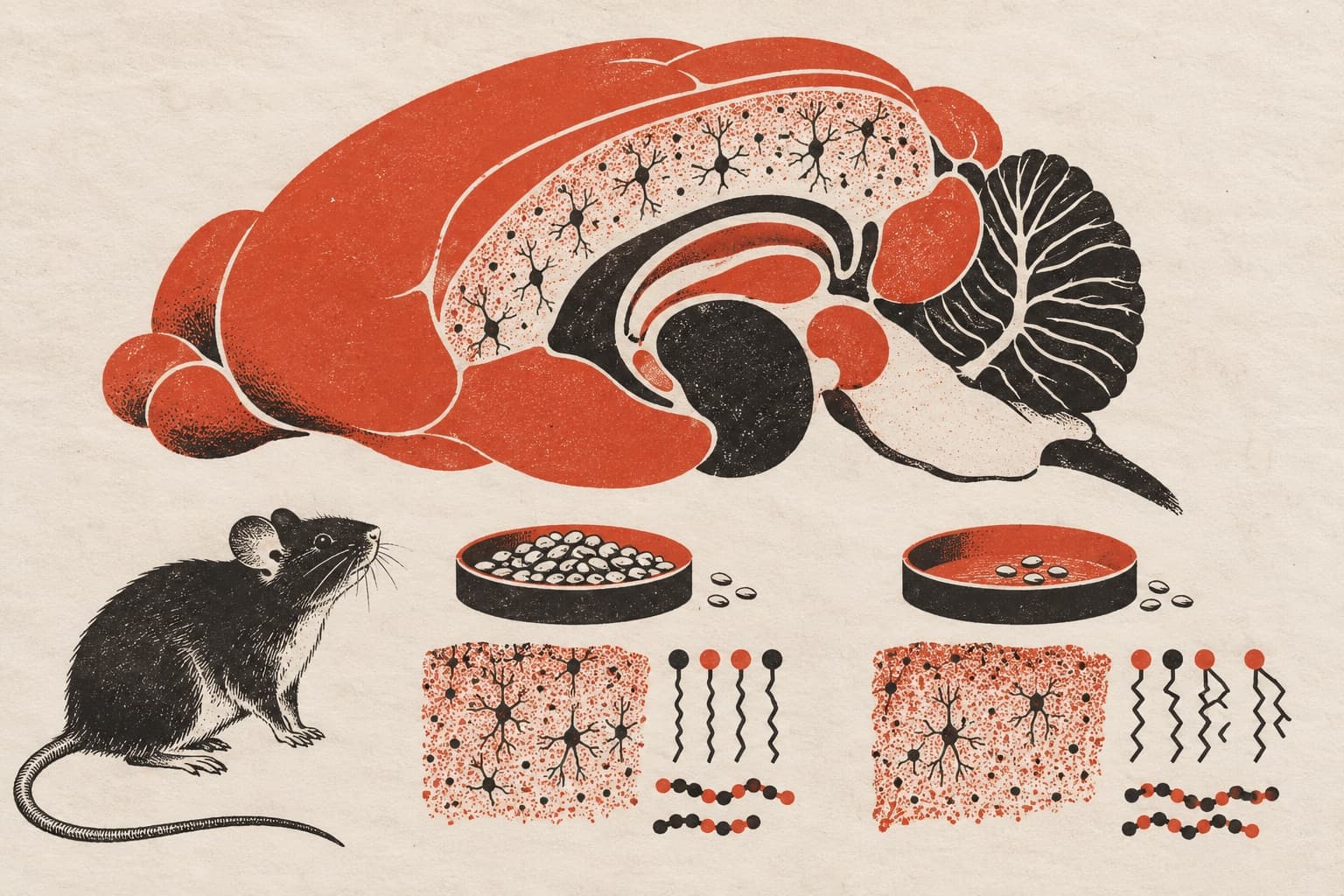
Restricted mice fed the high-fat diet developed larger and more numerous arterial plaques than unrestricted controls. These plaques exhibited larger necrotic cores, thinner fibrous caps, elevated intima-to-media ratios, and increased infiltration of inflammatory cells. Similar pro-atherogenic changes appeared in chow-fed mice undergoing mild restriction. Hepatic lipid profiling revealed increased free cholesterol alongside pro-atherogenic ceramides, sphingomyelins, and cholesterol esters, producing a CERT1 cardiovascular risk score of 8.1 that matched lipid signatures observed in human diabetic cardiovascular patients.
Why it matters
Caloric restriction is widely studied as an intervention to improve metabolic health and longevity, but these findings show it may paradoxically worsen vascular pathology during hypercholesterolemia. Understanding how nutrient restriction alters hepatic lipid remodeling could help clarify why weight loss yields mixed cardiovascular outcomes in certain clinical populations.
Caveats
The findings are limited to ApoE-deficient mice, an animal model engineered for severe hypercholesterolemia, and may not fully reflect lipid responses in wild-type animals or humans.
The paper
Medizinische Hochschule Hannover
JCI Insight · 22 Sep 2026