Puerarin-loaded nanoparticles improve bone mass in mice
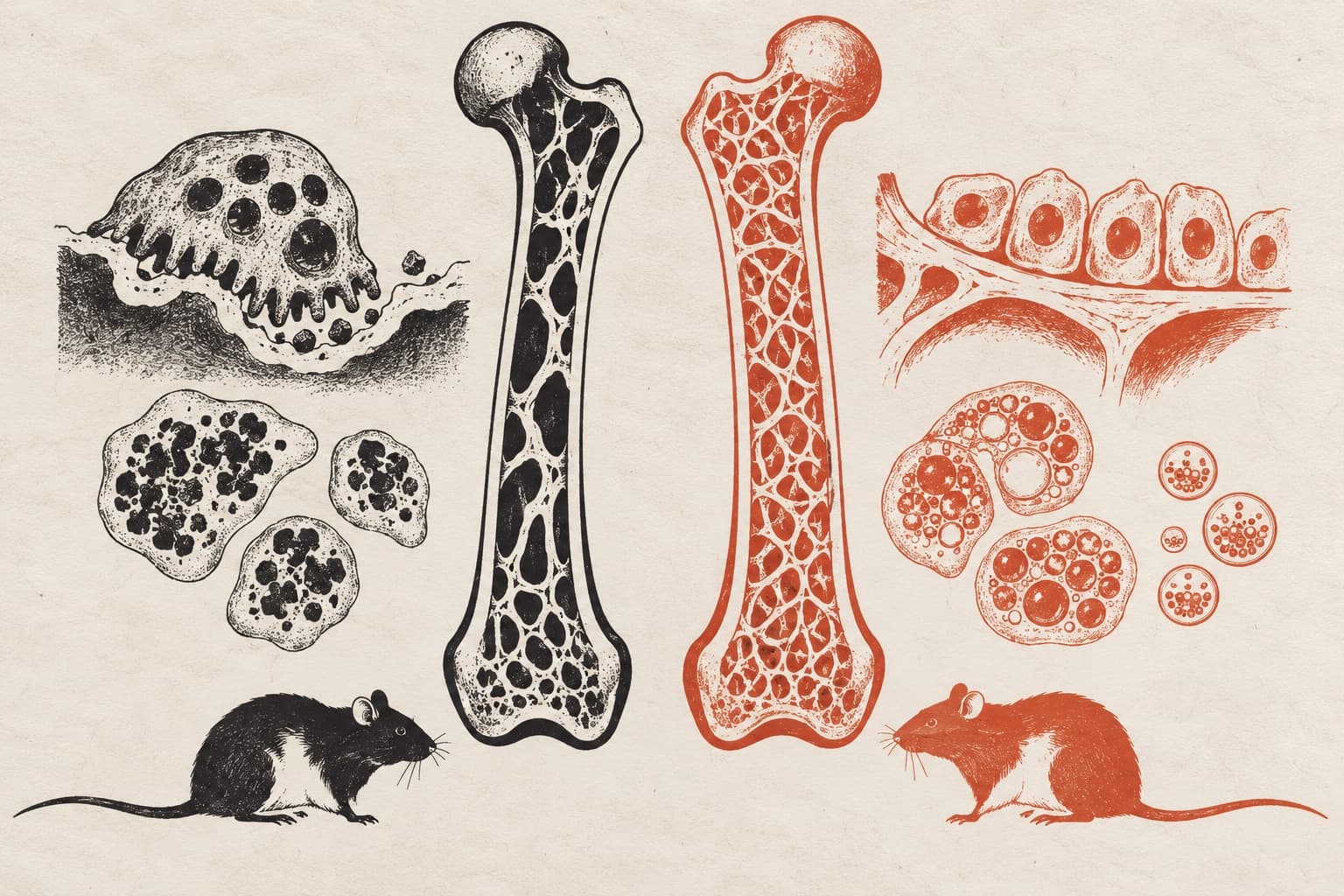
In ovariectomized mice, six weeks of treatment with pH-responsive puerarin nanoparticles restored trabecular bone architecture and increased bone mineral density.
Advanced Science
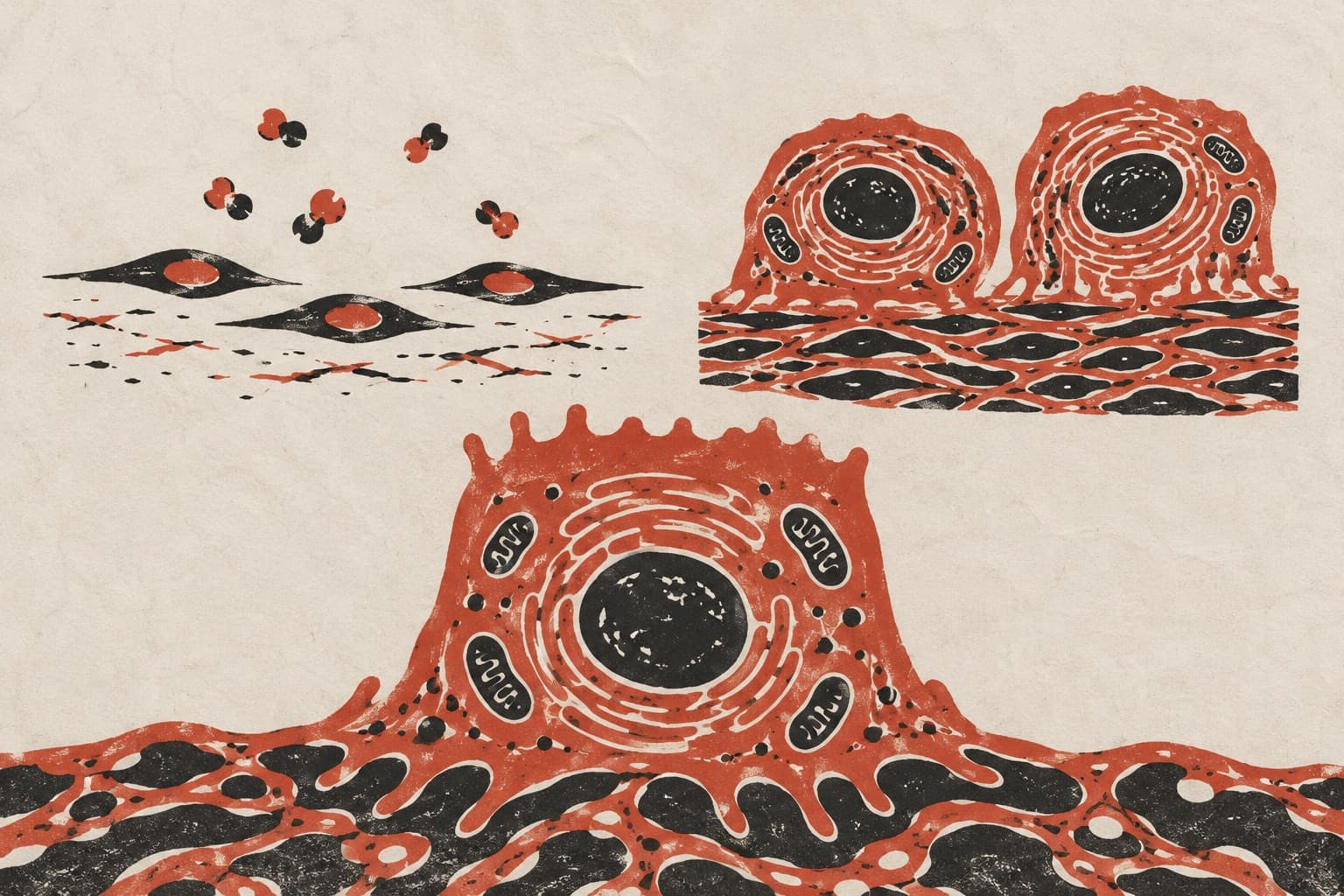
In ovariectomized mice, researchers tested whether pH-responsive ZIF-90 nanoparticles loaded with puerarin could mitigate bone loss. The metal-organic framework was designed to break down in acidic microenvironments to trigger puerarin release. In cell experiments, the nanoparticles inhibited the differentiation of bone marrow-derived macrophages into osteoclasts while promoting the osteogenic differentiation of mesenchymal stem cells. Six weeks of nanoparticle treatment in mice restored trabecular architecture, increased bone mineral density, and improved bone mechanical strength more effectively than free puerarin, without detectable toxicity. Mechanistically, the intervention increased lactate levels and histone H3K18 lactylation while downregulating NFATc1 signaling. Silencing lactate dehydrogenase A in mice and cells reduced H3K18 lactylation and attenuated the structural and anti-osteoclastic benefits.
Why it matters
Osteoporosis involves excessive bone resorption that impairs skeletal integrity with age. These findings suggest that microenvironment-responsive nanomedicines can alter epigenetic marks like histone lactylation to rebalance osteoclast and osteoblast activity.
Caveats
The findings are limited to an ovariectomized mouse model and in vitro cell cultures, which may not fully reflect age-related osteoporosis in humans. Additionally, the single-cell RNA sequencing analysis was descriptive and used marrow samples from only one mouse per group.
The paper
Tongji University · Department of Orthopedic Trauma Haimen People's Hospital of Jiangsu Province Haimen People's Republic of China
Advanced Science · 27 Sep 2026 · CC BY