Systemic inflammatory indices and lung cancer risk by smoking and alcohol use in Korean men: A secondary dataset analysis of the Korean Cancer Prevention Study-II
Declared no competing interests
Abstract
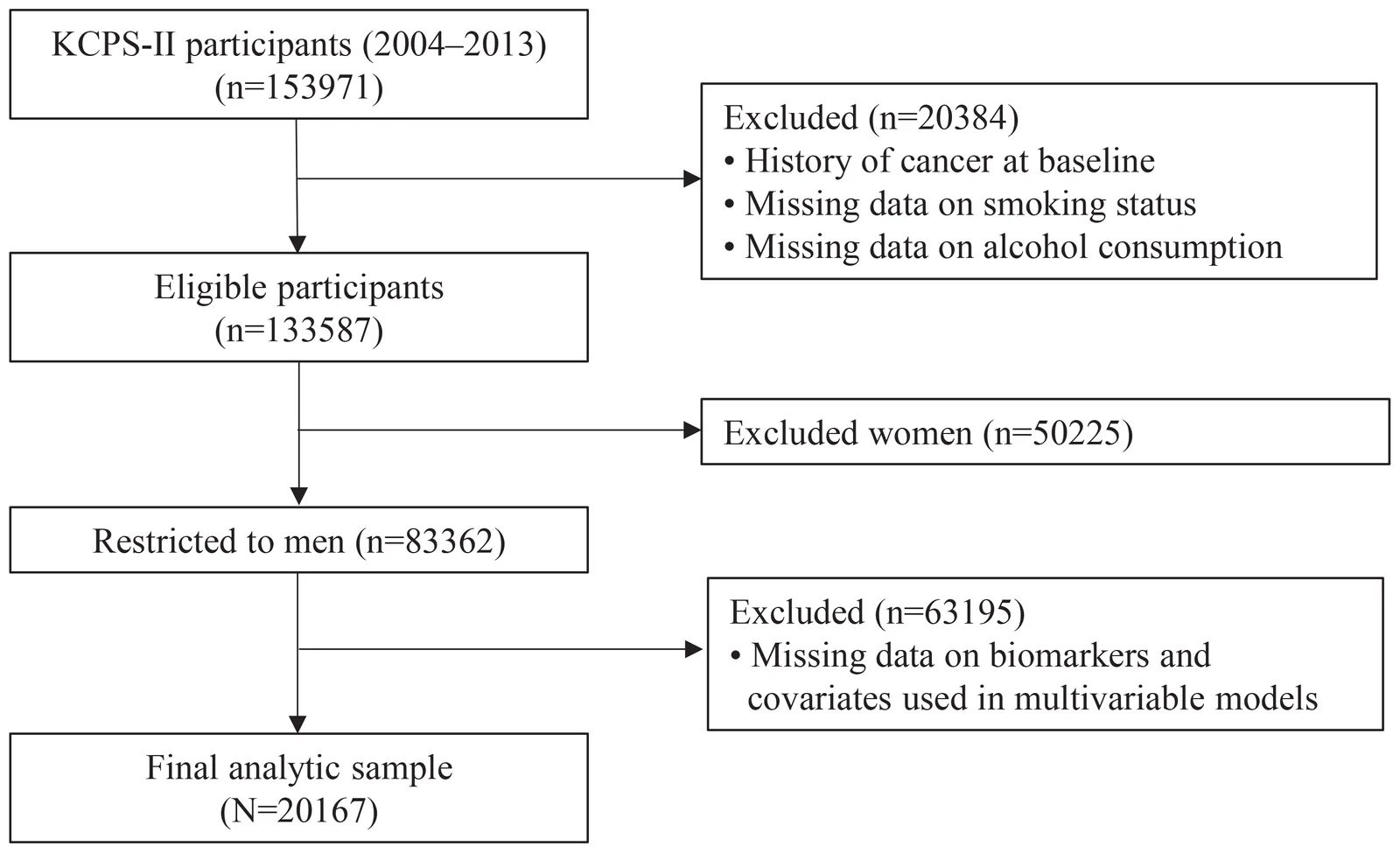
INTRODUCTION: Systemic inflammation has been implicated in cancer development, but prospective evidence regarding its association with lung cancer risk remains limited. This study evaluated the associations of systemic immune-inflammation index (SII) and neutrophil-to-lymphocyte ratio (NLR) with lung cancer risk according to smoking status, alcohol drinking status, and their combined exposure patterns in Korean men. METHODS: This secondary dataset analysis utilized data from the Korean Cancer Prevention Study-II (KCPS-II), a nationwide prospective cohort. Among 20167 men, 236 incident lung cancer cases were identified during a median follow-up of approximately 14 years. Adjusted hazard ratios (AHRs) for lung cancer per 1 standard deviation (SD) increase in SII and NLR were estimated using multivariable Cox proportional hazards models adjusted for demographic, lifestyle, liver function, and endogenous antioxidant biomarkers. Analyses were performed in the overall population and stratified by smoking and alcohol status, including concurrent current smokers and drinkers. RESULTS: Higher SII and NLR were associated with increased lung cancer risk in Korean men, with consistent associations observed among current smokers, current drinkers, and individuals with concurrent current smoking and drinking. In combined exposure analyses, substantially elevated risks were observed among current smokers with high inflammatory marker levels (SII: AHR=3.58; 95% CI: 2.51-5.09; NLR: AHR=3.78; 95% CI: 2.65-5.39). SII showed the strongest association among individuals smoking ≥30 cigarettes/day (AHR=1.39; 95% CI: 1.21-1.60). CONCLUSIONS: Systemic inflammatory markers, particularly SII, were associated with lung cancer risk in Korean men, with stronger associations observed among current smokers. These findings suggest that systemic inflammatory status may help identify individuals at elevated risk of smoking-related lung cancer.
From the paper
- Participants
A total of 20167 men were included in the analysis, with a mean age of 46.63 years (SD=10.12) and a mean body mass index of 24.63 kg/m² (SD=2.82).
- Follow-up
The median duration of follow-up was 14.0 years (interquartile range, IQR: 13.3–14.5).
- Limitation
First, SII and NLR were assessed using single baseline measurements, which do not account for temporal changes or variability over the follow-up period.
Quoted word for word from the full text on PubMed Central.