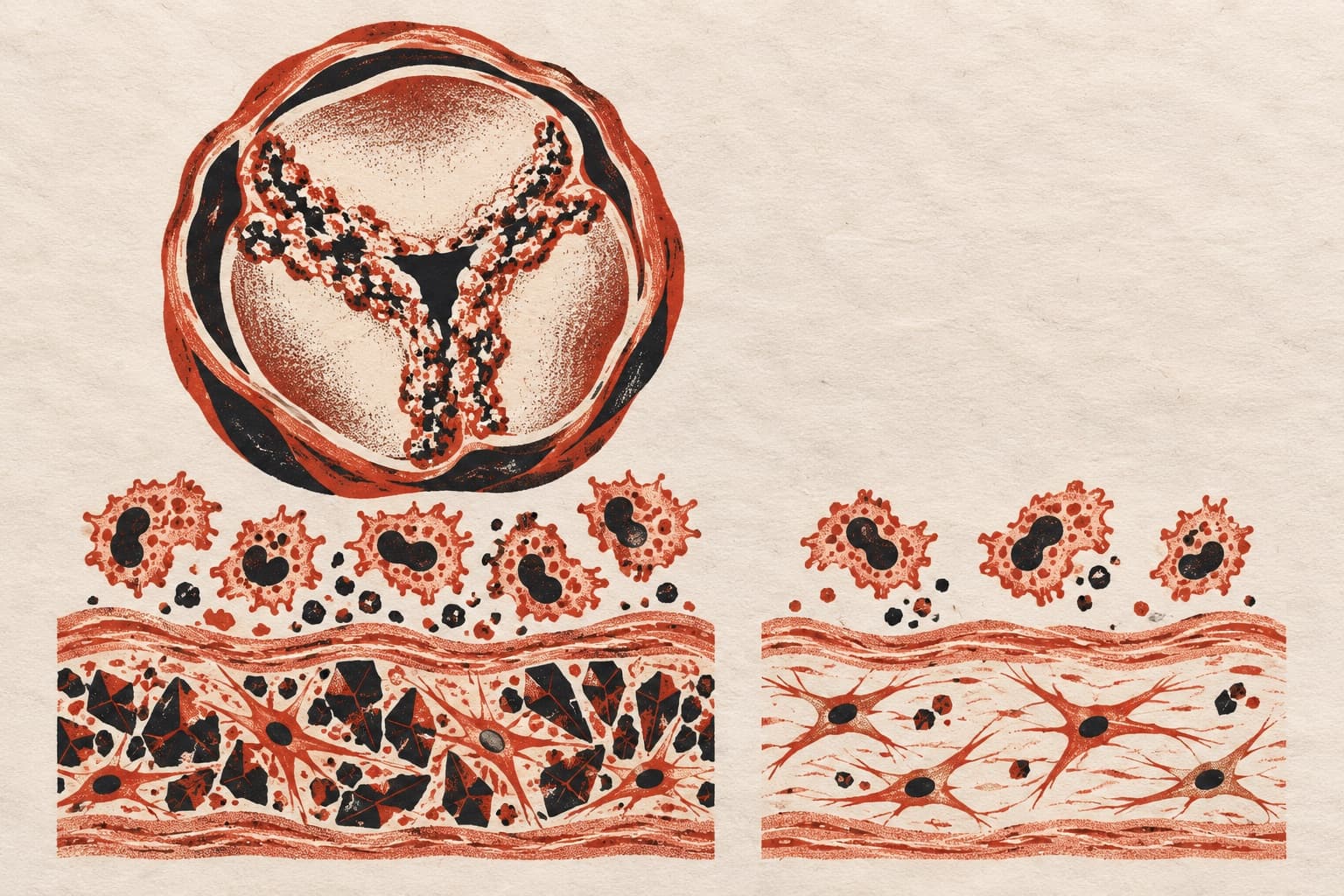
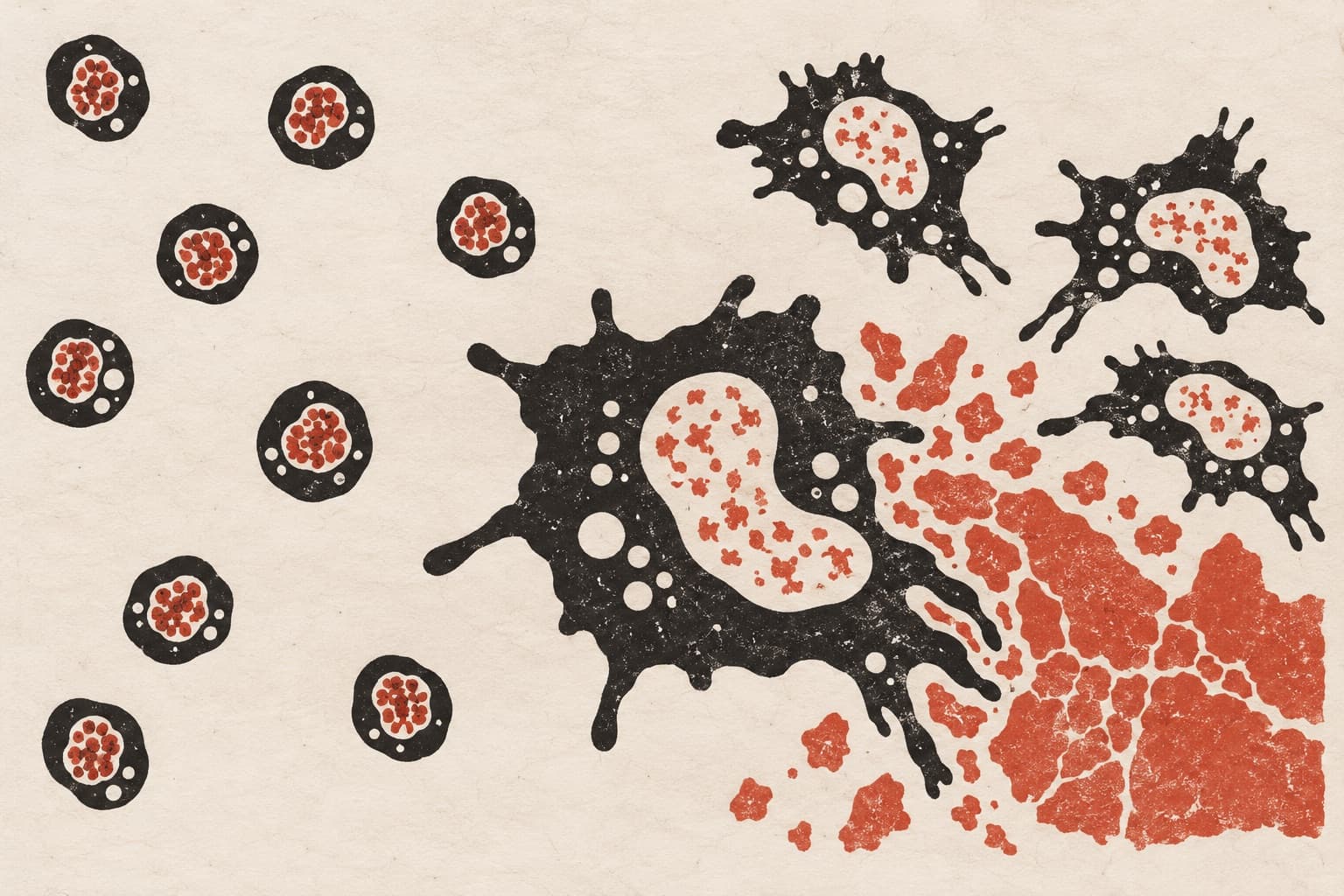
ASXL1 clonal hematopoiesis is linked to lung cancer risk
In population cohorts, high variant allele fraction ASXL1 mutations were associated with an increased lung cancer hazard ratio of 3.2 among ever-smokers.
Journal of Thoracic Oncology
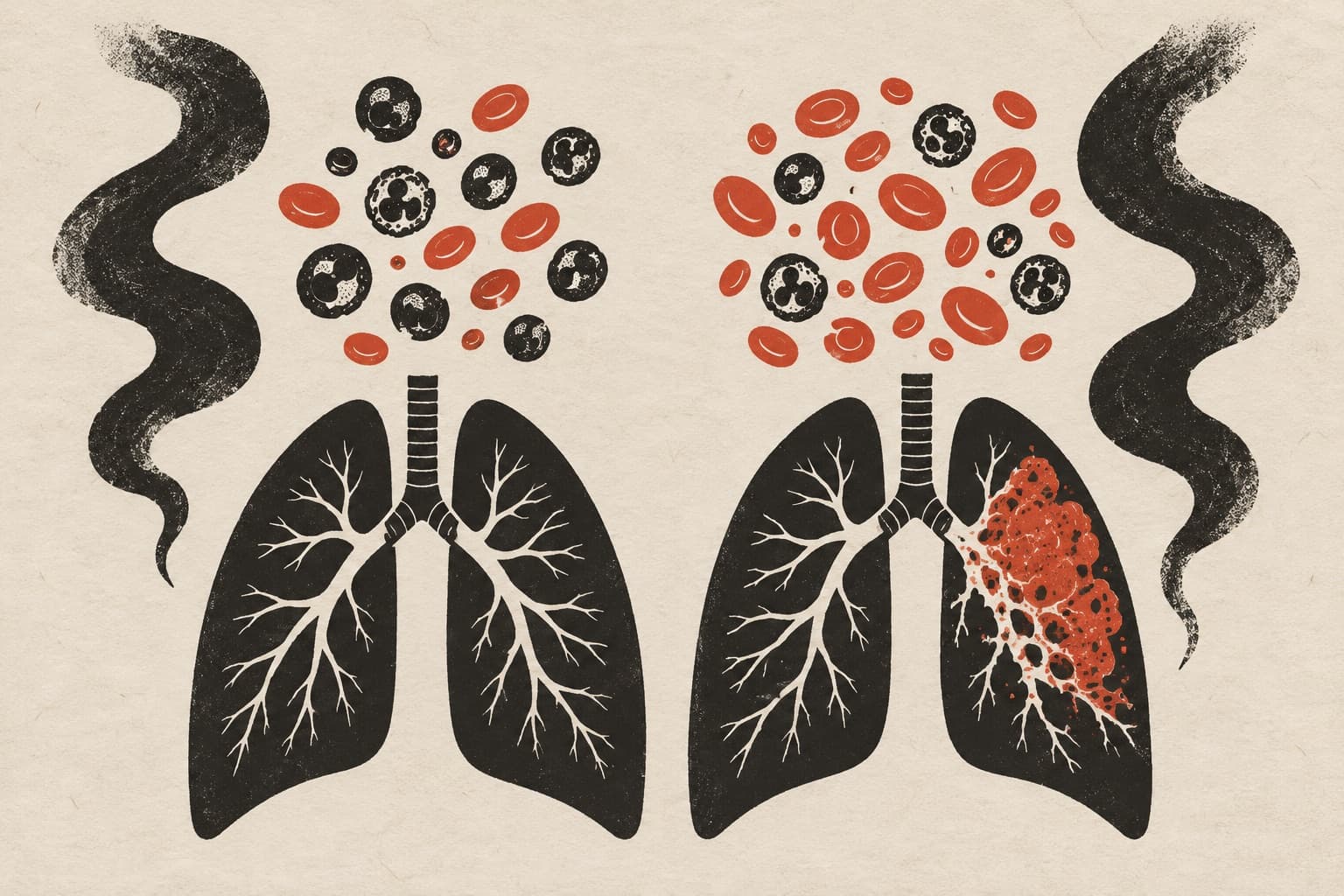
In human cohorts, researchers evaluated gene-specific clonal hematopoiesis of indeterminate potential (CHIP) across 19 common solid cancer types using the UK Biobank and All of Us databases. They found that links between CHIP and solid tumors were cancer-type specific, with lung cancer exhibiting the strongest association. This link was largely driven by ASXL1-mutant clones. Specifically, high variant allele fraction ASXL1 was associated with an increased risk of lung cancer, displaying a hazard ratio of 3.2. This relationship remained robust after adjusting for age, sex, body mass index, smoking status, and genetic ancestry. ASXL1 CHIP was substantially enriched among smokers, and its association with lung cancer risk was restricted to ever-smokers. The enrichment of ASXL1 CHIP in lung cancer was further validated in two independent cancer cohorts, MSK-IMPACT and TCGA.
Why it matters
Clonal hematopoiesis is an age-associated expansion of somatic blood mutations, and the findings suggest that specific mutant clones may interact with environmental exposures to influence solid tumor risks. This highlights a potential role for gene-specific metrics in age-related cancer risk stratification.
Caveats
Because the study relies on observational cohort data, it cannot establish whether ASXL1-mutant clones directly promote lung carcinogenesis or reflect shared underlying damage. In addition, the association was restricted to ever-smokers and high variant allele fraction clones.
- Smoking
- ASXL1 clonal hematopoiesis
- Lung cancer
- High variant allele fraction ASXL1
- Clonal hematopoiesis of indeterminate potential
- Humans
The paper
Baylor College of Medicine
Journal of Thoracic Oncology · 28 Sep 2026