Protein improved brain metabolism and memory in aging mice
Weekly protein injections over 4–8 weeks improved brain energy use and learning in mice carrying a human Alzheimer’s risk gene variant, with some sex differences.
Our read
Interventions- Studied:
- Preprint: experiments in middle-aged and aged ApoE4 mice, 4-8 weeks, against male controls
- What changed:
- Male mice performed better in an object-recognition memory test than male controls
- Why it’s aging research:
- It measures an outcome that worsens with age.
Editor of record: Boris Djordjevic · AgingResearch.News
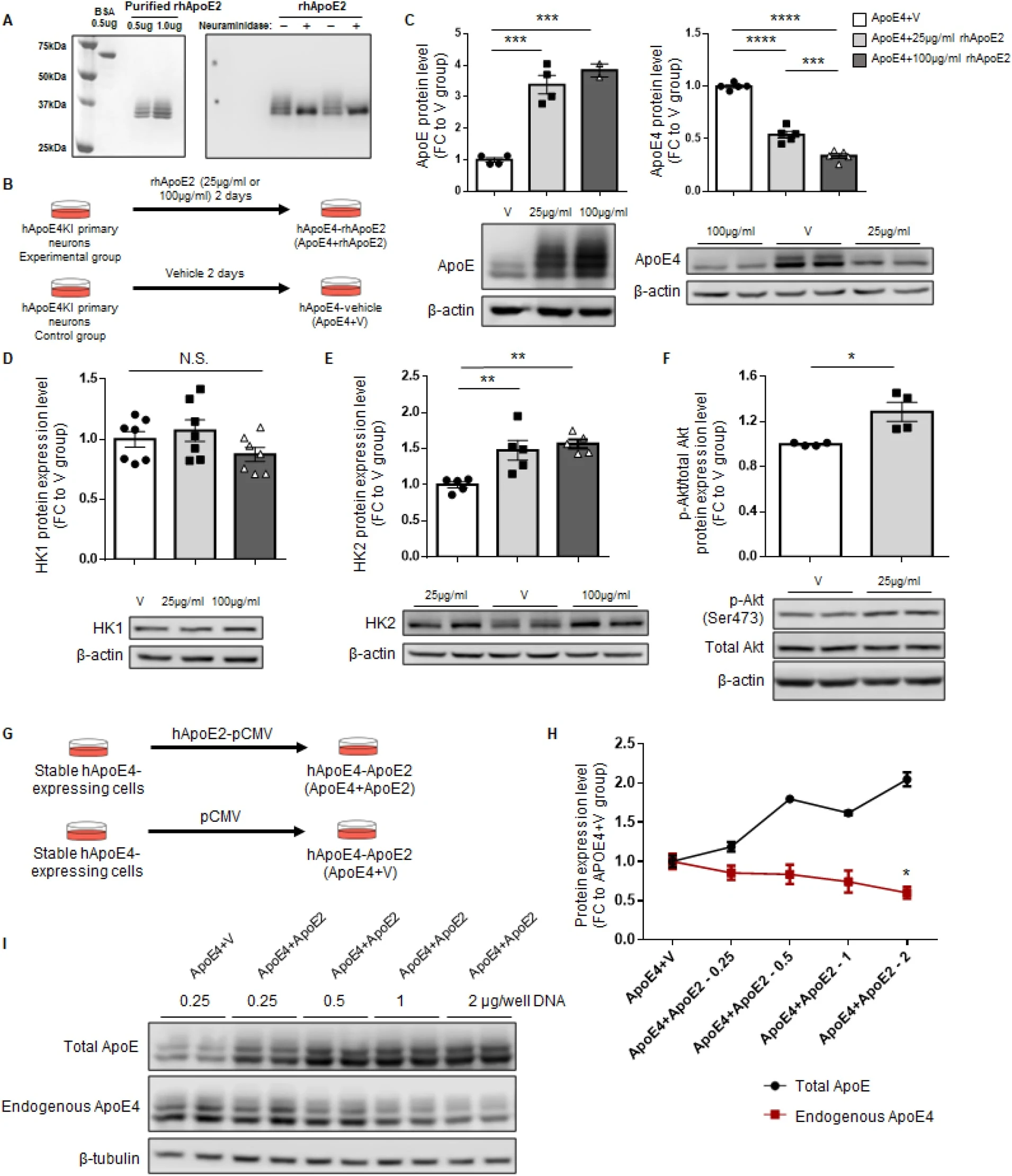
Male and female mice carrying human APOE4, a gene variant linked to late-onset Alzheimer’s disease, received weekly intravenous injections in an animal experiment. Researchers paired laboratory-made human ApoE2 protein with a molecule that temporarily made the brain’s protective blood-vessel barrier easier to cross. Mice aged 15–18 months received injections for four weeks; those aged 20–21 months received them for eight weeks.
The combination enhanced brain energy metabolism and changed brain fat composition, with some effects differing by sex. After eight weeks, isolated nerve endings from males broke down sugar faster than those from male controls. Male mice also performed better in an object-recognition memory test than male controls. Females did not improve on either measure.
Why it matters
APOE4 is the strongest genetic risk factor for late-onset Alzheimer’s disease, while APOE2 is protective. The authors see preliminary potential for a treatment using a brain-like form of ApoE2.
Caveats
These experiments in genetically modified mice do not establish benefits or safety in people. The findings come from a preprint that has not been peer-reviewed.
The paper
University of Kansas
bioRxiv, Aug 4, 2026, Open access, Preprint, not yet peer-reviewed

Comments
Be the first to comment.