Reducing a protein lowered inflammatory signals in human disc cells
Experiments using cells from four donors found lower activity of inflammatory genes and higher activity of genes associated with the supporting material around cells.
Our read
Mechanisms- Studied:
- Experiments in human cells
- What changed:
- Human disc cells with reduced PHLPP1 had lower activity of genes for inflammatory signals than controls given non-targeting RNA
- The catch:
- Gene-activity analysis used cells from only four donors
- In the record:
- One of 6 papers on PHLPP1 on record: 3 with results in people, 1 in animals.
- Why it’s aging research:
- Old against young, or naturally aged tissue.
Editor of record: Boris Djordjevic · AgingResearch.News
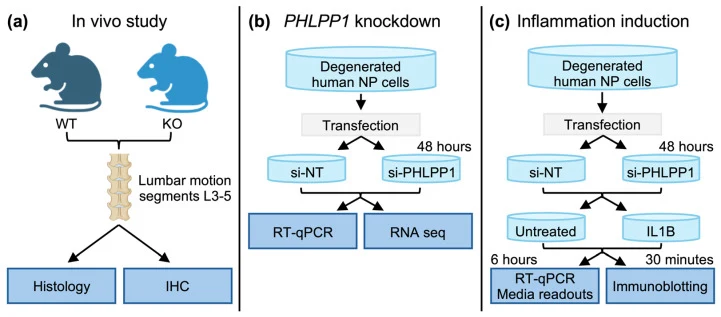
Researchers experimented with human nucleus pulposus cells, which come from the soft center of spinal discs, taken from degenerated discs removed during surgery for back pain. They used targeted RNA molecules to reduce PHLPP1, a protein that regulates cell signaling, and compared the cells with controls given non-targeting RNA. Gene-activity analysis used cells from four donors.
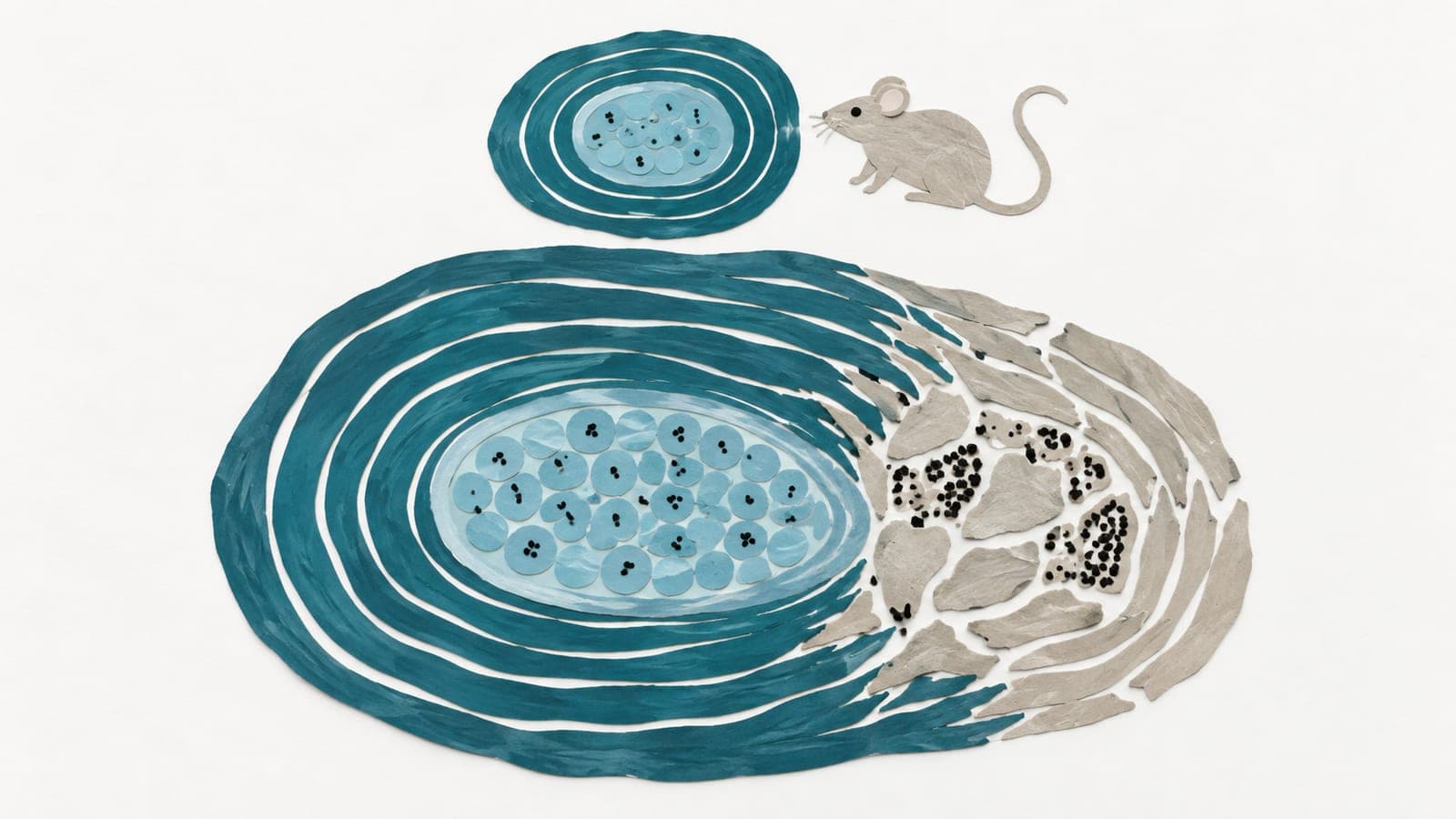
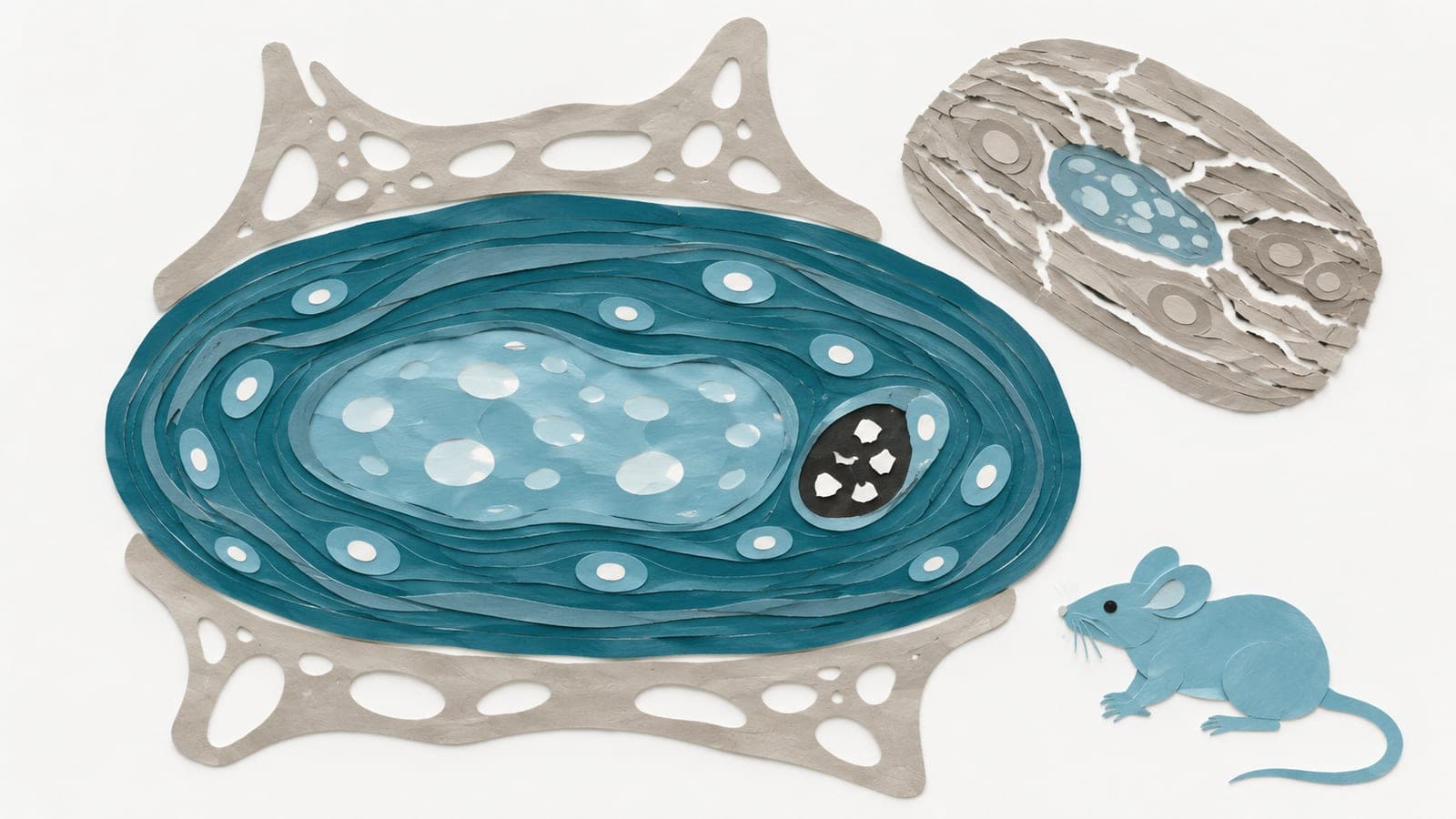
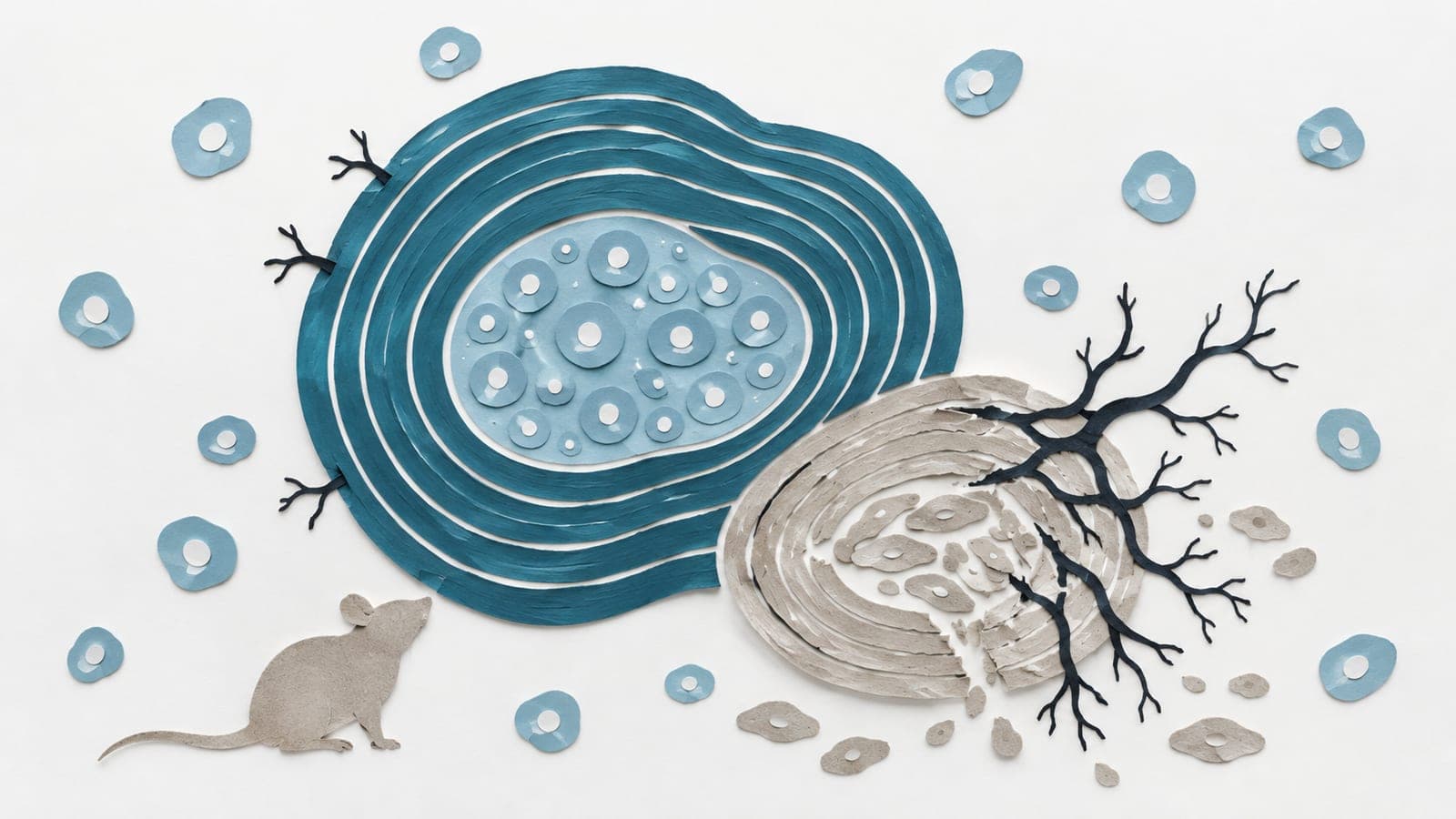
Reducing PHLPP1 lowered activity of genes for inflammatory signals and enzymes that break down the material surrounding cells. It increased activity of genes associated with that material. It also dampened responses to an inflammation-triggering protein. In a separate animal experiment, 20-month-old mice lacking the gene had less disc degeneration and lower levels of inflammatory signals. The protective effects were most apparent in males.
Why it matters
Age-related spinal disc degeneration contributes to low back pain. The authors proposed inhibiting PHLPP1 as a potential way to alter the course of disc degeneration.
Caveats
The human experiments tested cells grown in the lab, not pain relief or disc recovery in people. The mouse analysis excluded animals that died or required euthanasia before 20 months.
The paper
PHLPP1 Regulates Inflammatory Signaling in Degenerated Nucleus Pulposus Cells in Mice and Humans
Emory University; Georgia Institute of Technology
Cells, Jul 29, 2026, Open access
Comments
Be the first to comment.