The nephron as a diseased unit: tubular epithelial programs and the fibrotic niche in CKD
Abstract
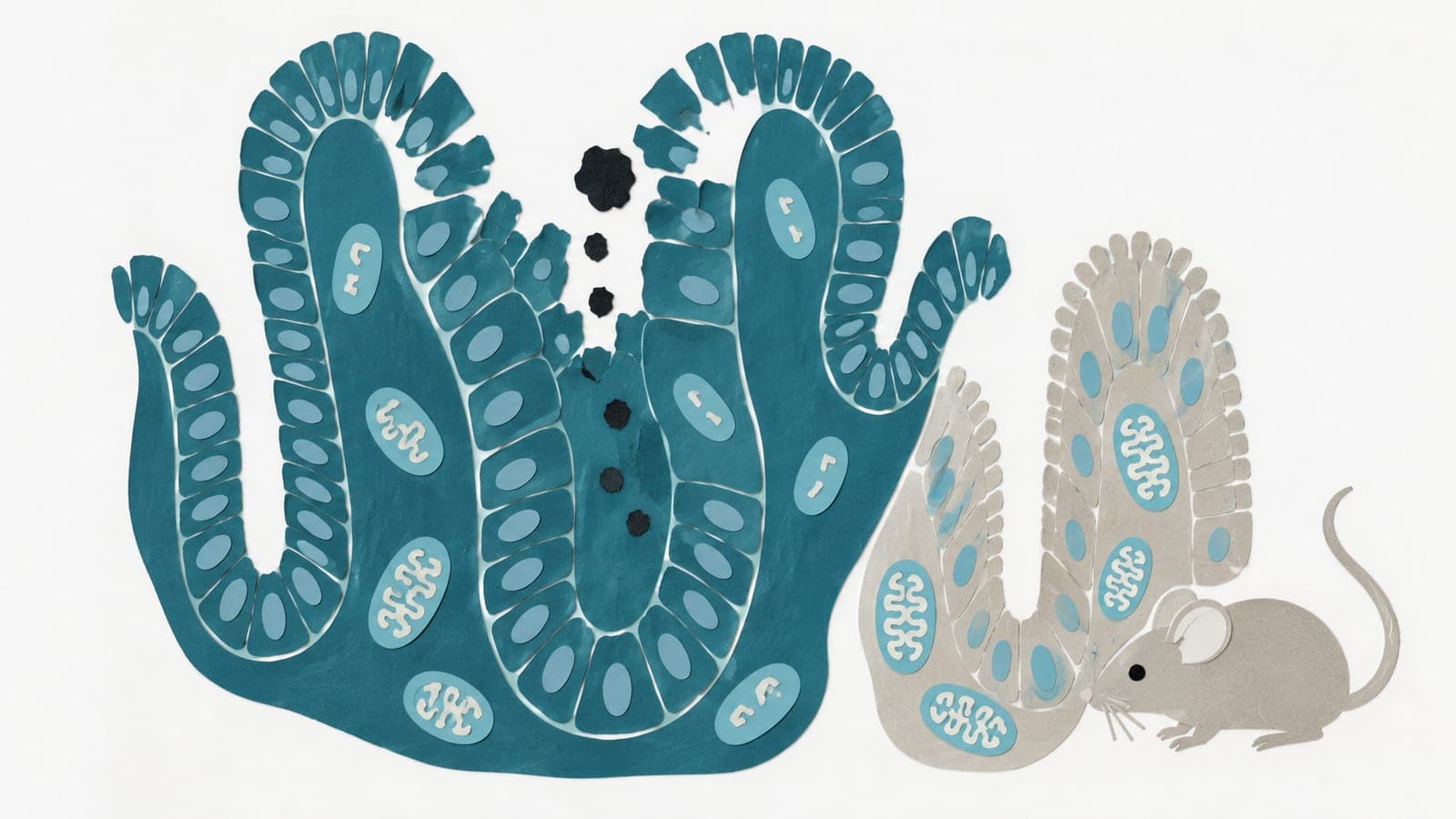
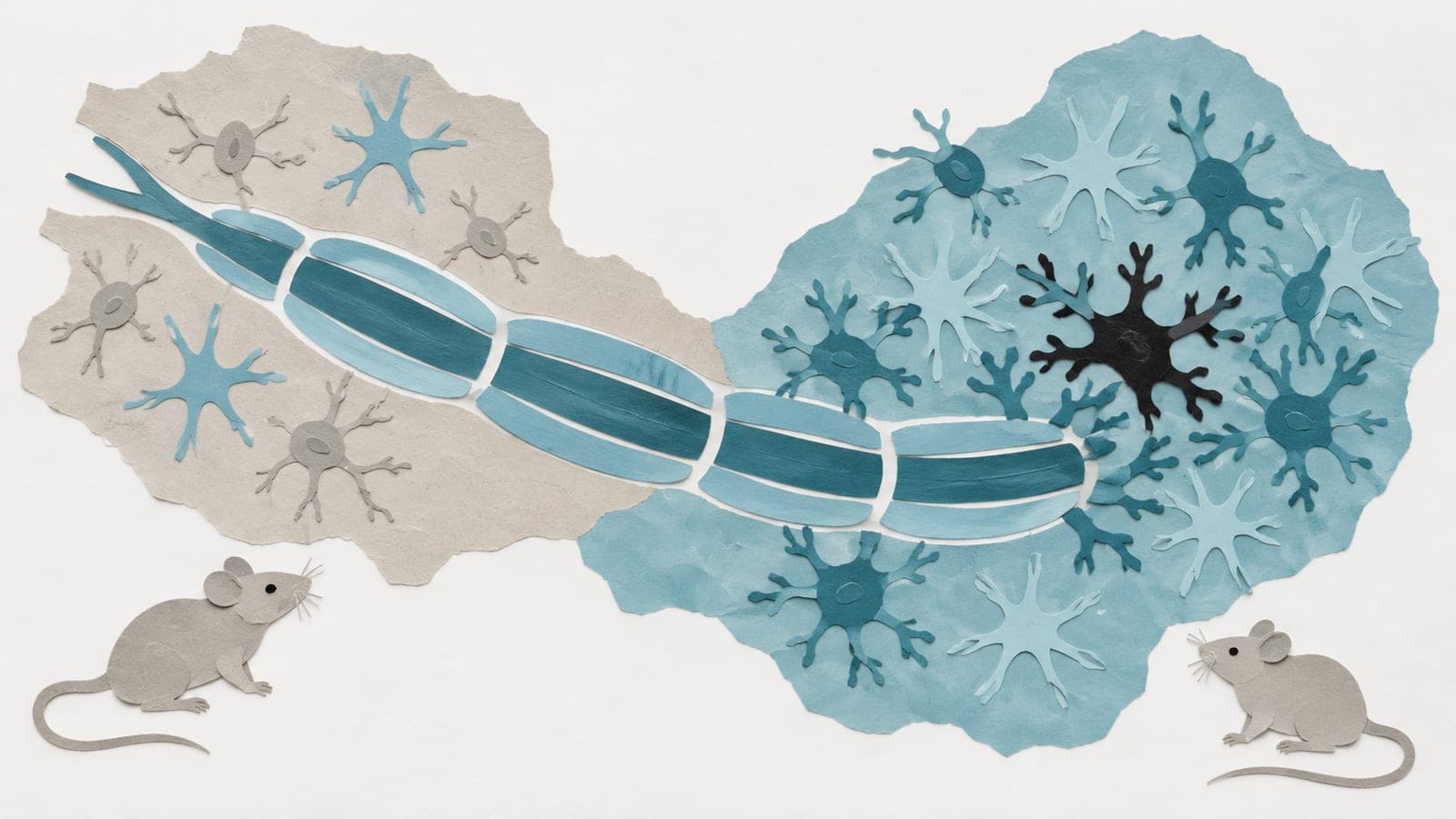
Chronic kidney disease has traditionally been conceptualized through a glomerular lens. However, extensive clinicopathologic data show that tubulointerstitial fibrosis and tubular atrophy are stronger predictors of long-term renal outcome than glomerular lesions, even in conditions historically labeled as glomerular. Recent single-cell and spatial multiomic studies further reveal that tubular epithelial cells in chronically diseased kidneys occupy distinct, tightly regulated states that orchestrate inflammation, metabolic reprogramming, and extracellular matrix remodeling within spatially organized fibrotic niches. In this Review, we propose a whole-nephron framework for chronic kidney disease progression. We revisit the historical dominance of the glomerular paradigm and summarize evidence that tubulointerstitial damage is a principal structural determinant of renal function. We then outline how hemodynamic-hypoxic, metabolic-toxic, and immune-inflammatory insults converge on tubular epithelial cells and the peritubular microvasculature to trigger maladaptive epithelial programs-including cell cycle arrest and senescence, metabolic reprogramming and mitochondrial dysfunction, and sustained inflammatory and profibrotic activation. We describe the tubulointerstitium as a dynamic epithelial-stromal-vascular-immune network in which self-reinforcing fibrotic niches emerge. Finally, we discuss therapeutic and biomarker implications of an integrated, nephron-centric perspective, arguing that disease-modifying strategies will require targeting specific maladaptive tubular programs and their crosstalk with the interstitium, alongside established glomerular-directed therapies.
The paper
Biogem; University of British Columbia
Kidney International, 23 Jul 2026