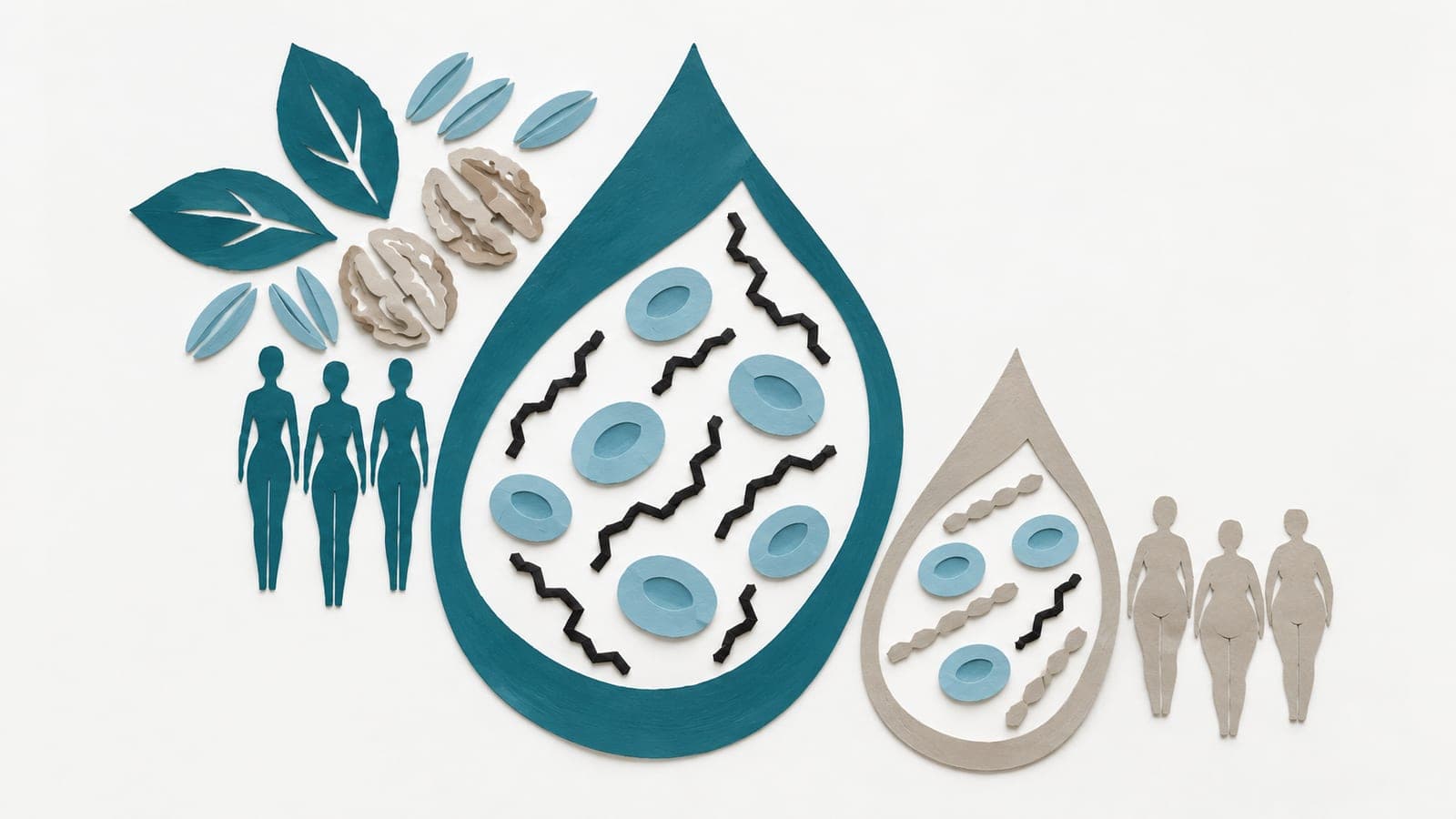
Effectiveness of a community-based nutritional intervention on Mediterranean Diet adherence in rural older adults: A quasi-experimental study
12 months, controlled
Abstract
OBJECTIVE: To evaluate the effectiveness of a community intervention on lifestyle in adherence to the Mediterranean Diet and the metabolic health of a highly vulnerable rural population. DESIGN: 12-Month prospective quasi-experimental study. SETTING: Sparsely populated rural primary care areas in the south of Spain. PARTICIPANTS: 187 adults aged≥65 years, allocated to a Control Group (CG: n=96) and an Intervention Group (IG: n=91). 91.4% reported low socioeconomic status and 85% possessed only primary education or were illiterate. INTERVENTIONS: The IG received personalized nutritional counseling and educational workshops led by community pharmacists, designed to complement standard primary care. The CG received standard care. MAIN MEASUREMENTS: The primary outcome was Mediterranean Diet adherence (MEDAS-14 test). Secondary outcomes included physical activity levels, body mass index, waist circumference, and lipid profiles (total cholesterol, triglycerides, LDL, HDL). RESULTS: Following the 12-month intervention, the IG exhibited a profound behavioral shift: the proportion of participants with high Mediterranean Diet adherence skyrocketed from 51.6% to 92.3%, and those engaging in high physical activity increased almost sixfold (6.6-38.5%). The CG showed no lifestyle improvements. The IG achieved progressive, statistically significant reductions in waist circumference, triglycerides, and LDL-cholesterol (Rosenthal's r≈0.50). CONCLUSIONS: A pharmacist-led intervention effectively overcomes severe health literacy barriers. This task-shifting model induces massive lifestyle changes and mitigates cardiometabolic risk, relieving overburdened rural primary care teams.
- Mediterranean diet
- Nutritional counseling
- Lipid and ceramide metabolism
- Body mass index
- HDL cholesterol
- Humans
The paper
Universidad de Granada
Atencion Primaria, 7 Jul 2026, Open access