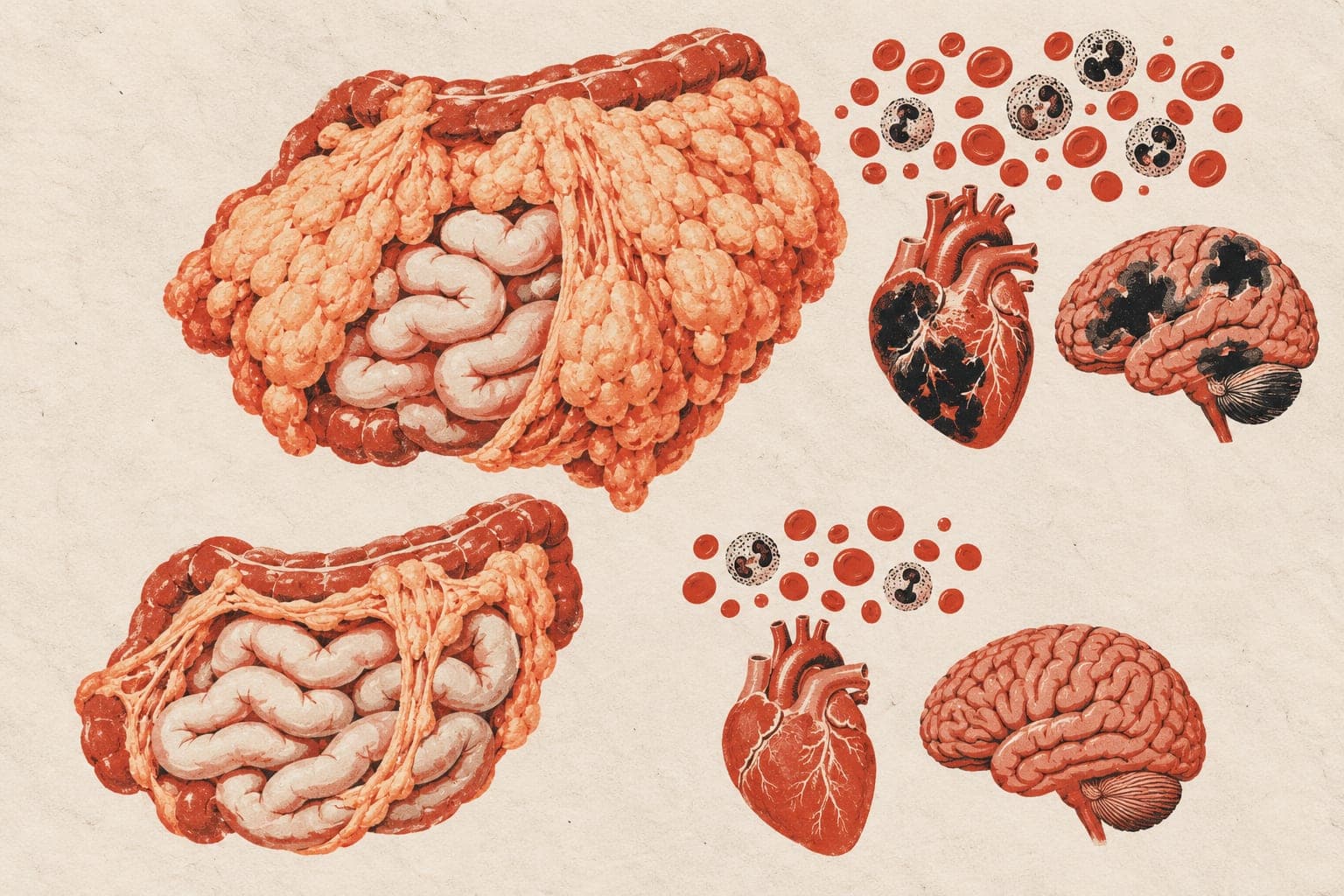
Cholesterol-inflammation index linked to higher diabetes risk
Middle-aged and older Chinese adults with the highest cumulative scores had 2.47 times the odds of developing diabetes compared with those with the lowest.

Dose-response
An observational cohort study followed 5,817 middle-aged and older adults in China between 2011 and 2015. Researchers tracked their cumulative exposure to the remnant cholesterol inflammation index, a measure combining remnant cholesterol, a type of blood fat, with C-reactive protein, a marker of inflammation.
Over the study period, 786 participants developed diabetes. Participants in the highest fourth of cumulative index scores had 2.47 times the odds of developing diabetes compared with those in the lowest fourth. Each one-standard-deviation increase in the cumulative score was associated with a 25% higher risk. The association was positive and non-linear, and it remained consistent across examined subgroups.
Why it matters
Diabetes becomes more common in middle age and later life. Tracking combined measures of blood fats and inflammation over time may help identify individuals at higher metabolic risk.
Caveats
The observational design means the findings show an association and cannot determine whether cumulative exposure causes diabetes. The study included only middle-aged and older adults in China, so the findings may not apply to other populations.
- Inflammation
- Lipid and ceramide metabolism
- Remnant cholesterol
- Remnant cholesterol inflammation index
- C-reactive protein
- Humans
The paper
Liuzhou Traditional Chinese Medical Hospital
Medicine, 9 Oct 2026