Body size and blood fats were less linked at ages 90–100
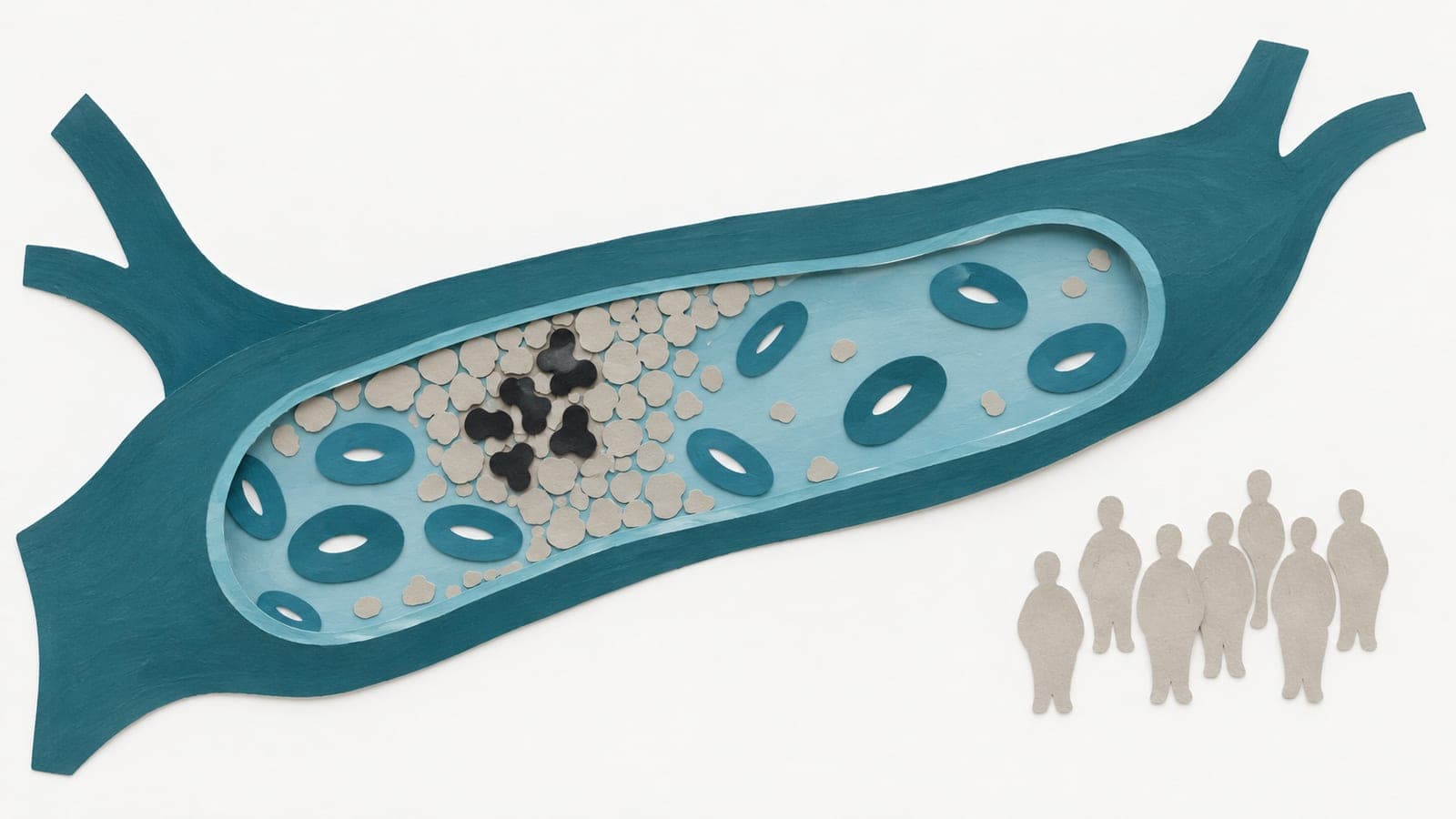
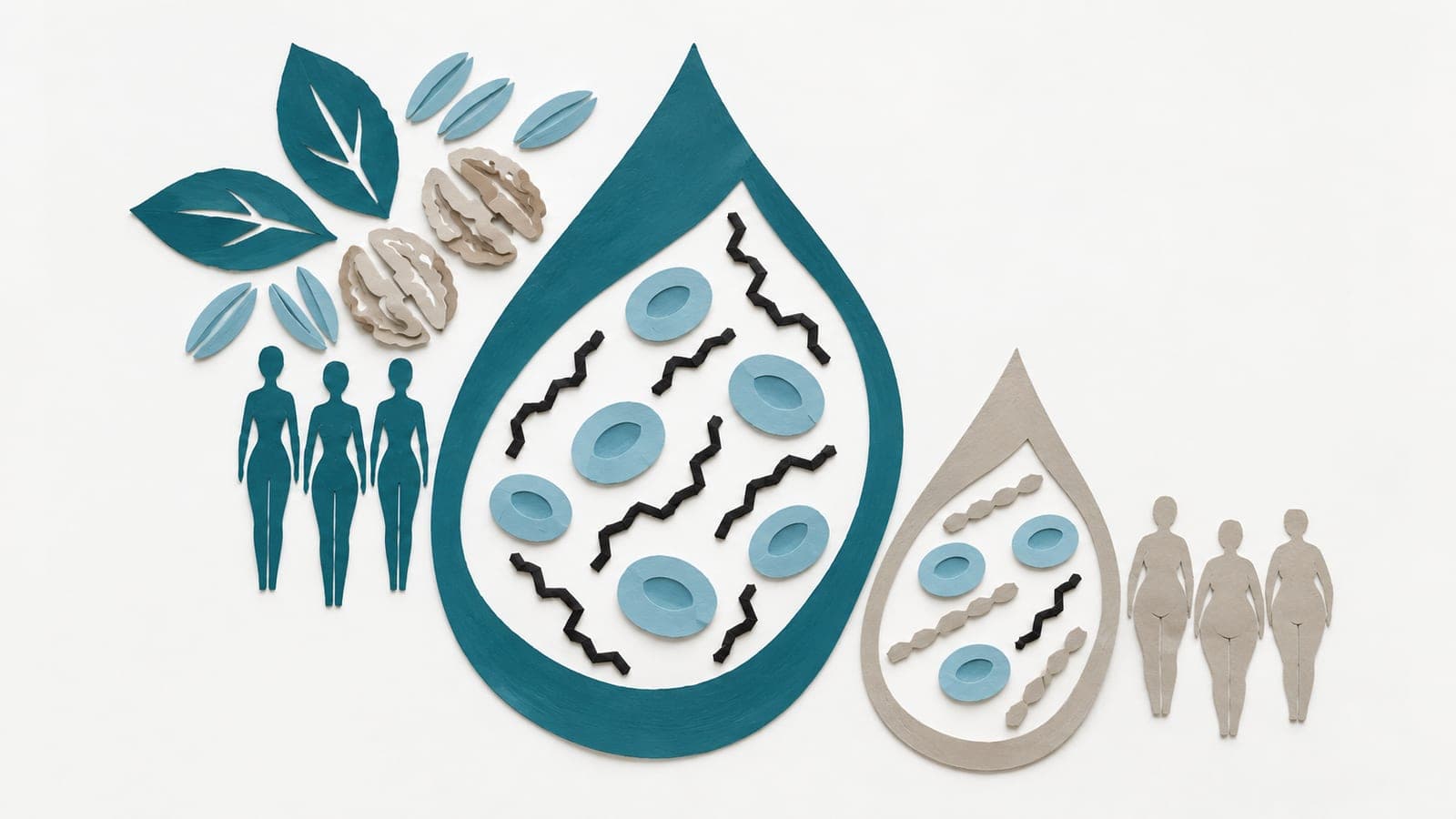
An observational study of 182 people aged 90–100 and 306 adults aged 25–60 found weaker links between body-size measures and blood fats in the older group.

In 182 people aged 90–100 and 306 adults aged 25–60, researchers examined links between blood lipids, or fatty substances, and body-size measures. This observational study measured 195 lipid types across 14 groups and analysed men and women separately. The body measures were body mass index, which relates weight to height, and waist-to-height ratio.
Multiple lipid groups were associated with these measures in younger adults, but the links were substantially weaker in the older group. A model developed using younger adults’ lipid profiles did not accurately estimate the older group’s body-size measures. It systematically underestimated them at higher values. Conventional adult thresholds would have classified long-lived people with metabolically healthy lipid profiles as high-risk.
Why it matters
The study bears on whether body-size thresholds used in younger adults are appropriate for assessing metabolic health in extreme old age.
Caveats
This observational study cannot establish cause and effect. It did not establish whether conventional body-size thresholds predict disease or survival in people aged 90–100.