Targeting NSUN2-Mediated m⁵C Modification Attenuates Chondrocyte Senescence and NLRP3 Activation in Osteoarthritis
Abstract
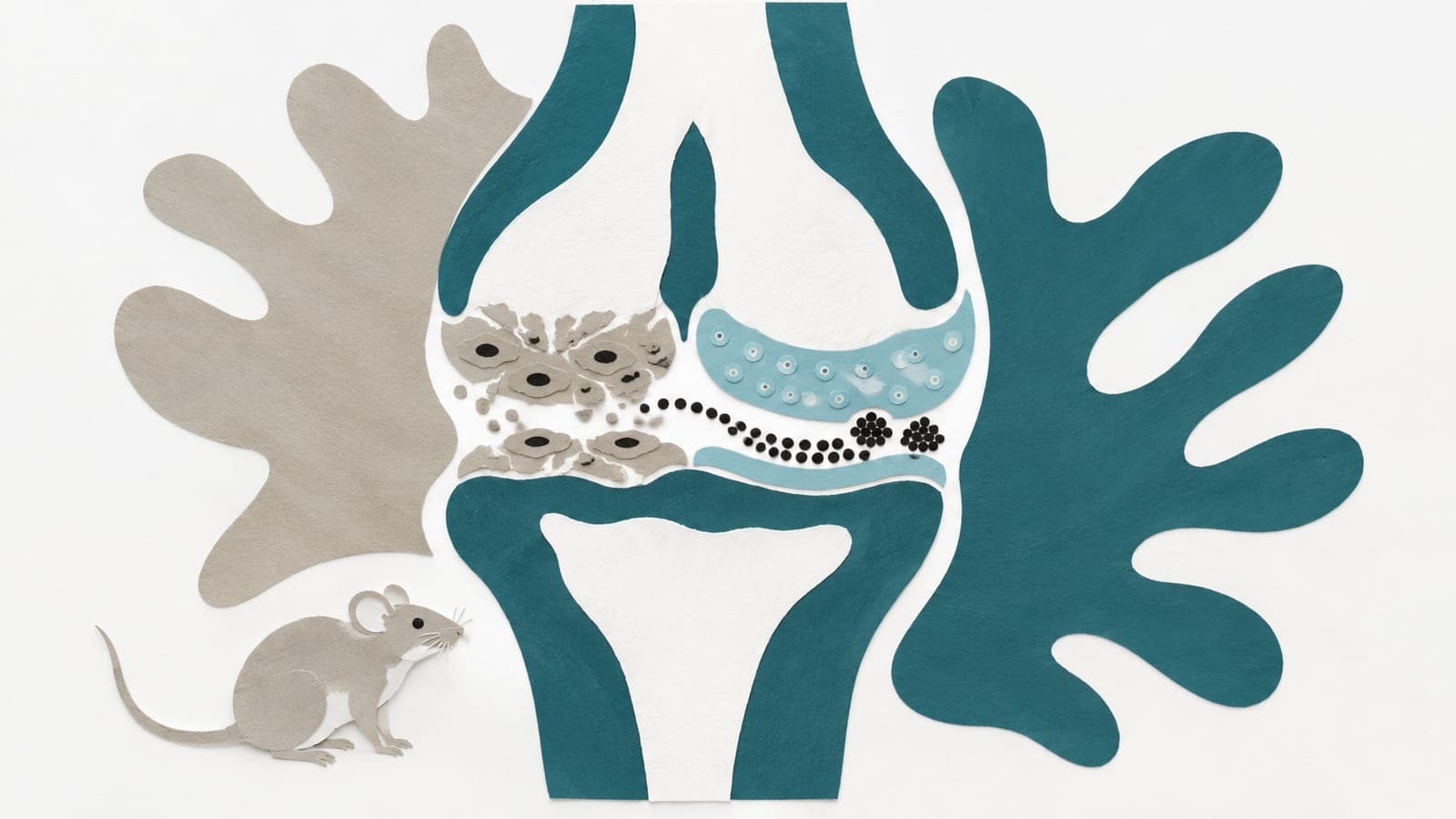
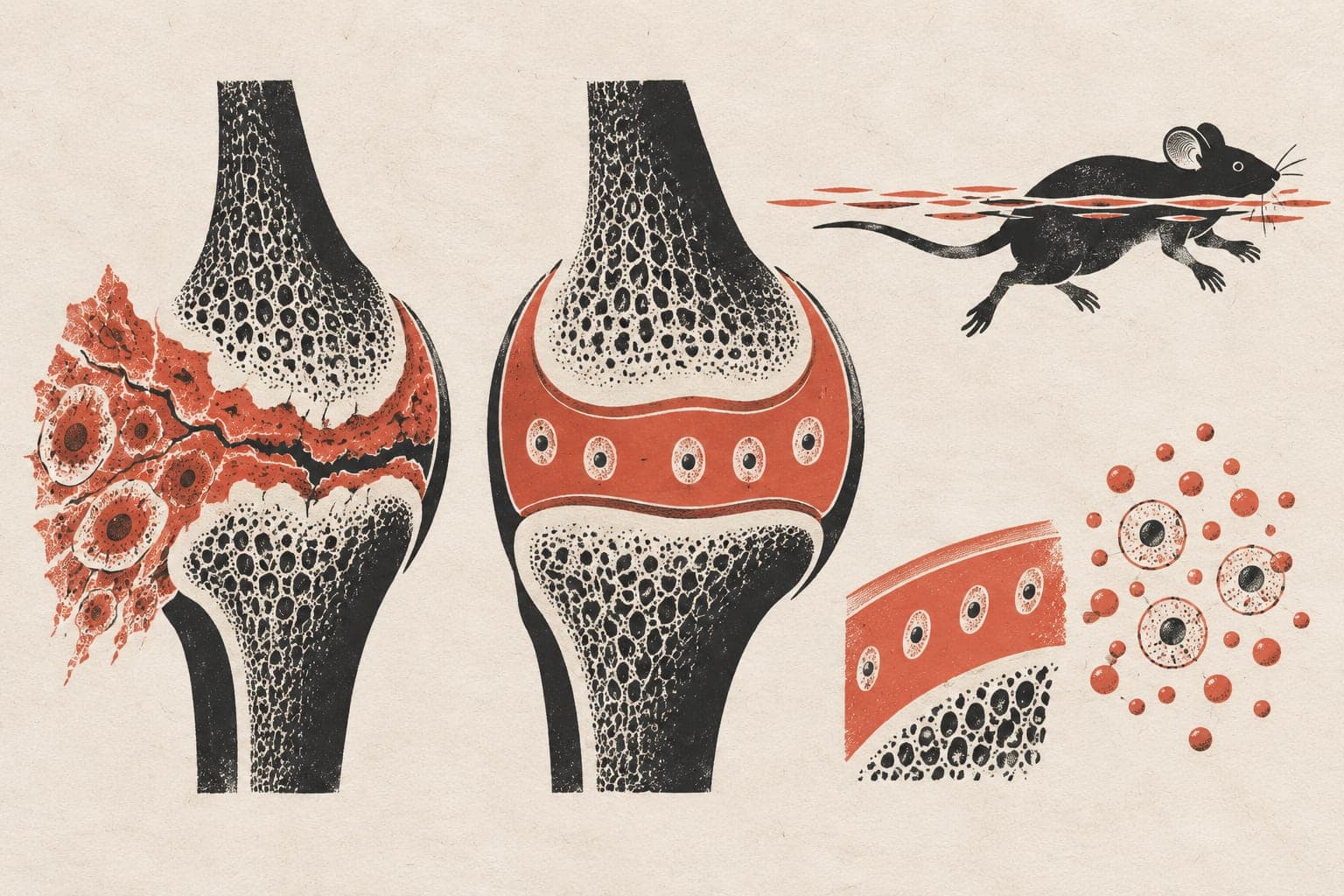
Osteoarthritis (OA) is a prevalent age-related disease associated with significant pain and disability. Although 5-methylcytosine (m⁵C) modification is implicated in age-related diseases, its role in OA remains unclear. Here, the regulatory effects and mechanisms of the m⁵C-related proteins NSUN2 and ALYREF on chondrocyte senescence and inflammation during OA progression were investigated. NSUN2 expression and m⁵C modification were upregulated in articular chondrocytes from damaged cartilage of surgically induced OA and naturally aged mice, as well as in primary human chondrocyte aging models. NSUN2 was found to promote chondrocyte senescence and NLRP3 inflammasome activation. Messenger RNA (mRNA) m⁵C enrichment, RIP sequencing, and transcriptomic sequencing elucidated the mechanism by which NSUN2 regulates inflammation and aging. IP3R3 was identified as a target gene of NSUN2. Rescue experiments showed that NSUN2 induced Ca²⁺ overload, which was mitigated by 2-aminoethoxydiphenyl borate (2-APB) or BAPTA/AM. NSUN2 knockdown or IP3R3 inhibition protected mouse articular cartilage from senescence and NLRP3 inflammasome activation, alleviating OA progression. Mechanistically, NSUN2 cooperated with the m⁵C reader ALYREF to stabilize and promote cytoplasmic export of IP3R3 mRNA, increasing IP3R3 expression. Thus, NSUN2 inhibition reduces chondrocyte senescence and cartilage damage via the IP3R3-Ca²⁺ axis, may represent a potential therapeutic target for further investigation.
The paper
Sun Yat-sen University
Advanced Science, 6 Jul 2026, Open access