Nitrate and resveratrol supplementation selectively enhances hepatic adaptations to aerobic exercise in high-fat fed male mice
6 weeks
Abstract
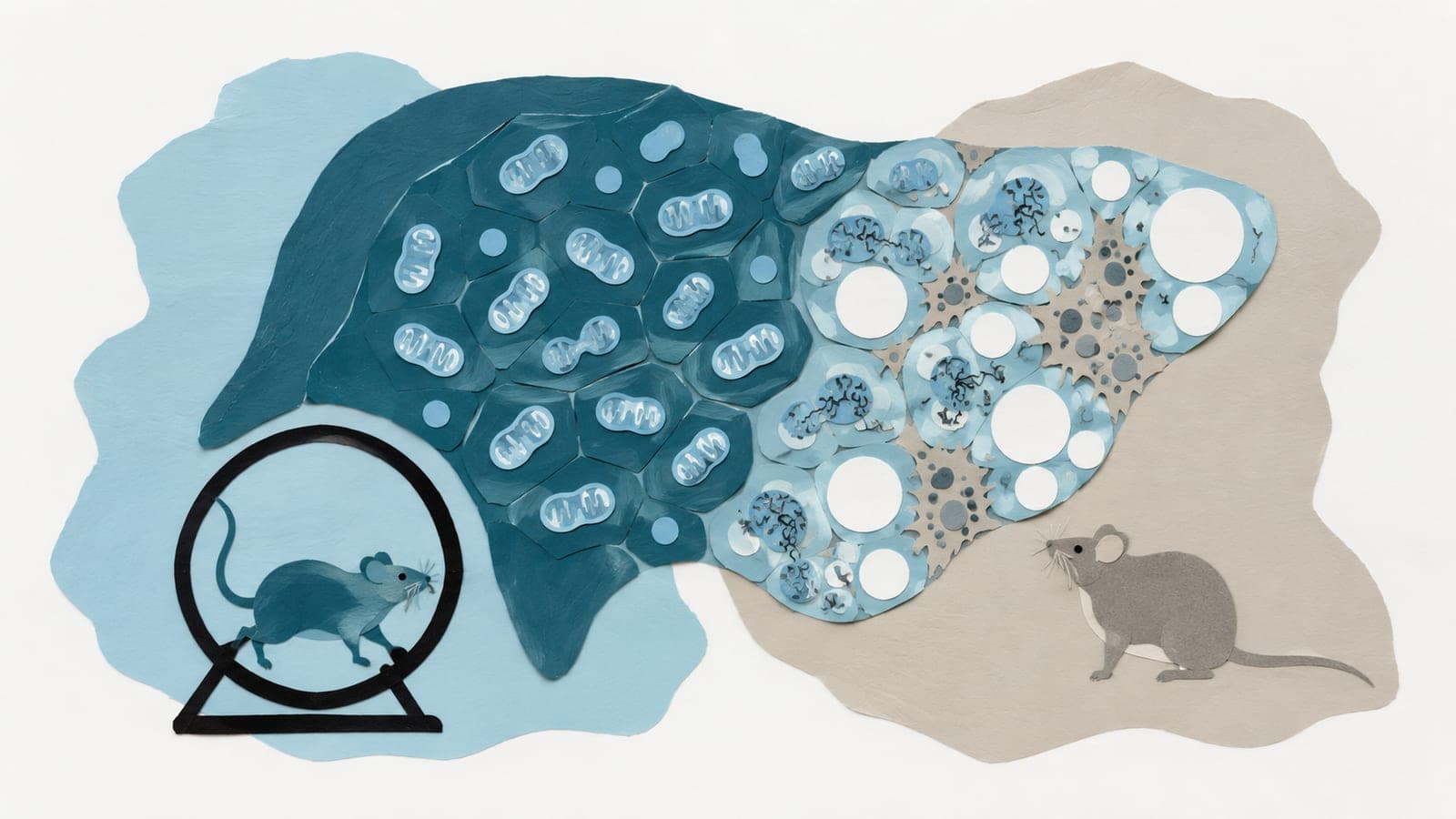
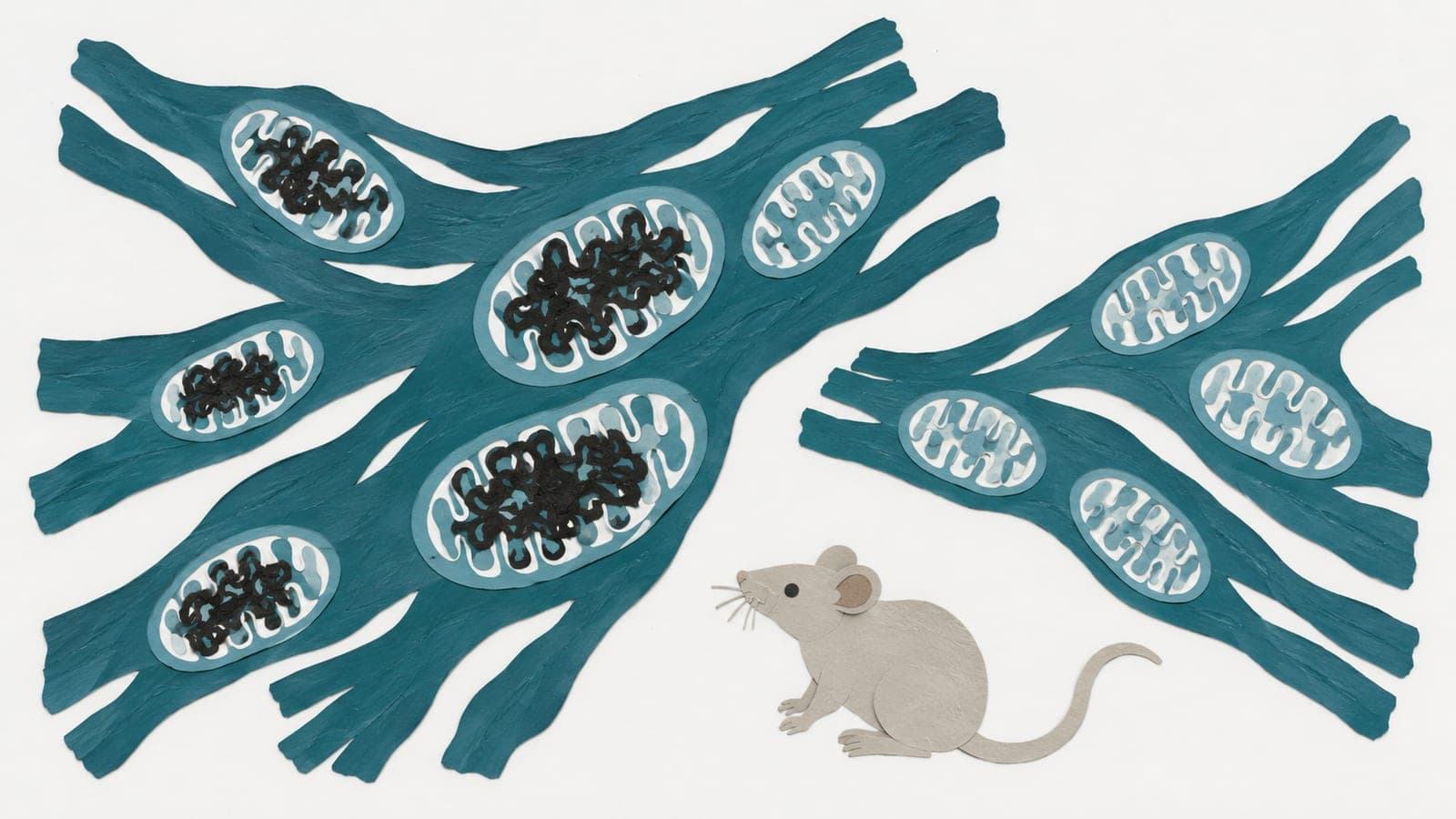
Aerobic exercise training (AET) and numerous dietary interventions, including nitrate and resveratrol supplementation, display overlapping mechanisms affecting mitochondrial bioenergetics and metabolism in diverse tissues. However, it remains unclear if a combination of these interventions results in additive benefits for the prevention of obesity-related comorbidities. To investigate this, C57Bl/6N mice consumed a high-fat diet and remained sedentary (HFD) or performed AET for 6 wk in the absence (HFD + AET) or presence of nitrate + resveratrol supplementation (HFD + AET + NR). As expected, AET attenuated body weight gain, reduced adipocyte cross-sectional area and markers of cellular stress/inflammation within white adipose tissue, and increased mitochondrial respiratory capacity and decreased lipid content within skeletal muscle independent of supplementation. Although AET alone was sufficient to improve glucose tolerance, the addition of +NR provided modest liver-specific enhancements, including increased mitochondrial respiratory capacity, reduced reactive lipid accumulation, and a unique proteomic signature associated with altered amino acid metabolism, corresponding to further reductions in systemic fasting blood glucose levels. These data suggest that although AET remains a primary lifestyle intervention to drive metabolic improvements during high-fat feeding, targeted dietary supplementation may provide tissue-specific enhancements, particularly within the liver, that complement exercise adaptations.NEW & NOTEWORTHY Dietary supplementation may alter the adaptive response to aerobic exercise training (AET). We investigated whether combined dietary nitrate + resveratrol supplementation could complement adaptations to AET in a high-lipid environment. AET attenuates various metabolic impairments associated with high-fat feeding, whereas nitrate + resveratrol supplementation provides modest, liver-specific enhancements. Although AET serves as the primary therapeutic intervention for high-fat diet-induced cardiometabolic disease, targeted dietary supplementation may provide complementary tissue-specific benefits.
- Aerobic exercise
- Nicotinamide riboside
- Amino acid metabolism
- Inflammation
- Adipocyte cross-sectional area
- Mice
The paper
University of Guelph
American Journal of Physiology Endocrinology and Metabolism, Jul 1, 2026, Open access