G1 regulation of BKCa channel leads to decreased migration of senescent pericytes and improved age-related hearing loss
Abstract
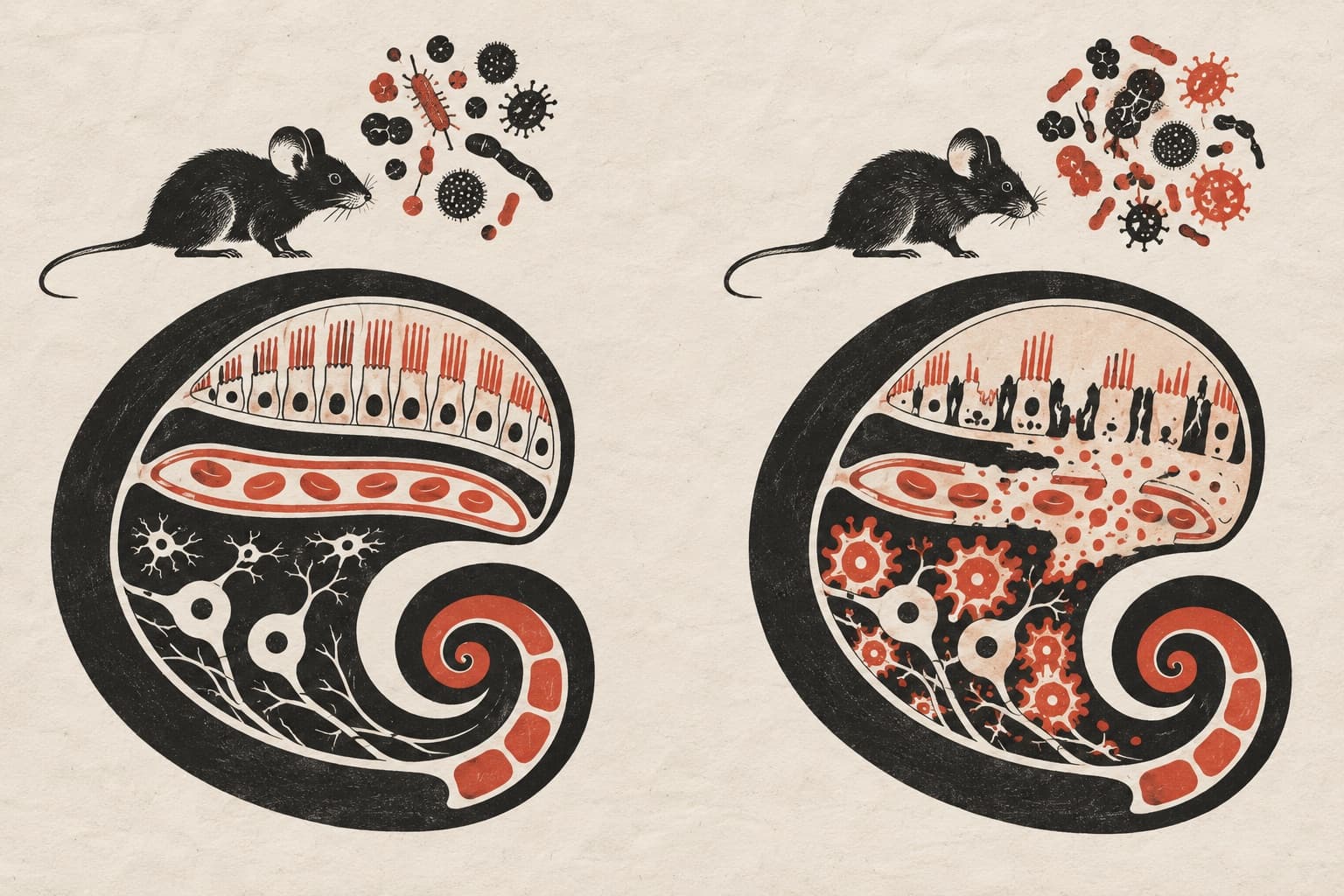
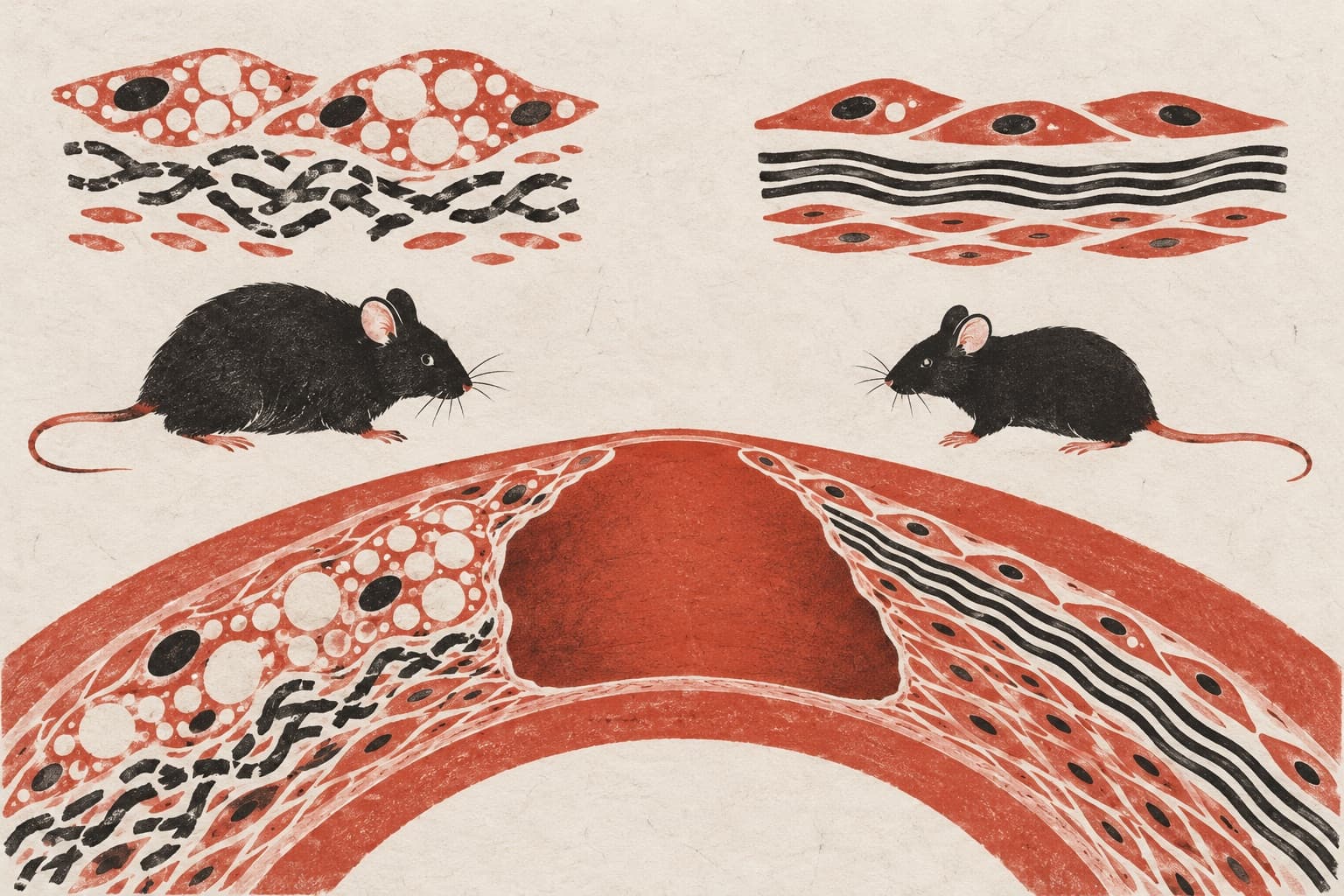
The pathogenesis of age-related hearing loss (ARHL) remains incompletely understood. The blood labyrinth barrier (BLB) play a crucial role in maintaining cochlear homeostasis, yet in the stria vascularis (SV) of aged C57BL/6J mice, pericytes (PCs) undergo migration, potentially increasing BLB permeability and contributing to vascular leakage, which may exacerbate ARHL. The underlying molecular mechanisms, however, remain elusive. Studies have suggested gender disparities in auditory function linked to estrogen levels, with G1, an activator of the estrogen membrane receptor GPER, capable of activating large-conductance calcium-activated potassium channels (BKCa). Our previous research has indicated a decline in BKCa channel expression on pericytes with aging. Our study aimed to investigate whether G1 protects against ARHL by modulating BKCa channels in aged cochlear pericytes, thereby influencing pericyte migration. In vivo experiments revealed reduced BKCa channel expression in cochlear SV pericytes of aged mice, which was upregulated following G1 administration, accompanied by improved hearing and decreased BLB permeability. In vitro, G1 increased BKCa channel expression in pericytes and diminished their migratory capacity. Further investigation uncovered a close association between aged pericyte migration and both the BKCa channel and the MEK/ERK signaling pathway. These findings provide experimental evidence to elucidate he impact of estrogen on auditory function and offer novel targets and strategies for preventing and treating ARHL.
The paper
Shihezi University; Jiaxing University
Molecular and Cellular Endocrinology, 30 Jun 2026