Stress granules may limit death markers in lab-grown ear cells
Experiments in an aging model of inner-ear cells suggested that stress granules helped restrain markers of inflammatory cell death.
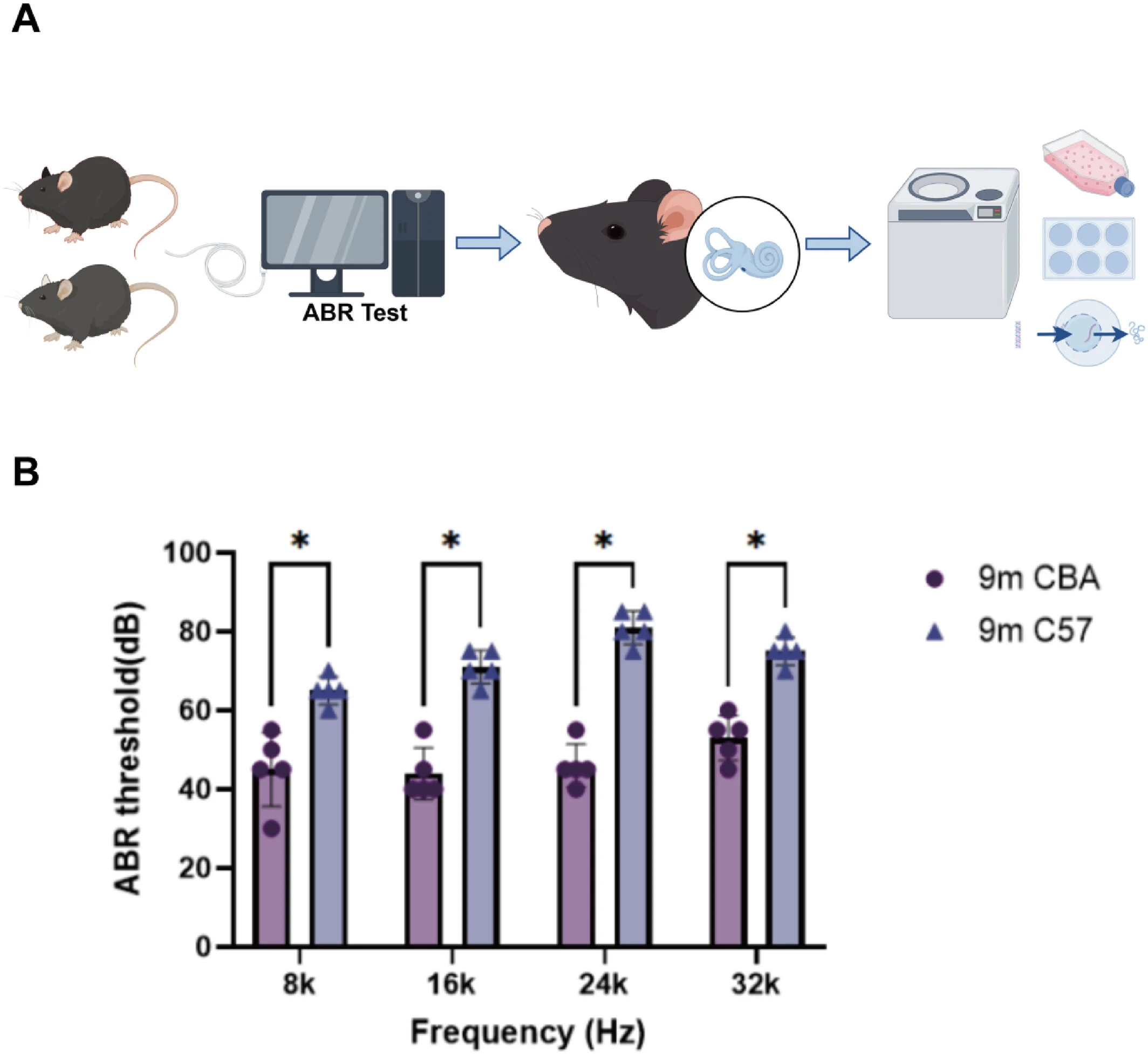
In experiments with House Ear Institute–Organ of Corti 1 cells grown in the lab, researchers studied stress granules in an aging cell model. Stress granules are temporary clusters of RNA and proteins that form under stress. The model showed increased stress-granule formation alongside higher levels of proteins linked to pyroptosis, an inflammatory form of cell death.
The researchers reduced or increased G3BP1, a protein involved in stress-granule formation. These experiments suggested a protective role for stress granules in restraining pyroptosis. Separately, the team analysed gene activity in inner-ear tissue from C57BL/6J mice, which are susceptible to age-related hearing loss, and relatively resistant CBA/CaJ mice. Mice with age-related hearing loss showed increased activity of genes linked to stress granules.
Why it matters
Age-related hearing loss involves degeneration of the auditory system. The researchers suggested that the link between stress granules and inflammatory cell death may offer a target for regulating death in inner-ear sensory cells.
Caveats
The functional evidence came from an aging cell model grown in the lab. Changes in proteins linked to cell death do not establish that hearing was protected.
The paper
Peking Union Medical College Hospital
Journal of Cellular and Molecular Medicine, 1 Oct 2026