Harnessing Neuronal Autophagy: Bridging Mechanistic Breakthroughs to Therapeutic Interventions
Abstract
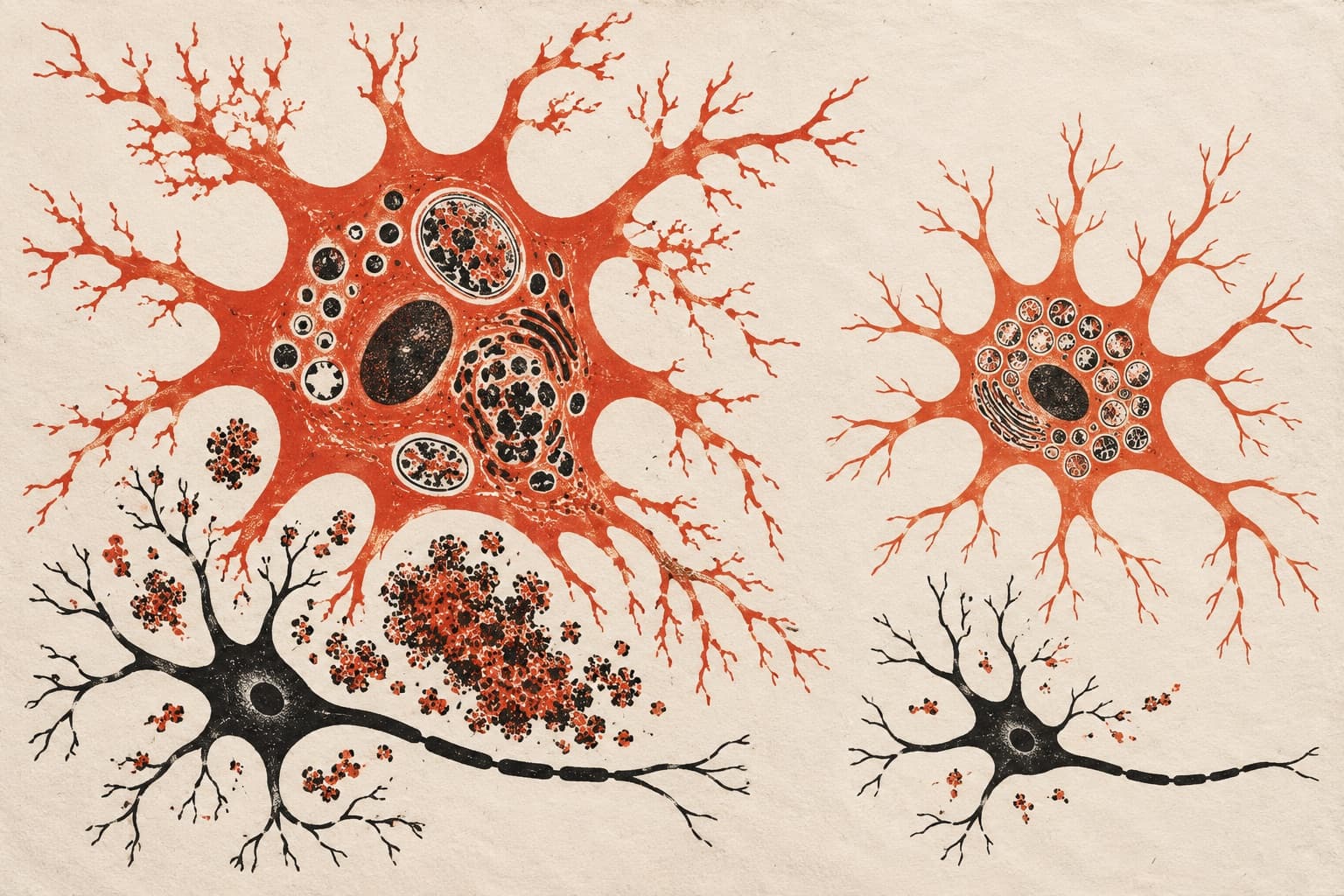
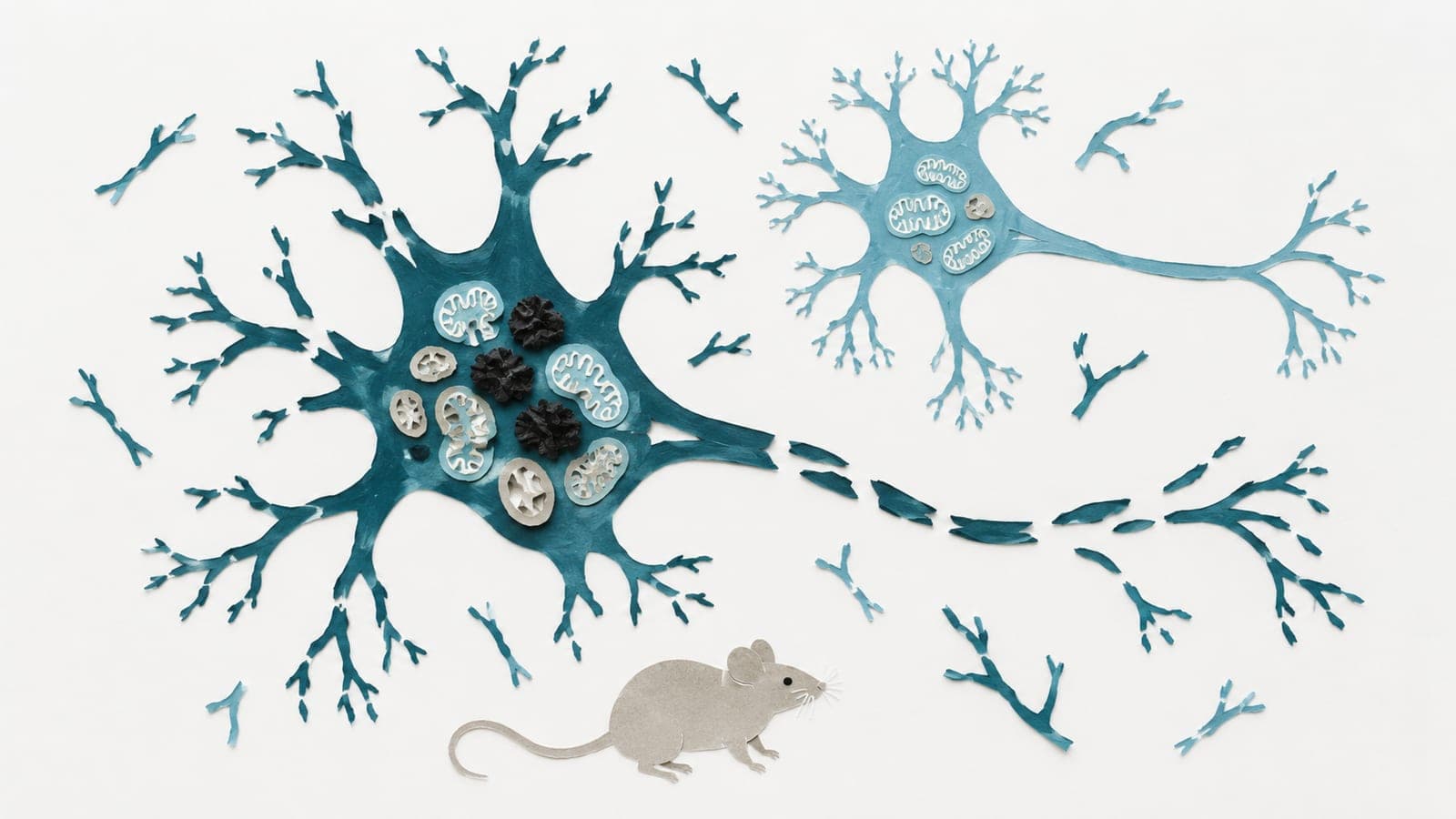
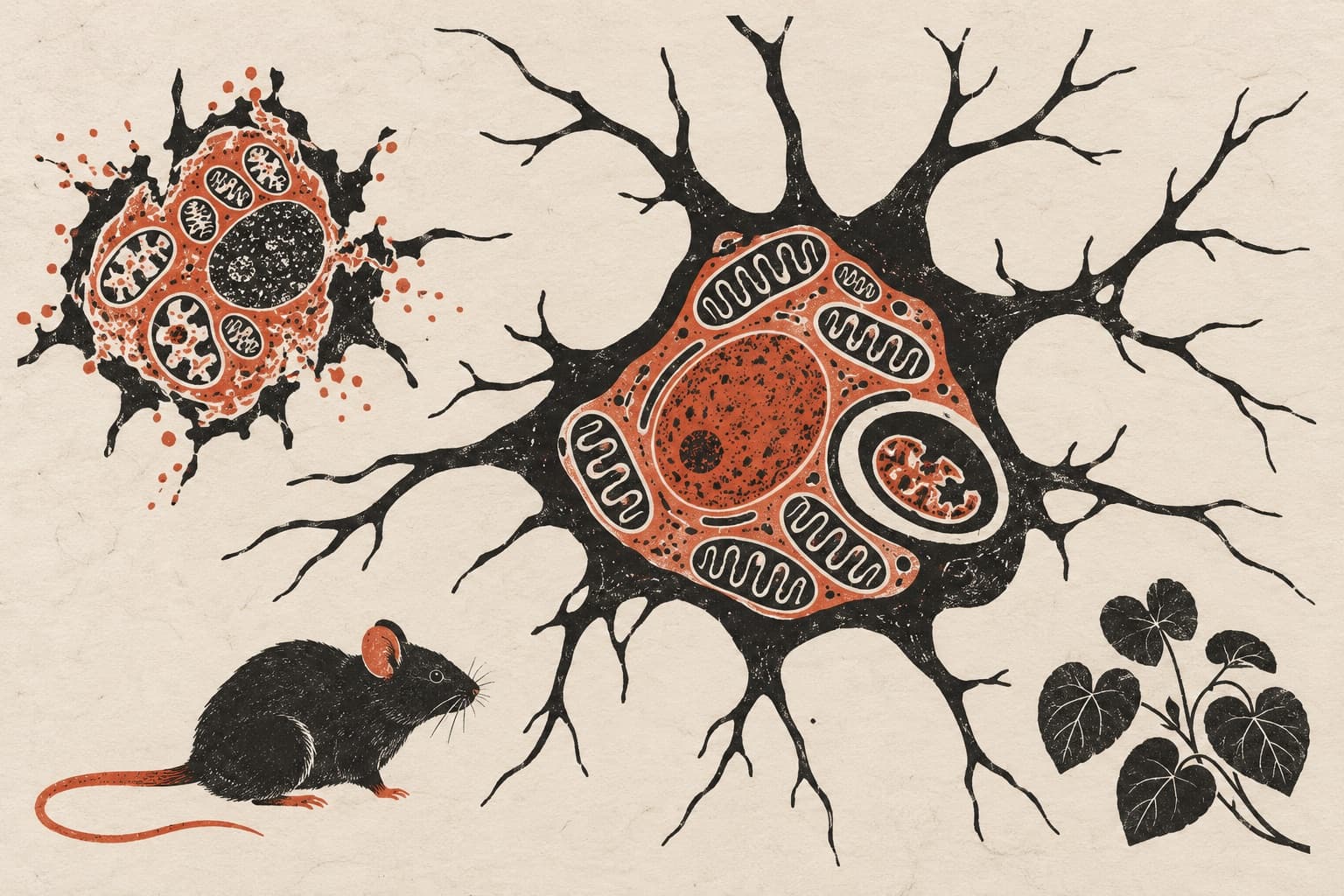
Autophagy, an essential cellular process that degrades and recycles misfolded proteins, damaged organelles, and intracellular pathogens, is vital for neurons due to their limited capacity for apoptosis. Dysregulation of autophagy and lysosomal pathways is closely linked to the onset and progression of major neurodegenerative diseases (NDDs), including Alzheimer's disease, Parkinson's disease, Huntington's disease, and multiple sclerosis. In this manuscript, we offer a thorough examination of the molecular mechanisms that regulate autophagy, emphasizing both bulk and selective autophagy pathways and their roles in maintaining neuronal homeostasis. Genetic mutations in autophagy-related genes and endolysosomal genes are identified as significant risk factors, and the pathological roles of protein aggregation and mitochondrial dysfunction are also discussed. The therapeutic restoration of autophagic function represents a promising strategy for alleviating neurodegeneration. This manuscript examines potential interventions, including small molecules, gene therapy, and natural compounds, that enhance autophagic flux and facilitate protein clearance. Furthermore, the translational potential was underscored by including ongoing clinical trials that target autophagy pathways. This review artcile emphasizes the essential role of autophagy in neuronal health and disease, providing a framework for utilizing autophagic mechanisms to develop targeted therapeutic strategies for NDDs.
The paper
Center for Cellular and Molecular Platforms (C-CAMP); Gulf Medical University
Aging and Disease, May 19, 2026, Open access