Harnessing Microglial Repopulation: From Inflammatory Drivers to Therapeutic Allies in CNS Diseases
Abstract
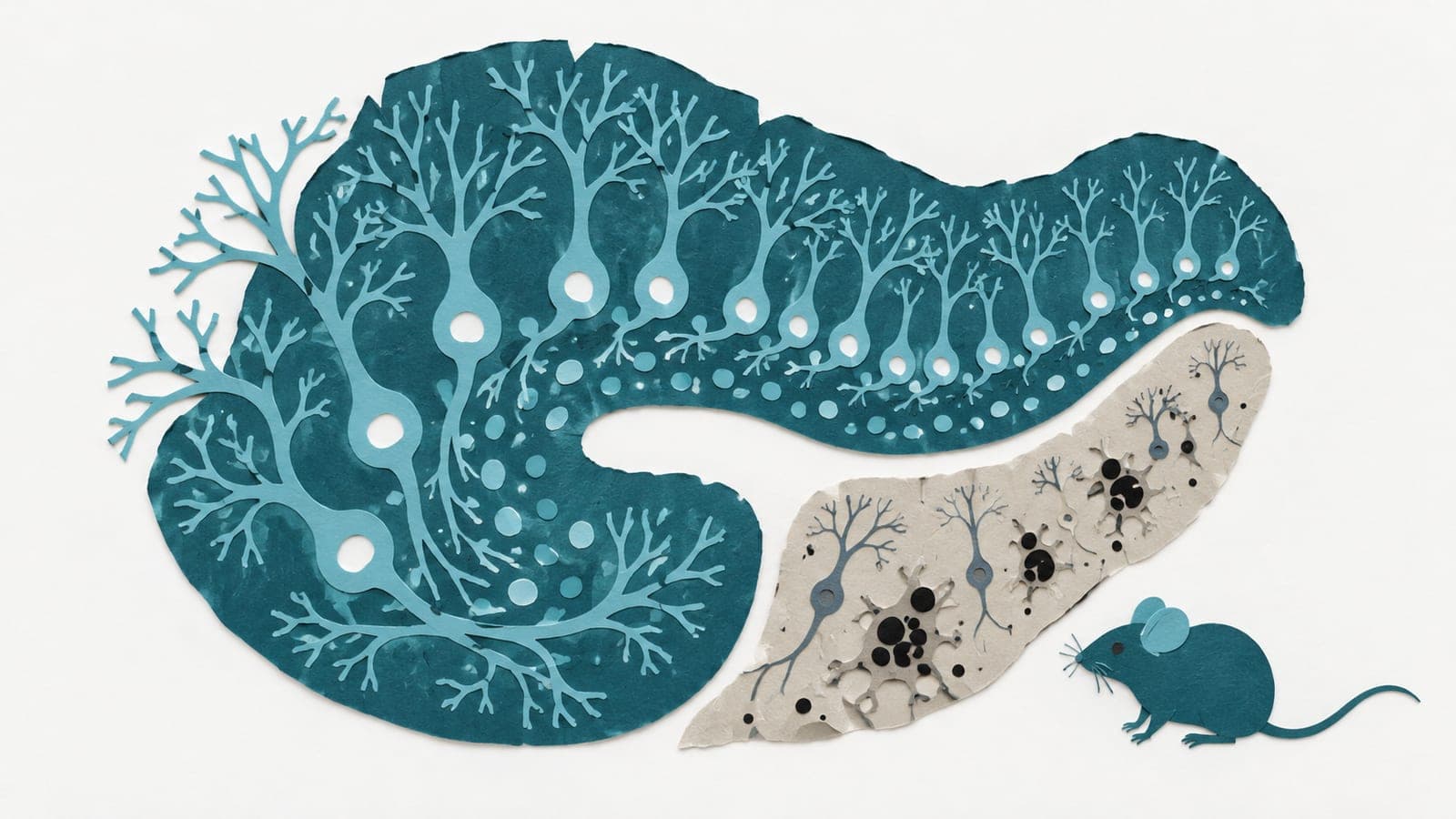
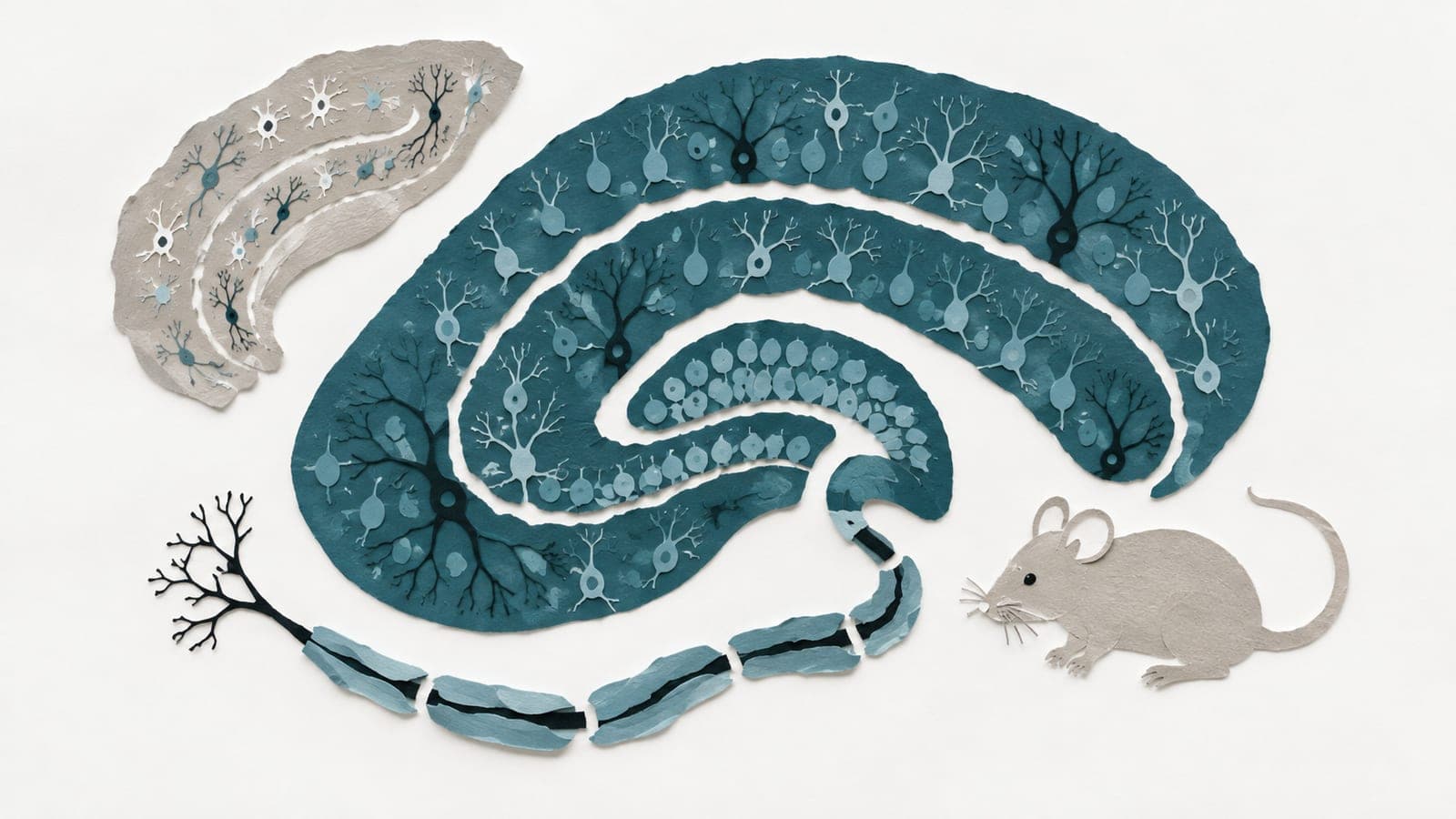
Microglia, the tissue-resident macrophages of the central nervous system (CNS), execute essential functions in neural development, homeostasis, and repair. However, their persistent or dysregulated activation is a hallmark of diverse neurological disorders, where they transition from protective sentinels to drivers of chronic neuroinflammation and tissue damage. This duality has spurred the development of therapeutic strategies aimed not merely at suppressing microglial activity, but at fundamentally resetting the CNS immune landscape. Here, we review the paradigm of transient microglial depletion followed by endogenous repopulation, a strategy that effectively replaces a dysfunctional or pathologically primed microglial compartment with a rejuvenated cohort. Emerging evidence demonstrates that repopulated microglia exhibit a distinct phenotype-characterized by attenuated inflammatory profiles, upregulated homeostatic and neurotrophic gene expression, and enhanced phagocytic capacity-thereby conferring neuroprotection and promoting functional recovery across preclinical models of acute injury, neurodegeneration, and demyelinating disease. We critically evaluate the pharmacological and genetic tools used to achieve depletion, synthesize the context-dependent outcomes across disease spectra, and discuss the mechanistic basis for the superior therapeutic profile of the repopulation phase. Finally, we address the key translational challenges-including therapeutic windows, age- and sex-dependent effects, and the gap between rodent models and human biology-that must be overcome to transform this innovative strategy from a powerful experimental tool into a viable clinical modality for reprogramming CNS immunity.