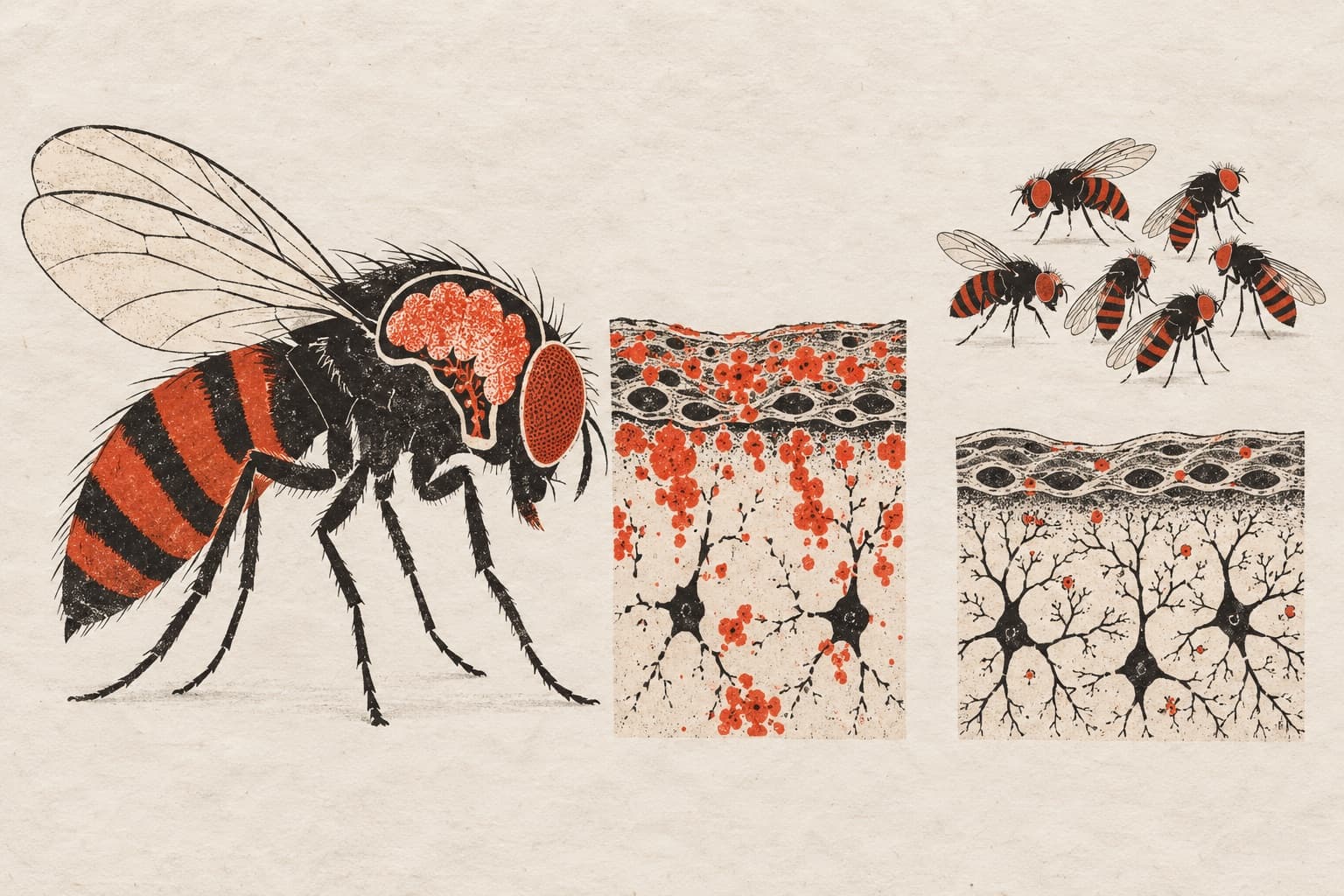
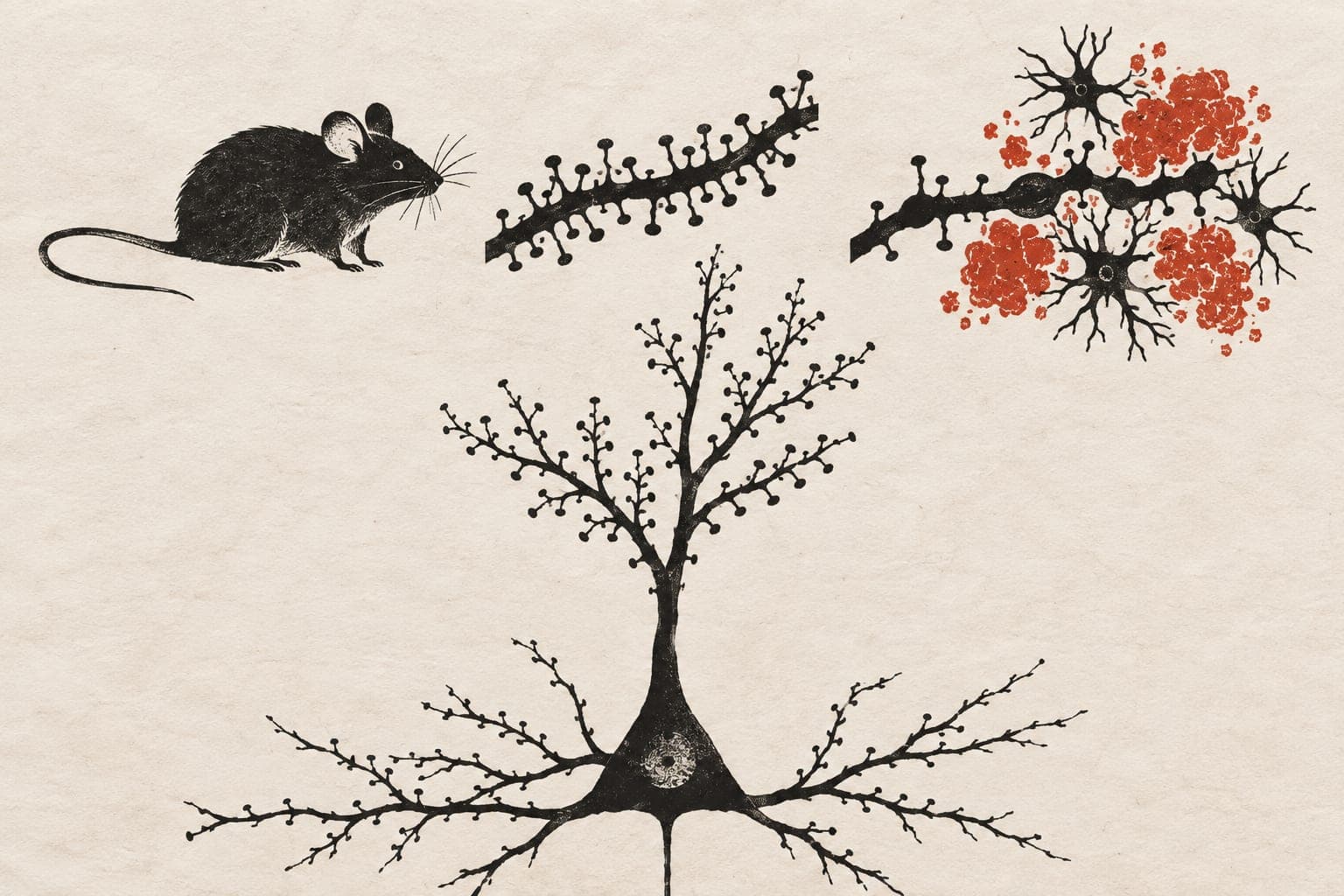
Caspase-4 transgenic mice exhibit cytoplasmic TDP-43 accumulation and age-dependent neuropathology
Abstract
TAR DNA-binding protein (TDP-43) is a multifunctional protein that binds DNA and RNA within the nucleus. In neurodegenerative diseases like Amyotrophic Lateral Sclerosis (ALS), TDP-43 is mislocalized to the cytoplasm, forming inclusions. Current TDP-43 transgenic mouse models generally fail to exhibit significant cytoplasmic accumulation and loss of nuclear TDP-43, which hampers the investigation of cytoplasmic TDP-43 pathology. We previously discovered that primate-specific caspase-4 (CASP4) can cleave TDP-43, producing truncated fragments that are mislocalized to the cytoplasm. Here we show that a transgenic mouse model that expresses human CASP4 and recapitulates the cytoplasmic mislocalization of endogenous TDP-43 and motor dysfunction in an age-dependent manner. Moreover, CASP4 mice exhibited gene expression changes and neuropathology similar to patients with sporadic ALS. Inhibition of CASP4 by its antisense oligonucleotide ameliorated TDP-43 pathology and subsequent neurotoxicity in CASP4 mice. Thus, CASP4 mice present a valuable animal model for exploring endogenous TDP-43-mediated pathogenesis and therapeutics.
- CASP4 antisense oligonucleotide
- CASP4
- Cytoplasmic TDP-43 accumulation
- Amyotrophic lateral sclerosis
- TARDBP
- Mice
The paper
Jinan University
Nature Communications, 27 May 2026, Open access