Anti-senescence Effects of Nanovesicles Derived from Cluster of Differentiation-146-Positive Tonsil Mesenchymal Stem Cells via Modulation of the Tumor Protein 53 Pathway
Abstract
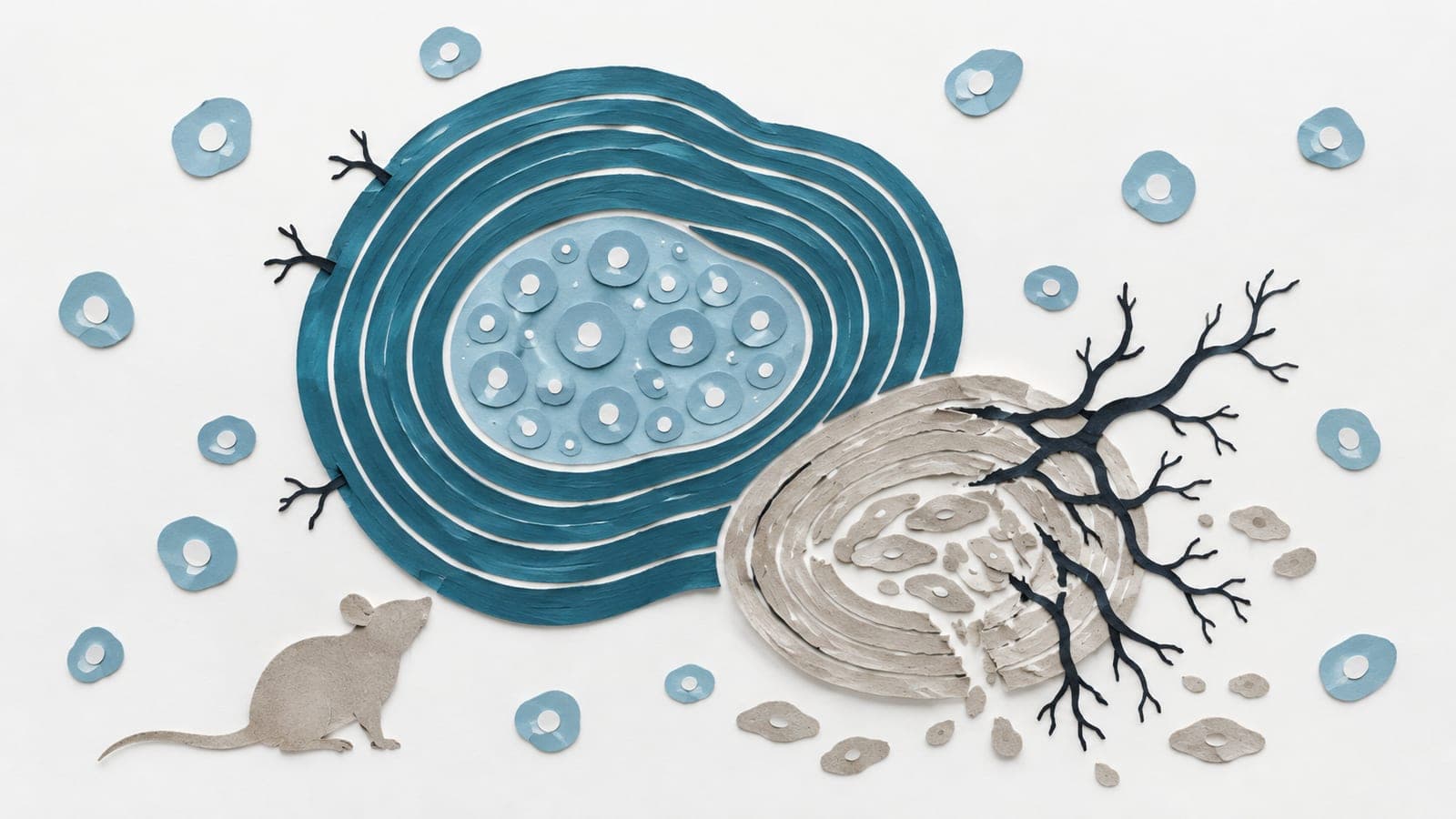
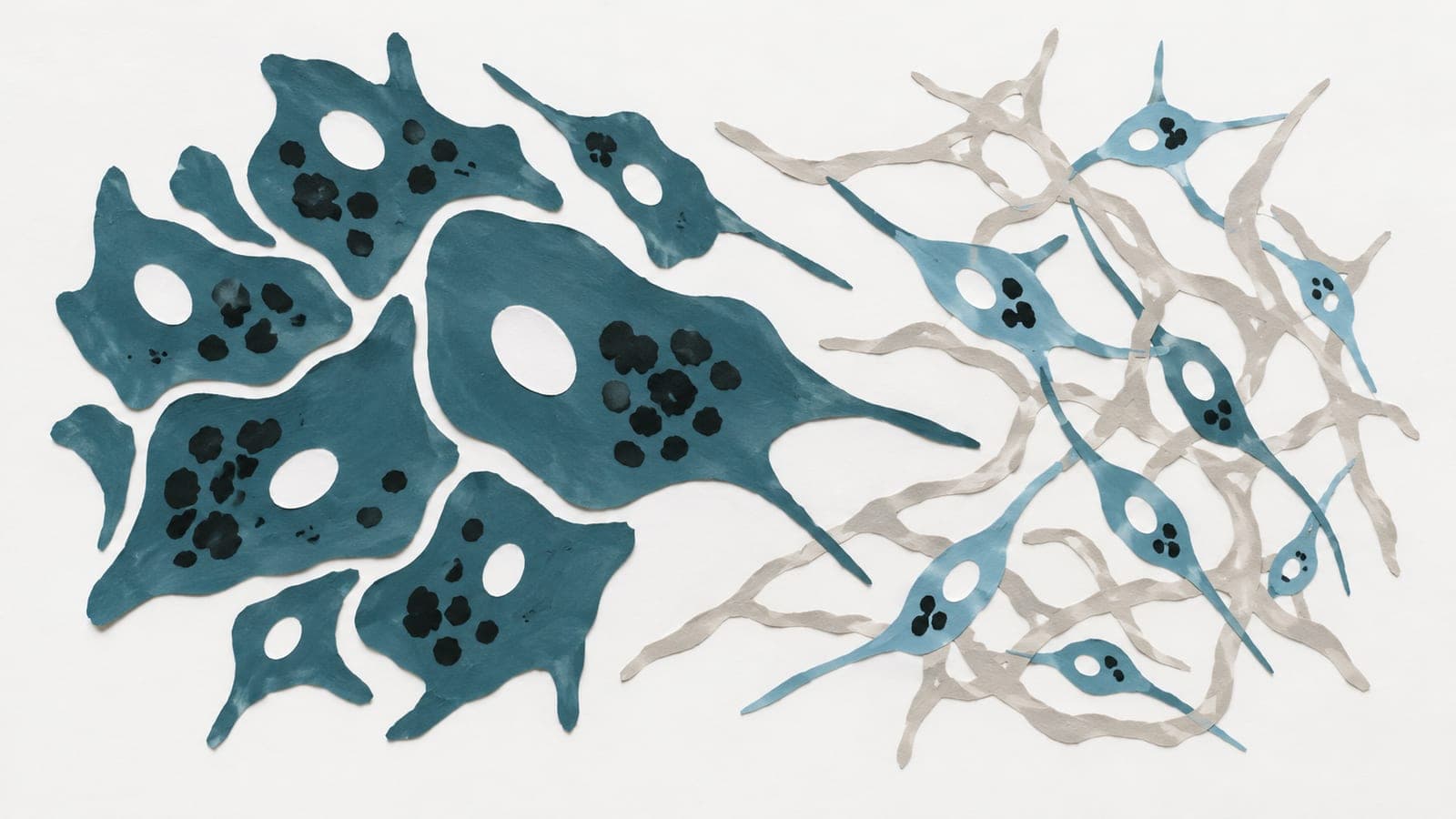
Aging greatly contributes to the progressive dysfunction of tissues and organs that accompany the aging process. Recently, nanovesicles derived from tonsil mesenchymal stem cells (TMSC-NVs) were investigated for their potential to reverse cellular senescence. However, the molecular mechanisms through which TMSC-NVs prevent senescence remain unclear. In the present study, we focused on Cluster of Differentiation 146 (CD146), a surface marker used to identify specific MSC subgroups and examined the anti-senescence effects of CD146-positive TMSC-NVs (CD146⁺ TMSC-NVs). To evaluate the antisenescence effects of the CD146⁺ TMSC-NVs, passage-associated cellular senescence in vitro human dermal fibroblast model, ultraviolet-B-induced photoaging ex vivo model, and intrinsic aging in vivo mice model were assessed. Microarray analysis, immunofluorescence staining, and miRNA profiling demonstrated the anti-senescence mechanism of CD146⁺ TMSC-NVs through modulation of the p53 pathway, thereby effectively suppressing cellular senescence and matrix metalloproteinase activity and improving extracellular matrix remodeling. These results indicate the anti-senescence effects of CD146⁺ TMSC-NVs for therapeutic approach.