Protein promotes testosterone production in rat cells
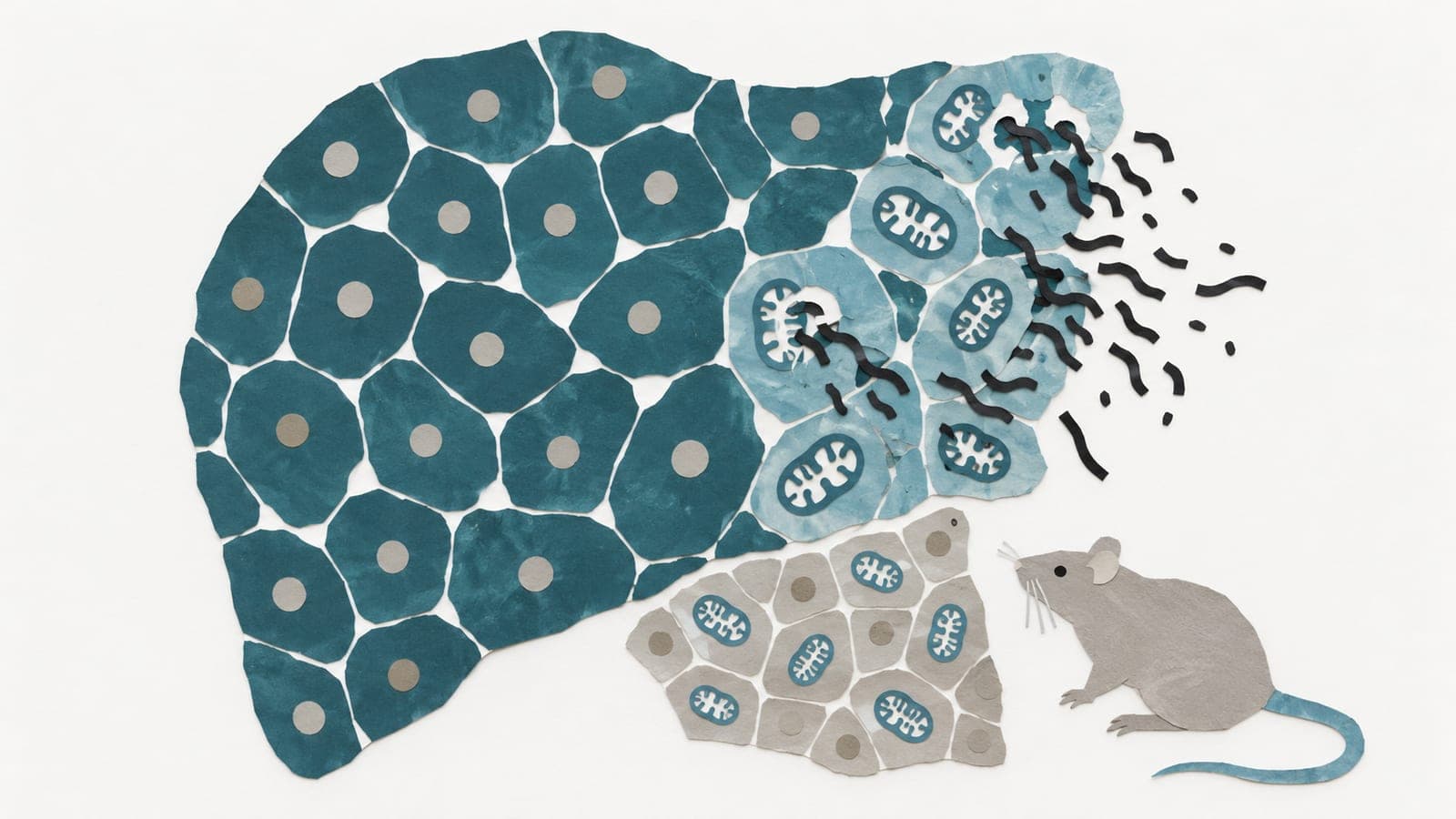
Increasing the protein’s production in rat cells grown in the lab restored testosterone output and reversed signs of senescence, a state in which cells stop dividing.
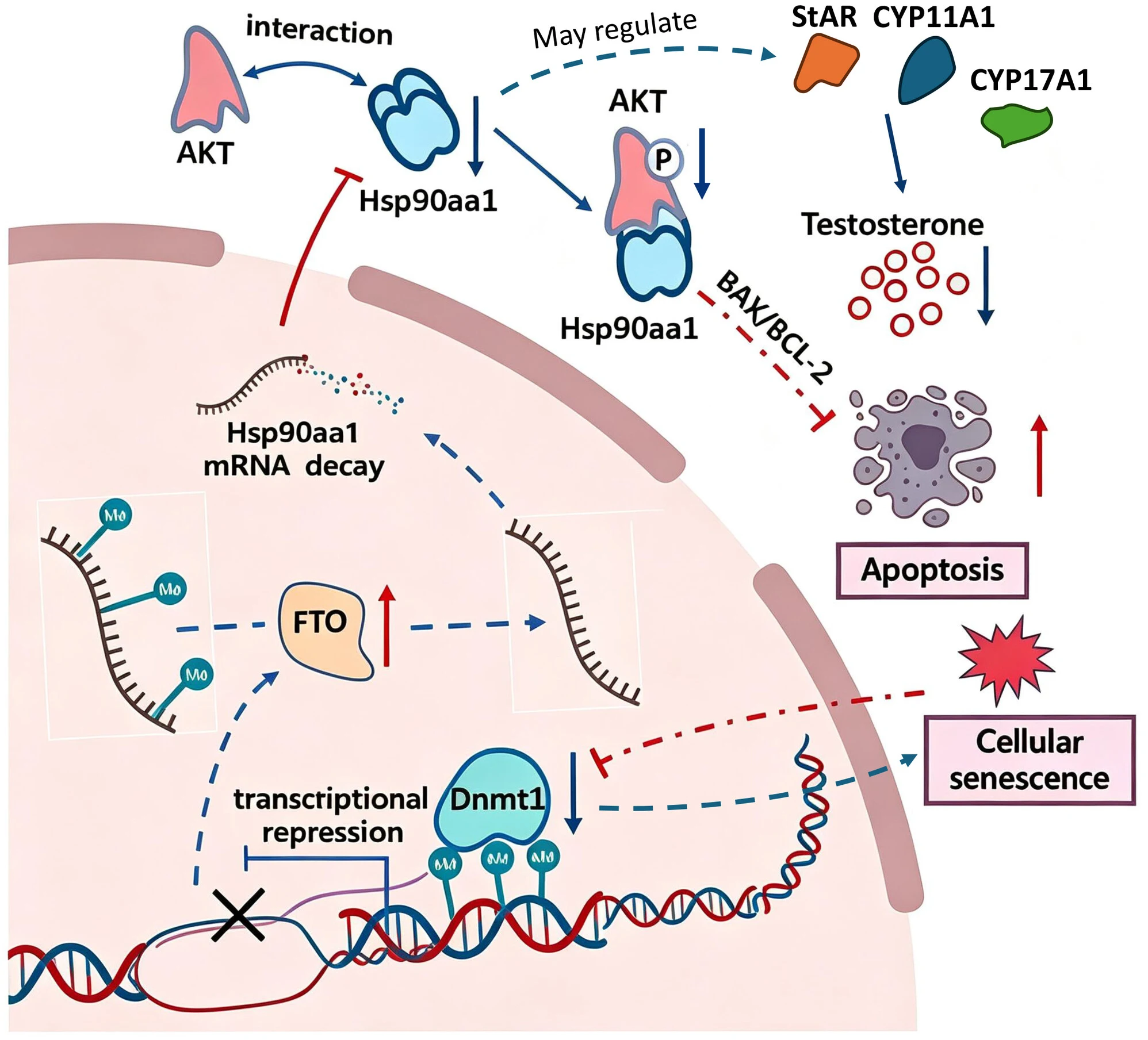
In experiments with rat testes and testosterone-producing Leydig cells grown in the lab, researchers examined DNMT1, a protein that adds chemical tags to DNA. DNMT1 levels were lower in aging testes and senescent cells, which have stopped dividing. Lower levels correlated with less testosterone.
Increasing DNMT1 production in lab-grown cells restored testosterone production and reversed their senescent features. Further experiments traced a pathway involving chemical tags on DNA and RNA, the molecule cells use to make proteins. Through this pathway, DNMT1 regulated a protein involved in cell survival, limiting programmed cell death and promoting testosterone production. Reducing DNMT1 in rat testes supported these findings.
Why it matters
The study bears on how aging affects hormone-producing cells. The authors described the pathway as a potential target for reproductive system aging.
Caveats
Experiments in rats and lab-grown cells cannot show whether targeting this pathway would be safe or effective in people. The abstract did not report sample sizes.